Skip to content
The American Minervan
Search
About
Religion Approach
Contact
Log in
Archives
Select Month
April 2026
March 2026
February 2026
January 2026
December 2025
November 2025
October 2025
September 2025
August 2025
July 2025
June 2025
May 2025
April 2025
March 2025
February 2025
January 2025
December 2024
November 2024
August 2024
May 2024
March 2024
December 2023
November 2023
October 2023
November 2022
August 2022
June 2022
February 2022
August 2021
July 2021
June 2021
May 2021
April 2021
March 2021
January 2021
December 2020
October 2020
September 2020
August 2020
July 2020
June 2020
April 2020
February 2020
January 2020
December 2019
November 2019
October 2019
September 2019
August 2019
July 2019
May 2019
April 2019
March 2019
February 2019
January 2019
December 2018
November 2018
October 2018
September 2018
August 2018
July 2018
June 2018
May 2018
April 2018
March 2018
February 2018
January 2018
December 2017
November 2017
October 2017
September 2017
August 2017
July 2017
June 2017
May 2017
April 2017
March 2017
February 2017
January 2017
December 2016
November 2016
October 2016
September 2016
August 2016
July 2016
June 2016
May 2016
April 2016
March 2016
February 2016
January 2016
December 2015
October 2015
August 2015
June 2015
Tag:
zoroastrianism
POPULAR POSTS
Early Hellenic Philosophers on the Stellar-Fiery Origins of Intelligence
History of a Word: Greek Origin of "Theosophy"
Oswald Mosley’s Ideal of Fascism
Context of Christian Masonic influences on Blavatsky, and Eclectic Freemasonry in U.S. Origins
Pseudo-Theosophy and Pseudo-Messiahs: Imitations of Theosophy
Talbot Mundy’s “The Nine Unknown” Men of Ashoka, the Maurya Clan, and its Connection to Theosophy
Albert Pike Ponders on Lucifer in Morals and Dogma: Tells Us to Seek the Light of Knowledge
The Purpose of Study | SENTENTIAE ANTIQUAE
Political Operations in Cairo and Cyprus: Meeting Hilarion and Ooton Liatto
Columbia (American Minerva) and the Fasces in Harper's Weekly “Reconstruction” for Equal Rights (1868)
April 15, 2026
The Universal Hybrid Symbolic System of the Initiates: Ignored History
March 12, 2026
Rule of Secrecy, and the Formation of Federations of Adepts in the Nineteenth-Century and After: Kayvan, Theosophy and Ilme Kṣnum
February 19, 2026
Six Short Articles on God in Theosophy, Cultural Barriers in Modernity, Prayer and Theological Limits
February 12, 2026
Time’s Circle in Zurvanite Philosophy and Theosophy: Monism beyond Dualism
February 9, 2026
Ormazd and Ahriman in Mazdan Philosophy: Blavatsky on Human Conflict, Evil and Modernity
February 8, 2026
The Heretical School of Zurvanism and its connection to Theosophy
November 26, 2025
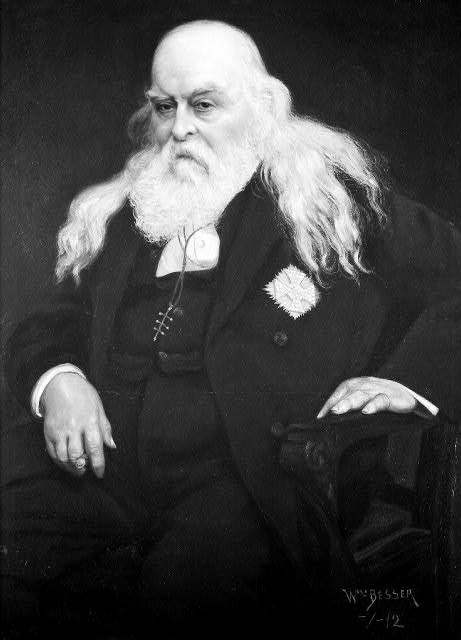
Albert Pike’s Life and Philosophical Legacy in American Esotericism
November 19, 2018
The Septenary Principles of Man: Zurvanite Zoroastrian and Theosophical Classification
November 19, 2018
The Four Modes of Birth in The Secret Doctrine and the Abhidharmakosa of Buddhism
September 4, 2018
The Nineteenth-Century Popularization of the Desatir | Theosophists, Ishraqis, and Zoroastrianism
July 23, 2016
Interpretations of Serpents and Dragons in Theosophy and Ancient Mythology
June 7, 2016
The Manifestation of Divine Light
Subscribe
Subscribed
The American Minervan
Join 99 other subscribers
Sign me up
Already have a WordPress.com account?
Log in now.
The American Minervan
Subscribe
Subscribed
Sign up
Log in
Report this content
View site in Reader
Manage subscriptions
Collapse this bar




 The American Minervan