Category: Classical Republicanism
-
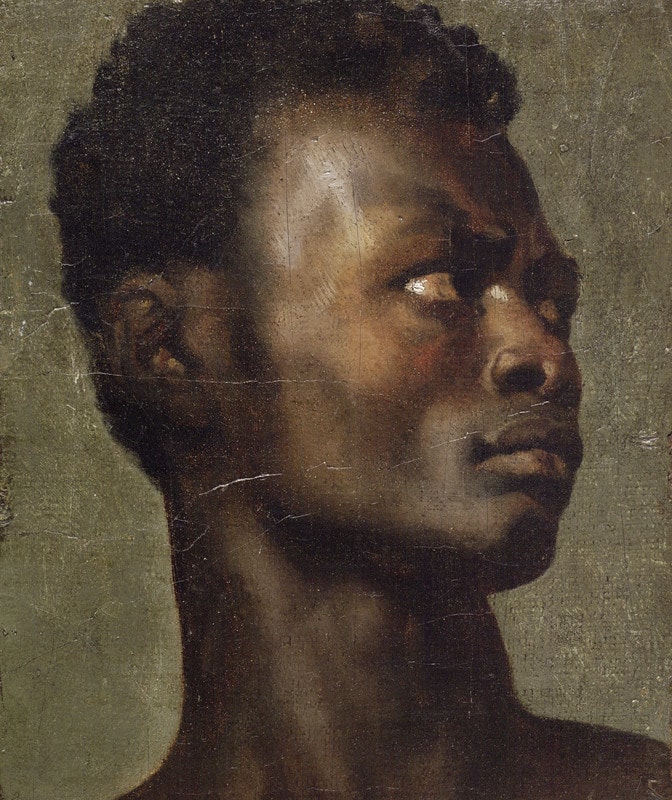
The Contributions of Black American Classicists against Racism
Beyond the well-known figures like Phillis Wheatley and Frederick Douglass mentioned in the Introduction to Five Early Figures, a generation of Black American classicists emerged in the late nineteenth and early twentieth centuries, often born into slavery or its immediate aftermath. These scholars mastered Greek and Latin to refute racial inferiority claims and assert our…
-

Classical Republicanism and Stoicism refutes Racial Hierarchies
Classical Republicanism, as articulated in ancient Greek and Roman political philosophy emphasizes the pursuit of the common good for the CIVITAS through civic virtue, balanced governance, and participation in public life, without grounding these ideals in biological or racial hierarchies as understood in modern terms. Far from being inherently racist, its foundational texts reveal a…
-
Simple Points on Republicanism and Liberal Democracy
It is very important to explain the historical and ideological context of the U.S. system. The U.S. system was not designed as a strict Roman versus English versus Athenian system. It is a mixed system. You may ask, what is really the difference here. Many people might still not understand. SIMPLE POINTS ON REPUBLICANISM TO…
-

How Lenin and Bolshevism displaced Civic Republicanism with Socialism in Black Radicalism
After 1917, the global meaning of “REVOLUTION” was successfully seized by Lenin, the Bolsheviks, and their descendants. CIVIC REPUBLICANISM did not disappear because it was defeated in open ideological combat. It was crowded out by a louder, better-funded, more institutionally disciplined international movement that claimed the entire moral and linguistic territory of “revolution,” “liberation,” and…
-
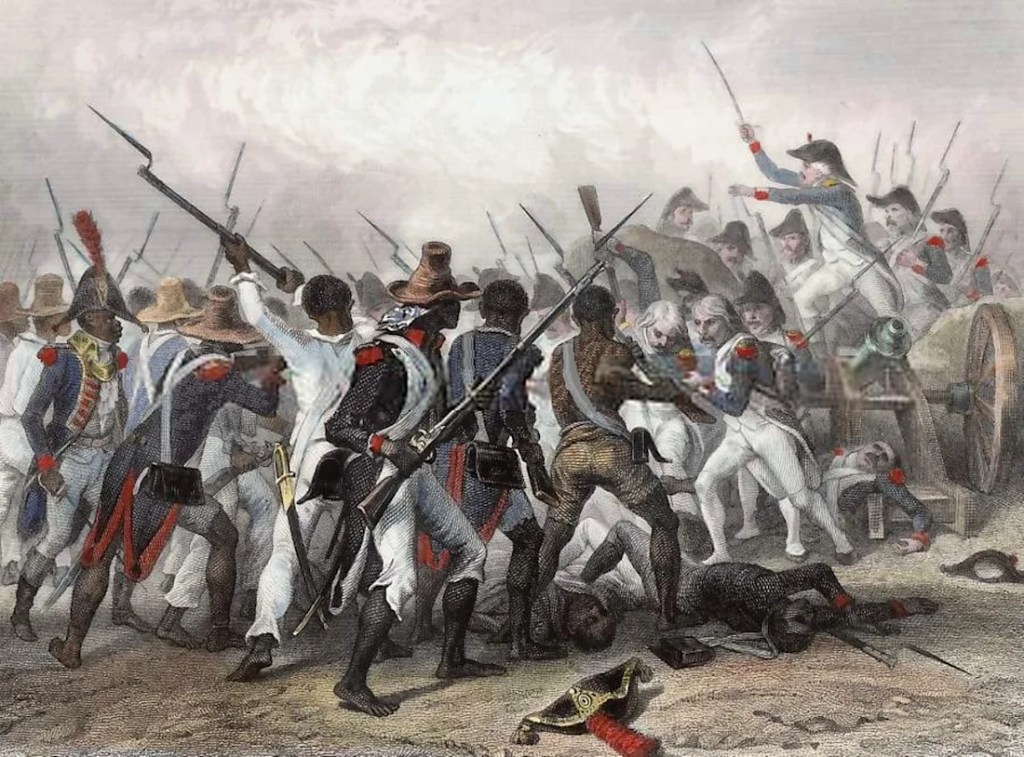
Civic Republicanism in the Haitian Revolution: Toussaint Louverture and His Influence on John Brown
There is nothing I write about unconnected or unrelated to my life and studies in my personal life. Within the digital space of my work, I am working on, e.g., a comparative analysis between John Brown, Giuseppi Mazzini, Henry Steel Olcott and Helena P. Blavatsky on the approach, strategy and issues (even flaws) of adherence…
-
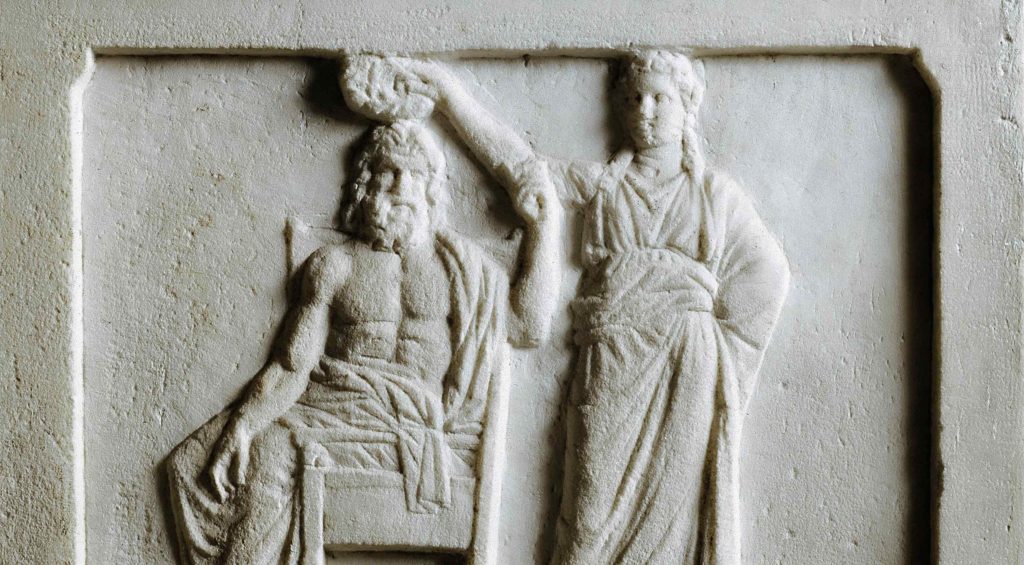
Our Pre-Stoic Roots in Human Rights Theory in the United States
On the sacred philosophical tradition underlying the foundations of Western Civilization influencing republican theory of human rights in the United States from Heraclitus of the Ioanian tradition, even preceding him. Tracing this history demonstrates how the concept of a divine (primordial) element becomes gradually secularized through the Renaissance Humanists, Enlightenment and Neo-Classical Republican traditions. ORIGINS…
-
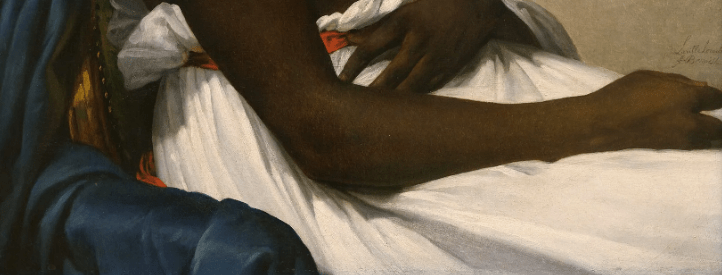
Introduction to Black Republicanism: Five Early Figures, Wheatley to Douglass
In the late 18th and early 19th centuries, a small but influential group of Black intellectuals engaged deeply with Greco-Roman classics and the ideals of classical republicanism. This engagement was multifaceted in that they drew on ancient texts to demonstrate Black intellectual capacity in the face of racist denials. This challenged e.g., claims by Thomas…
-
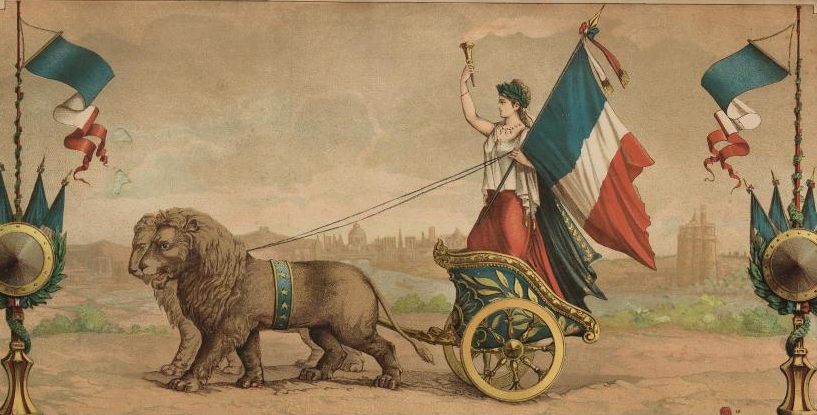
Third Republic Civic Republicanism, Esoteric Movements and Protestantism in France Belle Epoque Era
INTRODUCTION Historical figures involved in French Third Republic (1870–1940) politics were generally opposed to the monarchy, aligning with the prevailing republican and anti-clerical sentiments of the era, though there are nuances in this time within esoteric currents. The Theosophical Society in France, officially established as a section in 1899, attracted and propelled several notable figures who were…
-
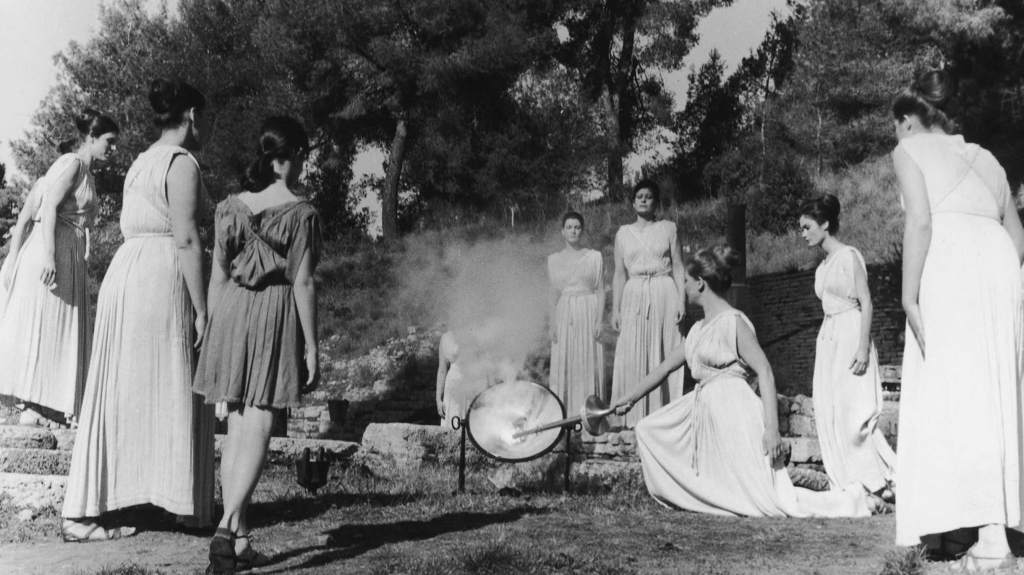
Heraclitus of Ephesus: Philosopher of the Ever-Living Fire in the Ionian Tradition
Imagine stepping into a river, only to find that both you and the water have transformed in the blink of an eye. “No man ever steps in the same river twice,” declared Heraclitus. This simple yet profound observation captures the fundamentals of his philosophy; and one that revolutionized how we understand change, unity, and the…
-
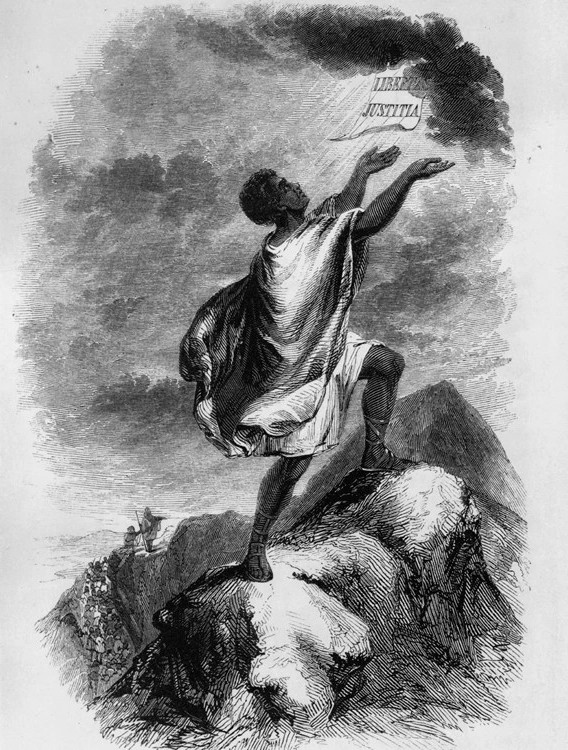
Abolitionist David Walker turns Fire into Radical Revolution against Slaveholding Republic
David Walker turns ancient philosophy of Fire into radical revolutionary resistance against the slaveholding Republic. DAVID WALKER’S APPEAL AS THE FULLEST AMERICAN EMBODIMENT OF THE ARCHAIC PHILOSOPHY OF FIRE David Walker’s Appeal (1829) is indeed the fullest and single most American embodiment of the ancient tradition of FIRE come down to us through the philosophy…
-

Logos and Divine Providence in George Washington’s Faith
An equivalent of the “divine spark” in ancient Stoic philosophy is the logos spermatikos, which was transmitted through Roman Republicanism, Christianity, and Enlightenment thinkers. While George Washington’s writings and speeches do not explicitly use the term, his quiet Christian faith relies heavily on Christian divine providence, natural rights endowed by a Creator, and the moral…
-

Aegean Origins and History of the Fasces: Minoan Crete to Revolutionary Republicanism
INTRODUCTION The fasces did not emerge fully formed in Rome and has its roots in prehistoric traditions. Few symbols encapsulate the ideals of unity, authority, and disciplined governance as profoundly as the fasces. In the American psyche, the fasces became tied to Italian Fascism, Adolf Hitler and the hellish drama of World War II. Symbols…
 The American Minervan