Category: Classical Republicanism
-
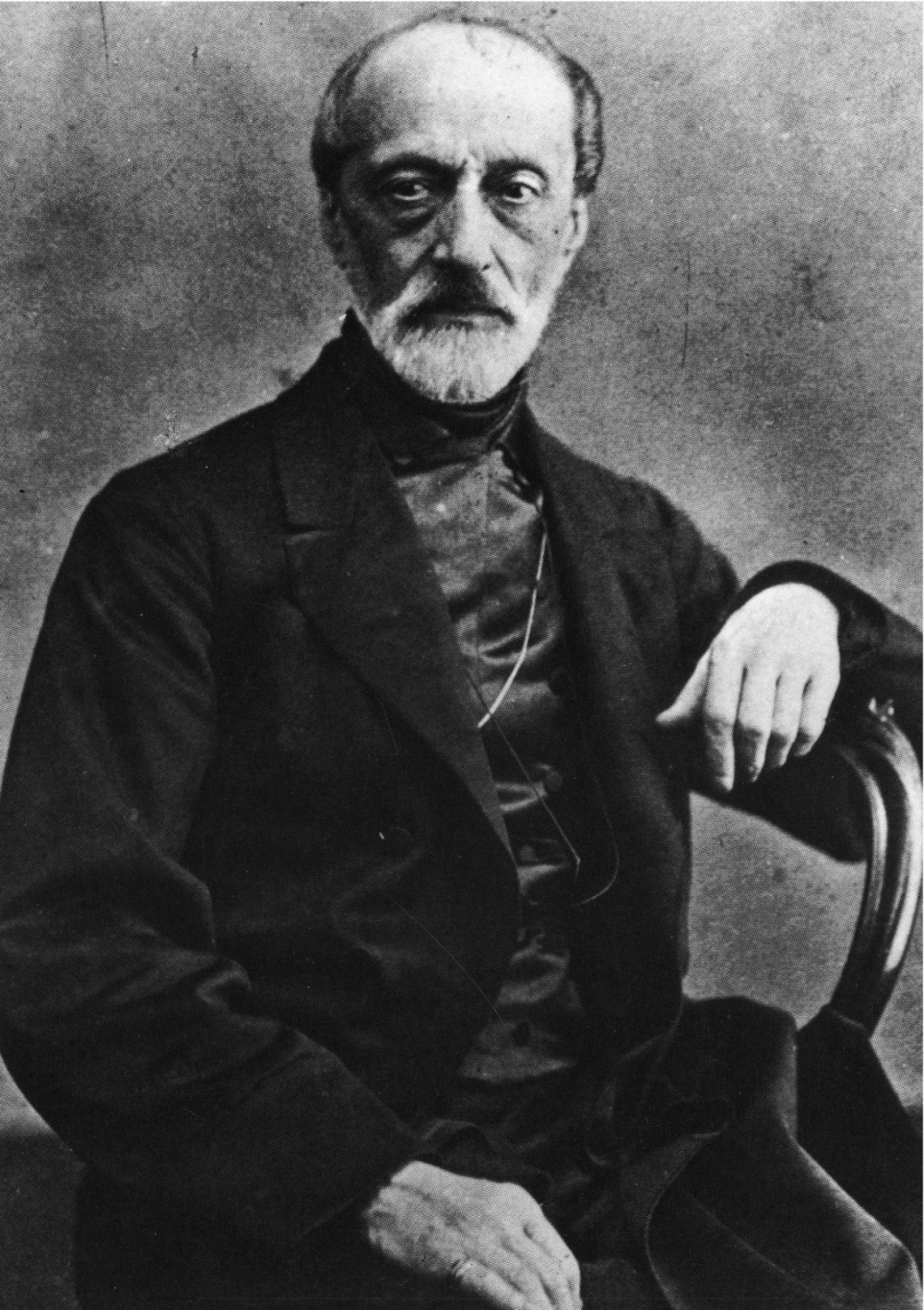
Giuseppe Mazzini’s Cosmopolitan Politics and Influence on Woodrow Wilson
MAZZINI’S “DEMOCRATIC WORLD REPUBLIC”: THE COSMOPOLITANISM OF NATIONS It was Mazzini’s conviction that under the historical circumstances of his time, only the nation-state could allow for genuine democratic participation and the civic education of individuals. To him, the nation was a necessary intermediary step in the progressive association of mankind, the means toward a future…
-

Republicanism in the Radicalism of the American Revolution | Bradley J. Birzer
“For Wood, one of Bailyn’s former students, Republicanism was much more than a political philosophy; it was, rather, organic, a lifestyle and a way of thinking. Republicanism, a utopian movement striving for the full reconstruction of society, explains Wood in his Pulitzer-Prizing winning book, The Radicalism of the American Revolution, represented a historical phase lodged…
-
Limits of American Political Imagination: Bronze Age Pervert on Republics
The classical republics and democracies would be called “Nazi” by Americans in our day, especially with the loose manner people employ the terms against their political opponents of being Nazi and Fascist — a demonstrably failed tactic. This tactic has proven to be a failure for anti-right forces, statistically and observably. I am not sure…
-
Fascist Limitations and crucial differences from Republicanism
It is crucial to warn that you do not diverge into certain logic shared in Fascist Philosophy, or you have made a mistake and must circle back again very quickly. I urge, that you stay steady on the path of Republican Philosophy. However, for development of actual knowledge about Fascism, I have made an exact…
-

The Creation of New Culture
I think of these ideas presented here as what will come to synthesize the combined ideal and mission of THEOSOPHY, Johann Adam Weishaupt’s PERFECTIBILISM and REPUBLICANISM. MINVRA celebrates the path of human struggle to wisdom in life. It encourages you to adopt a balance: a sincere martial attitude towards life to sustain strong spiritual and…
-

The Organic State of Fascism: Two Commandments of Rule
In the Fascist concept of government, the ORGANIC STATE, there is no King Immanuel III, no right or left faction. All are absorbed into a totalistic organism with one absolutist Hero at the apex under a unified, obedient Fasces. Remember as stated, that the fasces in United States REPUBLICANISM does not represent or symbolize authoritarian…
-
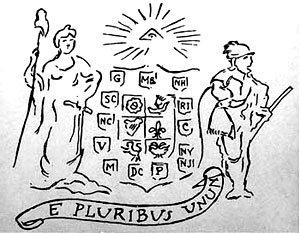
E Pluribus Unum: The Classical Roots of America’s Motto and the Forgotten Meaning of Unity in the Founding Era
The Origin and Meaning of the motto “E Pluribus Unum” In an era of deep national divisions, few phrases capture the American ideal better than E Pluribus Unum (“Out of Many, One). Adopted during the Revolutionary War, this Latin motto symbolized the fragile union of Thirteen colonies into a single republic. However, its roots run…
-

The Real Republican Mind: Upholder of Liberty and Virtue
AREPUBLICAN-mind abhors the chains of slavery — mentally, spiritually and physically. The republican believes that “the health (or welfare) of the People should be the Supreme Law” (Salus populi suprema lex esto). The republican rejects anti-secularism, monarchy, theocracy, clericalism, oligarchy, despotism and authoritarianism. The republican comes from a heritage and legacy of revolution and radical…
-

Slavery and the Limits of Democracy in the Early Republic, Leslie Alexander
Leslie Alexander examines slavery, the persistence of Racism, and how this challenged the American Revolution’s core ideals (July 2021)
-

Oath taken by members of Young Italy, 1831 | Giuseppi Mazzini
Introduction In the visions of nationhood and association professed by Italian revolutionary, Guiseppi Mazzini, I find inspiration, and freedom from limitations in the U.S. American perspective within the larger historical contexts of Republicanism. After the failures of the Carbonari, Mazzini founds Young Italy in his hopes for Italy’s unification. Mazzini saw the American Republic as…
-

Four Points about the Revolutionary Character of Republicanism
There are four things to understand about Republicanism: What are some more key points or detail within these points you can add. Lets reflect on that, and make our comment.
-

Discussion on Ignorance of Republicanism in our Political Degeneration
THE TERM REPUBLICANISM IS NEVER USED BY OUR MODERN POLITICIANS. Rachel Hammersley demonstrates its importance in her work, also taking from ancient republicanism the words of several lawmakers, such as the Spartan — Lycurgus. No politician today embodies the American politics in this form — its arguably highest form. Amy Klobucher for example repeatedly used…
 The American Minervan