Category: Esoteric Buddhism
-

David Reigle’s Analysis on legitimate Buddhist Esoteric Lineage in Theosophy: Great Madhyamaka and Samkhya
INTRODUCTION In David Reigle’s analysis when discussing the relation of Theosophy to Great Madhyamaka and the Samkhya school, he positions Theosophy as the contemporary manifestation of an ancient Wisdom Tradition, emphasizing its doctrinal coherence with esoteric Eastern systems, rather than eclectic borrowings. This distinction in defining Theosophy is key to future research, because standard definitions…
-
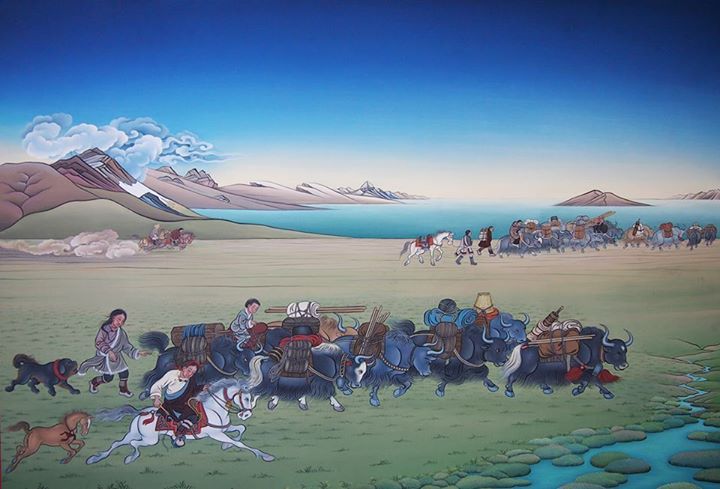
The Identity of Alice Bailey’s “Tibetan Source” Djwhal Khul
There is no animosity the writer has against the works of historian, K. Paul Johnson. It is perhaps true to state, that if it was not for K. Paul Johnson, I would have taken no interest as I have been able to replicate in the political and historical side of the history of American esotericism…
-

Morya on Yahweh as a Mamo in the Prayag Letter
The term Prayāg (or Prayaga) is an ancient term for the city of Allāhābād. In January 1, 1881, an early branch of the parent or original Theosophical Society was formed in Allahabad. G.N. Chakravarti was a notable member of this lodge, who represented Brahmanism at the 1893 World’s Parliament of Religions in Chicago. So, the Prayag Letter is…
-
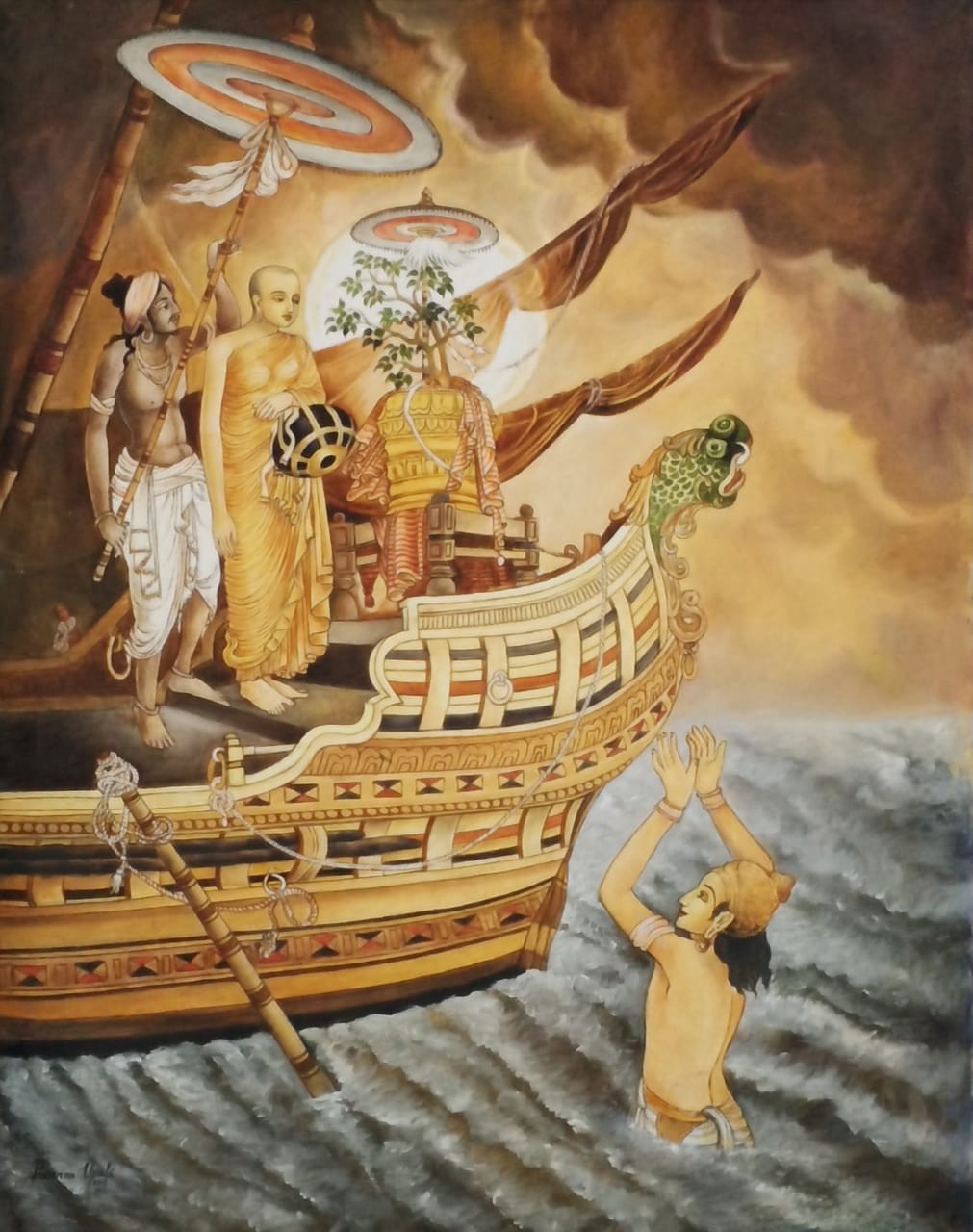
Blavatsky encourages Buddhists to prepare spreading Buddhism
THE DECLINE OF CHRISTIANITY IN THE WEST AND THE FUTURE INFLUENCE OF BUDDHISM It is safe to say, we’ve not seen this “new propaganda of Buddhism” yet, but I believe it is most needed. In reality, the work of developing a new brotherhood or federation of individuals of a theosophic inclination, cannot in our time, nor…
-

God versus Svabhava and its Importance | Cosmological Notes in Theosophy
mahatma letters. fundamental position on the nature and existence of God versus the Doctrine of Svabhāva THERE HAVE EXISTED philosophical schools that have a spiritual ideal of nature, without a God. The debates between the domineering forces of theology, proponents of physicalism and atheism give us very little space to debate between them. The Theosophical position…
-
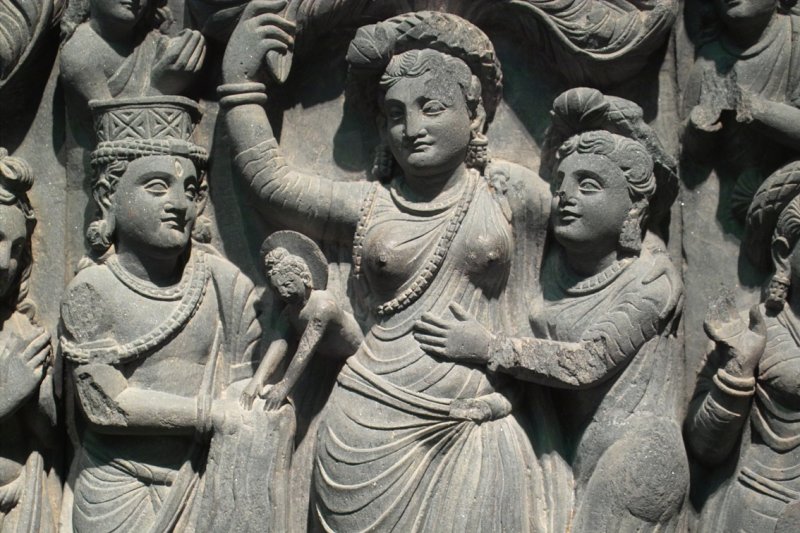
Jean Varenne on the Reactions to Julius Evola on Buddhism
“Let us leave modern men to their ‘truths’ and let us only be concerned about one thing: to keep standing amid a world of ruins.” JULIUS EVOLA Evola’s writings on Buddhism may help to dispel some misunderstanding about Buddhism. Shaykh Abdal Hakim Murad provides the same approach we will take here with Julius Evola. JEAN…
-

The Four Modes of Birth in The Secret Doctrine and the Abhidharmakosa of Buddhism
A NEW, YET UNKNOWN MYTHOLOGY AND CREATION ACCOUNT The Four Modes of Birth described in Indian and Persian Zoroastrian lore, and its meaning in The Secret Doctrine’s “Parallel Evolutionary System” about Human Origins In the ancient mythologies and literature of these traditions we find accounts of human creation, or modes of birth found in both…
-
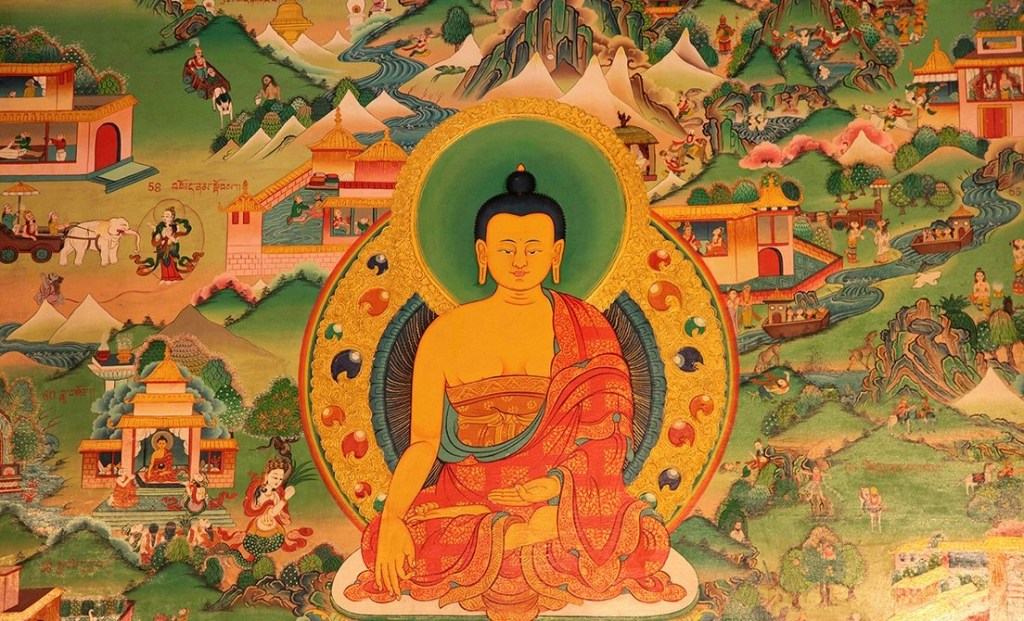
Kalachakra and Theosophy: The Sources of the Book of Dzyan and Kiu-te in The Secret Doctrine and Tantras
The Secret Doctrine Connection to the Kalachakra, ANCIENT RELIGION, ORIGINS OF KABBALAH and the Mystery-Language OF THE INITIATES “These facts take us well beyond the realm of probability. Blavatsky indeed had esoteric northern Buddhist sources” (David Reigle) INTRODUCTION On the authorship of The Secret Doctrine: a facsimile of a letter from K.H. to William Quan Judge…
-

Edward Heneage Dering’s “Esoteric Buddhism: The New Gospel of Atheism”
Edward Heneage Dering’s 29 page critique of theosophist A.P. Sinnett’s Esoteric Buddhism, The Occult World, and the Letters in The New Gospel of Atheism” (1887). This work can be compared to Per Faxneld’s Blavatsky the Satanist: Luciferianism in Theosophy and its Implications in its method of quoting, but still manages to misrepresent his opponent. However, what…
-
Russian Philosopher Vladimir Solovyov and Charles J. Ryan: ‘H.P.B. did not invent the Tibetan Brotherhood and Chelas’
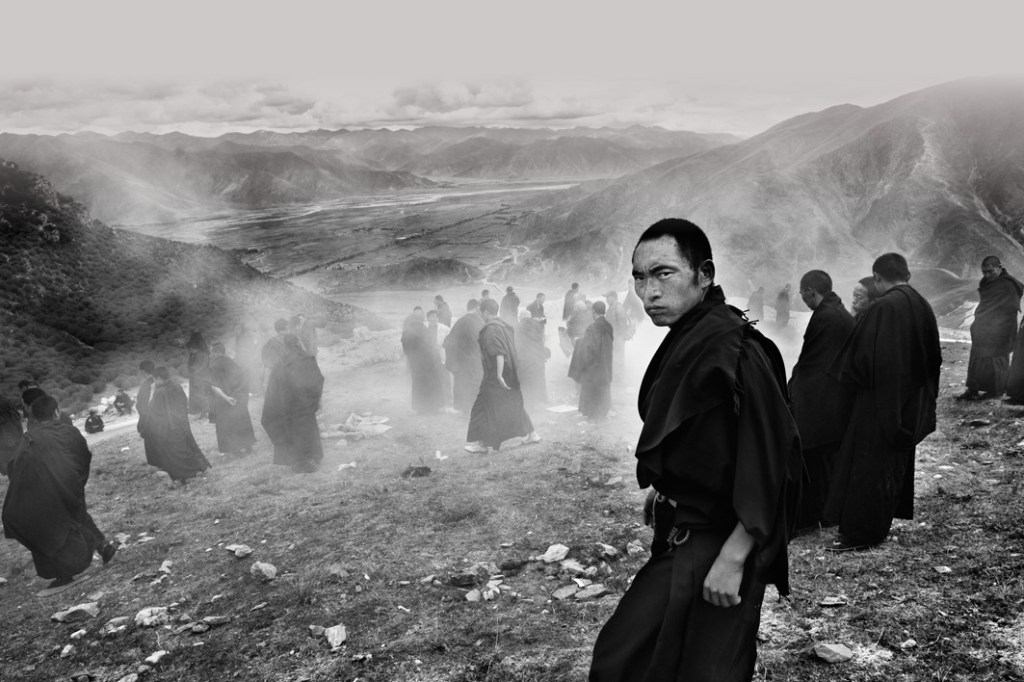
RUSSIAN PHILOSOPHER Vladimir Solovyov and THEOSOPHIST Charles J. Ryan say ‘H.P.B. did not invent the Tibetan Brotherhood and Disciples’ Besides Dr. Wernekke of Germany, the casebook of encounters with the theosophical mahatmas, and Ramalingam Pillai’s insight, Charles J. Ryan defends the existence of Blavatsky’s chiefs, associates, and the brotherhood. One of the greatest Russian philosophers,…
-
Angulimala: Forgiveness and Redemption in Buddhism
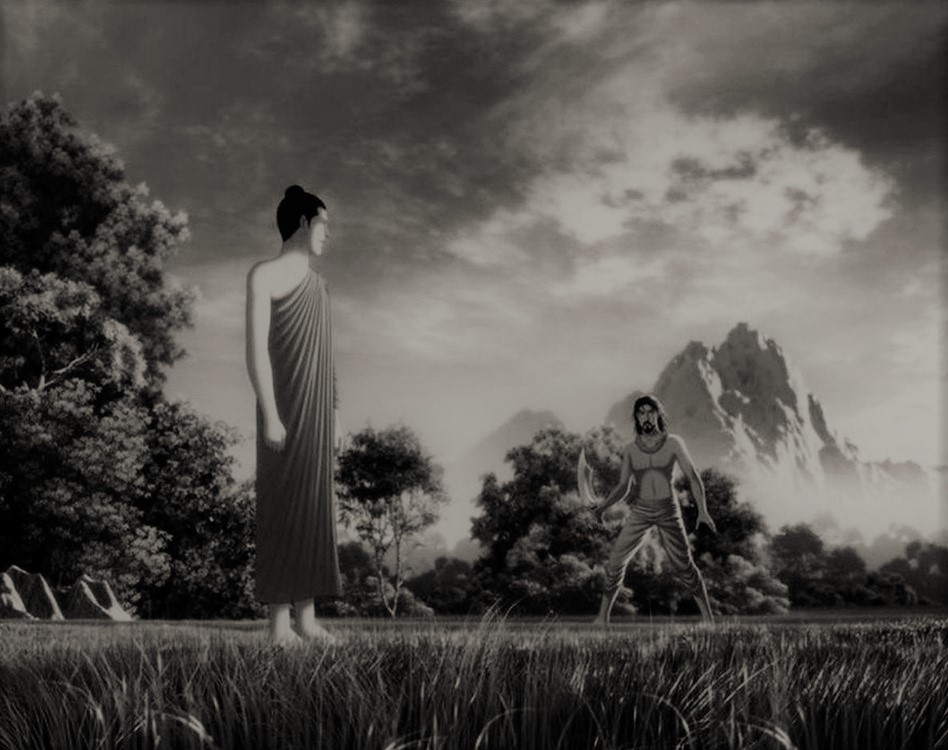
SIDDHARTHA MEETS AND REFORMS A SERIAL KILLER, Aṅgulimāla Angulimala, is the story of Angulimala, a murderer who becomes an arahant (Pali. “one who is worthy” or perfected person), and this scene captures the concept of forgiveness and redemption in Buddhism. Angulimala demonstrates, the potential of all human beings to change, and achieve liberation. “Angulimala, the…
-

From the Holy Text of Tibetan Buddhism: Sixty Songs of Milarepa
Milarepa on the inner teachings of the Dharma, invites his patrons toward the Path of cultivation. Songs 8-9, 11-13. Milarepa’s resolutions and facing somber truths about the world. Songs 7-8, 25-29, and 31-32 “Though Dharma is the fount of victory, those who aspire to it are rare.” MILAREPA
 The American Minervan