Category: Global Esotericism
-
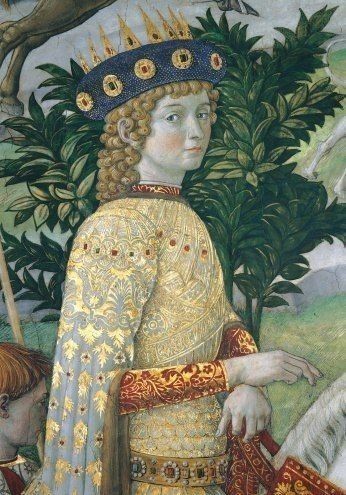
Theosophy, Pre-Socratic Monism and Cosmology in relation to Abrahamic Monotheistic Claims
Within the Theosophical framework, as articulated by H.P. Blavatsky and in David Reigle’s analyses of an ancient, pre-Vedic Wisdom Tradition, the Pre-Socratic sages such as Thales, Anaximander, Xenophanes, Parmenides, Heraclitus, and Pythagoras (often included in this group) are regarded as pivotal figures who birthed Western civilization and philosophy by drawing from a primordial, universal esoteric…
-
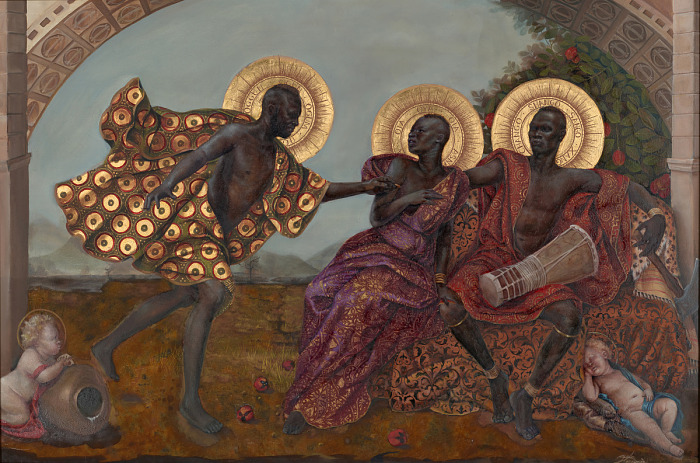
Oral Traditions in Africa
The statement that oral traditions in Africa predate writing for example is well-supported by scholarly consensus in African historiography, linguistics, archaeology, and anthropology. The only people that initially denied these facts were scientists with bias during the colonial-era. Oral traditions tend to encompass storytelling, epics, proverbs, genealogies, praise poetry, and historical narratives transmitted verbally across…
-
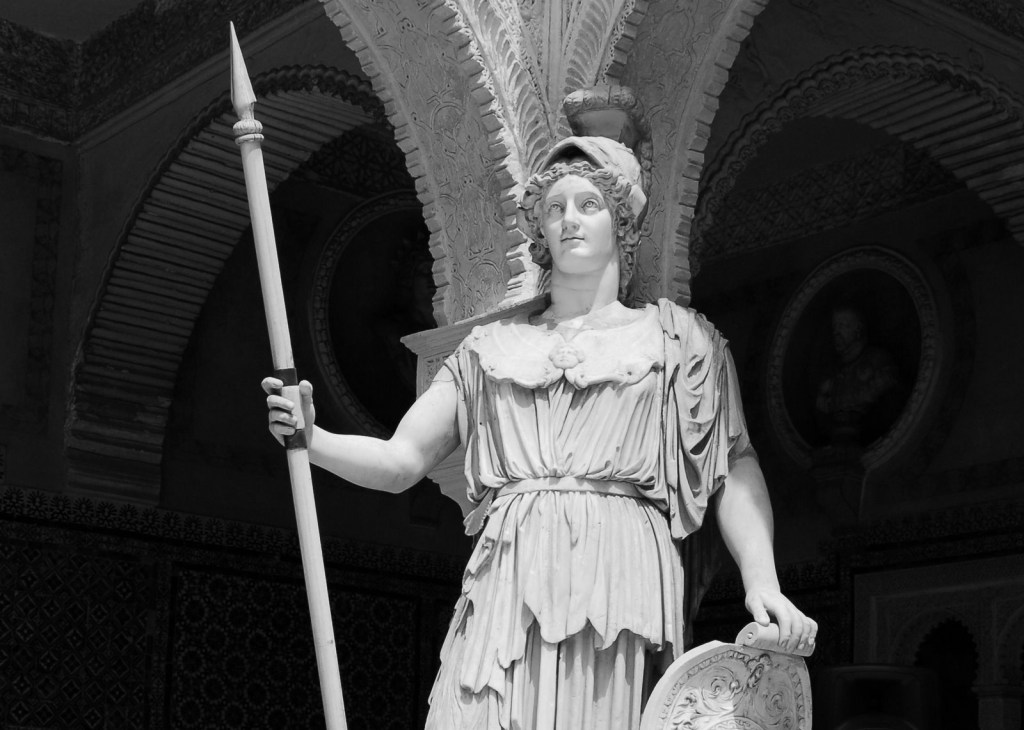
Athena, Virgin Guardian of Aries: Courage and Noetic Enlightenment in Hellenic Esotericism
INTRODUCTION TO ZODIACAL SYMBOLISM AND SALVATION IN PRYSE’S INTERPRETATION We adventure once more into The Restored New Testament (1914) of Theosophist James Morgan Pryse to understand the significance of Athena in Hellenic religion. Pryse’s work reinterprets the New Testament as a Hellenic mystery drama infused with esoteric symbolism, blending Greek mythology, zodiacal astrology, and theosophical…
-

Jewish Kabbalah and Hindu Account of the Origin of the Universe: Cosmological Notes
INTRODUCTION This article aims to demonstrate a fundamental unity of ancient esoteric wisdom traditions by comparing Hindu cosmogony with Jewish cosmogony in addition to correcting certain ideas about shared geometric symbolism. These systems are not oppositional but “two leaves on the same stem,” sharing an identical esoteric core that originates from a primordial universal secret…
-
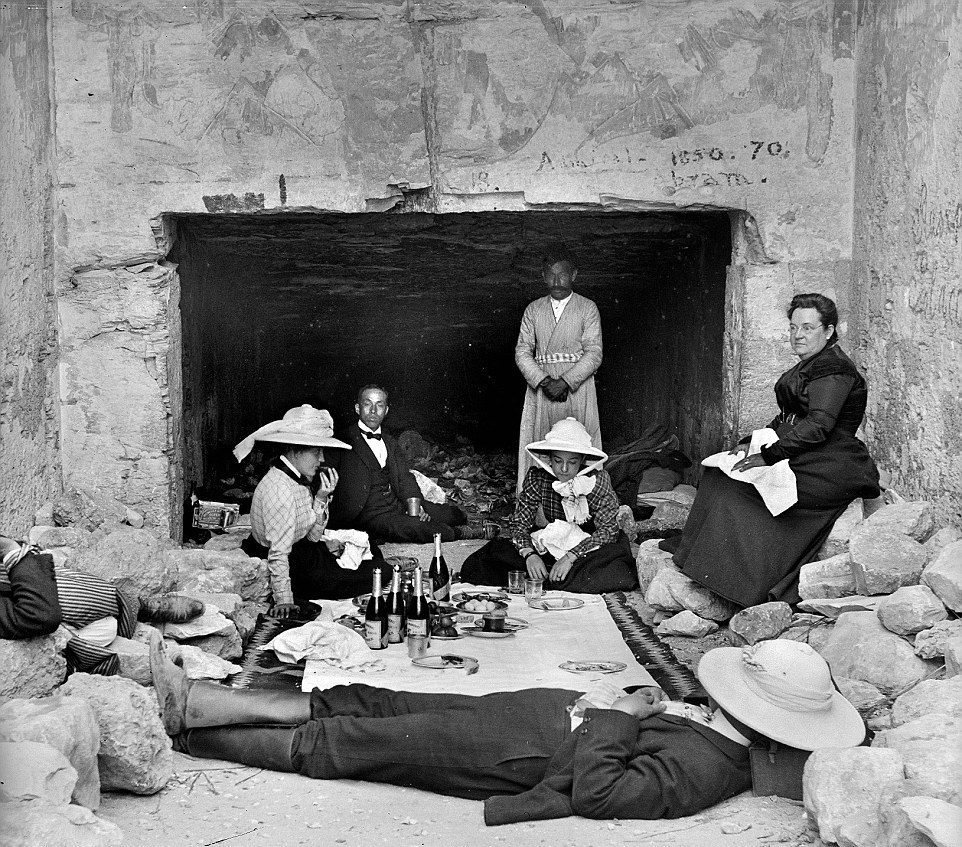
Chain of Transmission of Ancient Wisdom in the Writings of Helena Blavatsky
It was proposed in her earlier works like Isis Unveiled that the transmission of ancient wisdom or cultural influences originating in India passed through Egypt and/or Chaldea (ancient Babylonia in southern Mesopotamia), and then extending to ancient Greece and Jewish traditions. This was central in early Theosophical frameworks in books such as later in The…
-
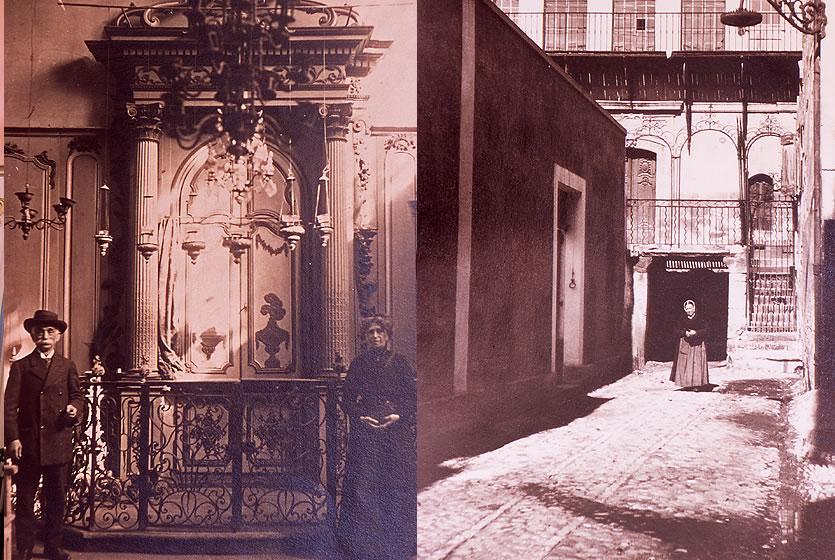
Rhineland Pietists to Mishnaic Period: Medieval and Pre-Medieval Transmission of Jewish Esoteric Traditions
ORAL AND INITIATORY Tannaitic and Amoraic periods to the German Pietists. Consider all the well-known lines in Jewish and Christian sacred literature about knowledge for the public and knowledge restricted to the initiated few. RHINELAND PIETISTS, HASIDEI ASHKENAZ INSPIRES 17TH CENTURY GERMAN PIETIST MOVEMENT ⑇ The German Pietists in the 17th to 18th century owe…
-

Nahmanides to Theosophy: Views about the Kabbalah
Traditionally, Kabbalah is the mystical, esoteric tradition within Judaism, and its transmission was restricted to a small few highly learned Jewish sages or advanced scholars under the direct tutelgage of a rabbi or a qualified mekubal (master). Therefore, there are levels as discussed. When you ask about the Kabbalah, you will be given a simple…
-

Medieval Kabbalah and the Transmission of Jewish Mysticism
𖣂 Kabbalah is the primary vehicle for the Hebrew sod (or secret wisdom) as written. Representing pre-medieval esoteric traditions, the SeferYetzirah (Book of Formation or Book of Creation) is one of the earliest extant texts in Jewish esotericism and a foundational influence on later Kabbalah. This short, cryptic text describes the universe’s emanative phases through the 32 paths…
-

Crusades to Late Renaissance Occultism to Enlightenment Timeline (1075-1680)
HISTORY ABOUT THE TIMELINE This timeline focuses on significant events and personages specifically from the Crusades to the Late Renaissance, which leads into the Enlightenment. It is a record of Europe’s most riveting historical developments in the study of Religion and War in Europe, and the history of the Catholic Church and Occult Philosophy from…
-

From Nabta Playa to the Osirian Mysteries: Africa’s Claim to the Primordial Wisdom Tradition
How nineteenth-century esotericists ignored Africa’s ancient Wisdom Traditions, limiting their focus to Biblical interpretations, which expanded into understanding Indo-Iranian roots. INTRODUCTION The concept of a single primordial Wisdom Tradition, or even just the origins of “Holy Wisdom” as it was constituted in Western religious and philosophical literature (particularly in the nineteenth-century, to the medieval Alchemists…
-
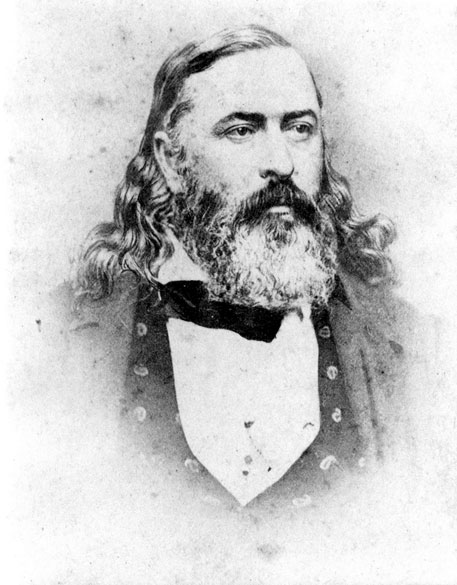
The Conflicted Albert Pike, and a Wounded Union: Early Years 1830s to 1880s
INTRODUCTION: ECLECTIC MASONIC PHILOSOPHER IN CONFLICT Albert Pike’s editorial career exhibits a philosopher highly in conflict with himself, and I hope his inner conflicts alongside his philosophical legacy may provide us the chance for reflection about similar men of our day. People fixate on Albert Pike’s pro-slavery stance (and often exaggerate or distort it) for…
-

Albert Pike’s Life and Philosophical Legacy in American Esotericism
This article is a combination of transcription and summation of Canadian philosopher Manly P. Hall’s Seminars on the life and ideas of Albert Pike in 1958 tracing the origins of the Wisdom Tradition, which often takes on a form of mythmaking in Masonic lore. A more in-depth factual biography of Albert Pike’s life, views and…
 The American Minervan