Tag: Global Esotericism
-
William Q. Judge on Eastern Occultism in Theosophy versus Western Occultism
The theosophists were trying to explain in their time, that the history, nature and implications of Occult Philosophy are far more than what was being introduced to Western thinkers, and certain fundamental elements of Occultism should direct its development and influence. It is not for the sake of division, that Judge and Blavatsky made the…
-

Mark Passio on the Perversion of Blavatsky’s Occult Writings
I must first explain, despite what is said in the lecture, the theosophical position actually negates the belief in God, and also does not see Nature as God. While an asteroid hitting the earth, or a Supervolcano erupting would remind us of the truly awful and frightening, unmerciful power of nature and the Earth, it…
-

Guanshiyin the Mother Buddha in The Secret Doctrine
“The valley spirit, undying Is called the Mystic Female The gate of the Mystic Female Is called the root of Heaven and Earth It flows continuously, barely perceptible Utilize it; it is never exhausted.” (Tao te Ching, Chapter 6) “The Secret Doctrine” notes that no exoteric religious system have indeed ever adopted a female Demiurge,…
-

“Time destroys the speculations of man” – William James, 1907
“I fully expect to see the pragmatist view of truth run through the classic stages of a theory’s career. First, you know, a new theory is attacked as absurd; then it is admitted to be true, but obvious and insignificant; finally it is seen to be so important that its adversaries claim that they themselves…
-
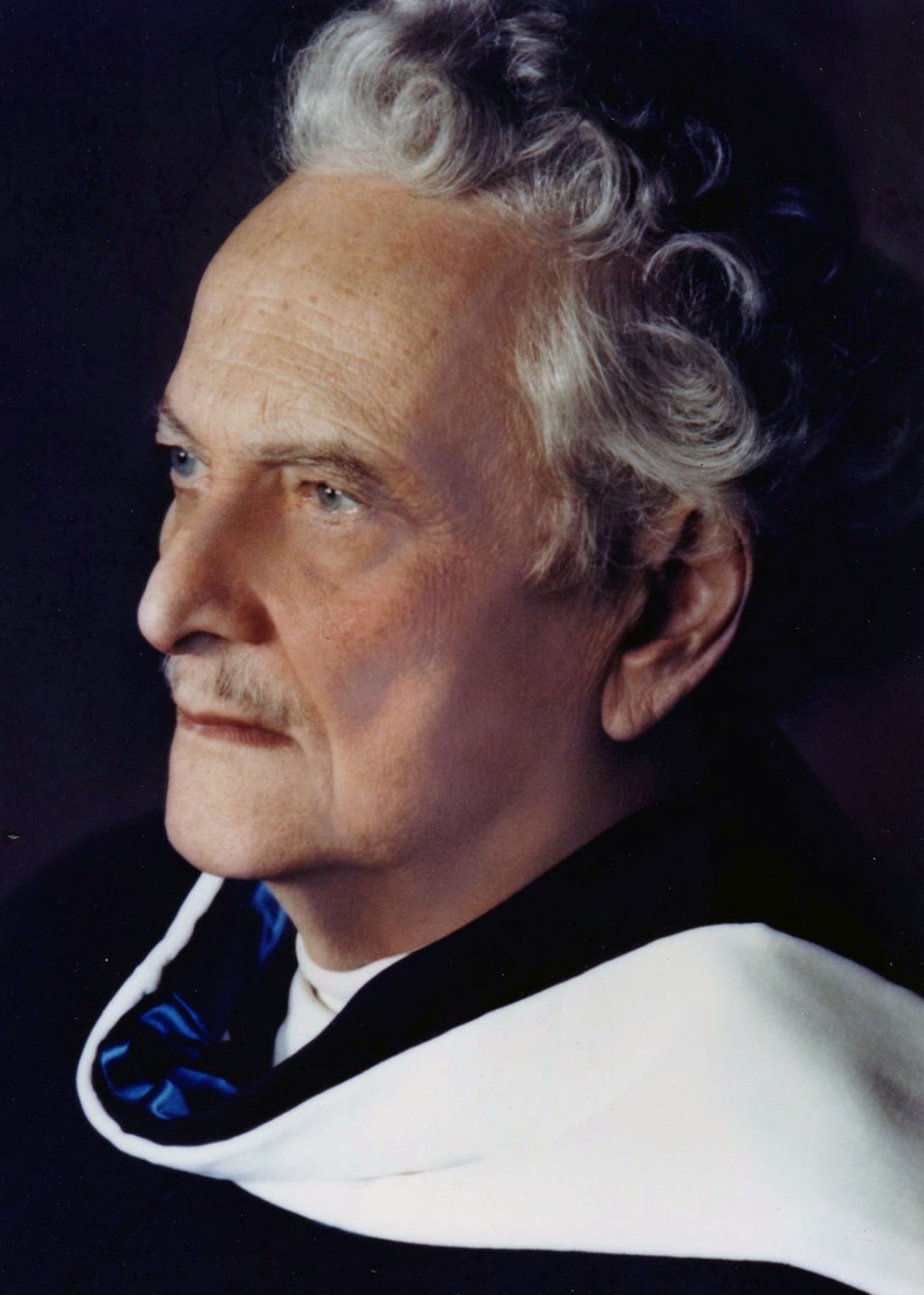
Manly P. Hall: the Great Value of Blavatsky’s “The Secret Doctrine”
Manly P. Hall on the influence of H.P.B.’s writings from his Landmarks of Esoteric Literature Lecture “We have not yet reached that point in international thinking, in which we could be fair about the opinions, beliefs, and convictions of other peoples; and even today, if a poll were taken, I think it would be safe…
-

The “real Path” to esoteric knowledge is very difficult
“There are several ways of acquiring knowledge: (a) by accepting blindly the dicta of the church or modern science;(b) by rejecting both and starting to find the truth for oneself. The first method is easy and leads to social respectability and the praise of men; the other is difficult and requires more than ordinary devotion…
-

Kathryn Olmsted on the Secret Society of the Illuminati
THE SECRET HISTORY OF THE ILLUMINATI Great points by Professor of History at UC Davis, Kathryn Olmsted.
-

Samuel Fales Dunlap on the Ancient Origin of Names of Great Gods, Cities, Rivers and Countries
In Samuel Fales Dunlap’s work The Origin of Ancient Names of Countries, Cities, Individuals, and Gods (Cambridge, 1856), he argued that the proper names of countries, cities, individuals, and gods, drawn from regions including Greece, Italy, Asia Minor, Babylon, Egypt, Phoenicia and Judaea, are generally compound words incorporating the names of ancient sun-gods. This reveals…
-

James M. Pryse On The Delphian Key-Note of Esotericism: Plato’s Four Degrees of Knowledge
Theosophist, James Morgan Pryse describes the true meaning of the Delphian axiom, “Man, Known Thyself,” in his highly interesting work, Apocalypse Unsealed: Being an Esoteric Interpretation of Initiation (1910). Pryse argued, that the “Book of the Revelation” of Iaonnes (John) is not a book detailing the past, nor the future; but was a book designed to…
-

G.I. Gurdjieff on Esoteric Christianity and the Slavery of the Masses
Peter D. Ouspensky, a Russian philosopher and student of Armenian mystic, George Ivanovitch Gurdjieff around 1870 recounts a conversation he had with him in his book, In Search of the Miraculous: Fragments of an Unknown Teaching (1949). In one account, Peter D. Ouspensky asks Gurdjieff: “Why if ancient knowledge is preserved, why aren’t such men…
-
Limitations of Christian Cabalists and Bible Challenge Authority of Western Esotericism
Does the limitations of Kabbalah and the Christian Bible in the Studies of Esotericism blind Western Philosophers? Helena P. Blavatsky challenged the esotericists of her time, who saw in the Bible, the final authority, even in the area of esoteric study. “And now it has come to this: The student interested in the Secret Sciences…
-

Goetia and Witchcraft: Origin of the “Witch” and Magic
The term “Witch” in old Anglo-Saxon glossaries is tied to wicce, meaning “pythoness, divinatricem.” As in this, and in early forms, it referred to specific kinds of magical craft. In the Laws of Ælfred (c.890), wicce is seen as the craft of women — “wise (skilled) women in the art of magic”; and in the old German, wiccan…
 The American Minervan