Tag: Mysticism
-
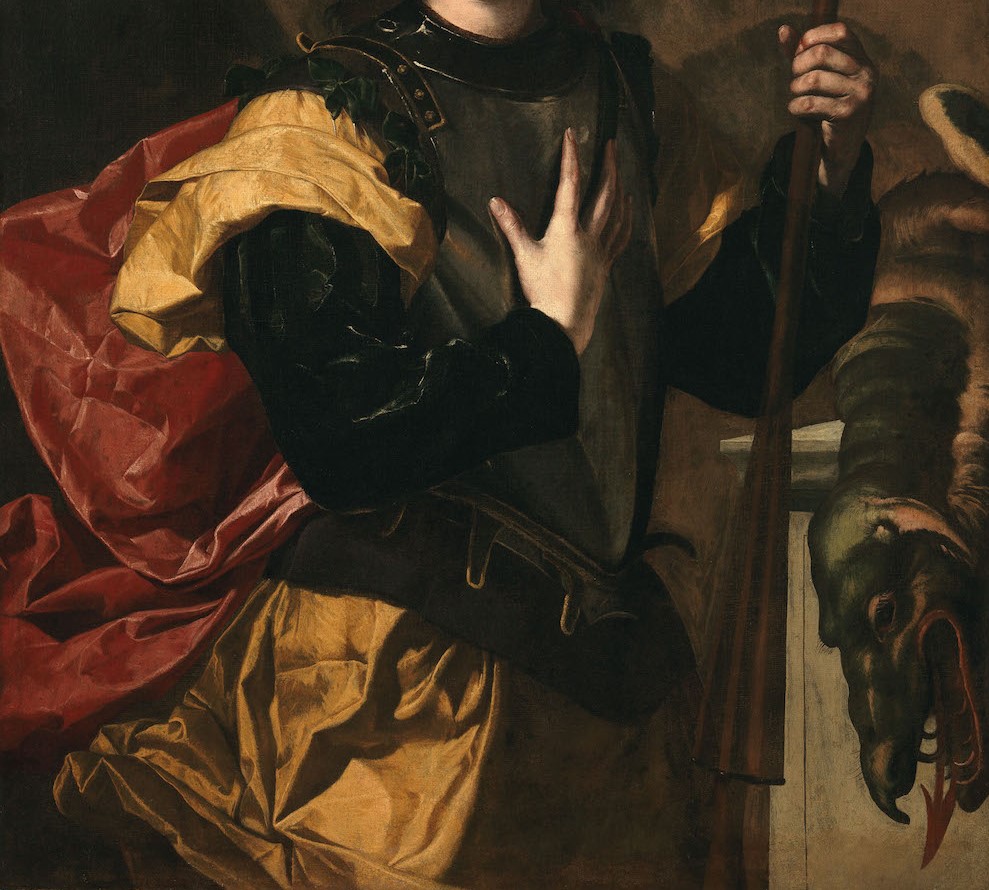
Carl Orff: Circa Mea Pectora
Circa Mea Pectora (“In My Heart”) is a dramatic love song in Latin and Middle High German, and the singing is put in the mouth of a man whose intentions are made to seem clearly not honorable. It is relatable to the drama of an unworthy candidate’s ambitious and selfish intentions in their aspirations to unveil…
-

Carl Orff: Veni, Veni, Venias
Carl Orff: Veni, Veni, Venias #Orchestra #Wisdom #Gnostic #Love #Mysticism
-
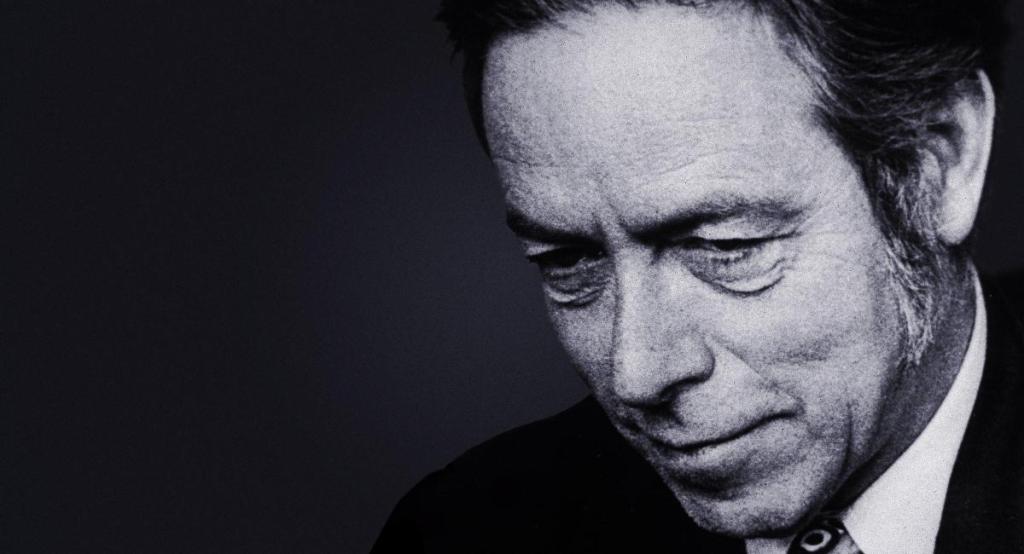
Alan Watts: “Ecology and Religion”
Alan Watts on the limited symbolic ideas about God affecting human behavior, the problem of the paternalistic concept of God, the feminine property in Eastern metaphysics, and the self-contradiction of the idea that real power is force. Alan Wilson Watts (6 January 1915 – 16 November 1973) was a British-born philosopher, writer, and speaker, best…
-

Carl Orff: Lucia Popp: “In Trutina”
Lucia Popp sings “In Trutina” (Between Chastity and Love) in Carl Orff’s Carmina Baruna.
-
Priidite Poklonimsya (Come, Let Us Worship) | Rachmaninoff: Vespers (All-Night Vigil)
Priidite Poklonimsya (Come, Let Us Worship), Opus 37, No. 5. All-Night Vigil, Op. 37. The work begins with a fourfold call to prayer, in six and then eight parts. Priidite Poklonimsya(Come, Let Us Worship) “Priidite, poklonimsya Tsarevi nashemu Bogu.Priidite, poklonimsya i pripadem Khristu Tsarevinashemu Bogu.Priidite, poklonimsya i pripadem Samomu KhristuTsarevi i Bogu nashemu.Priidite, poklonimsya i…
-

Sophia and the Alchemical Wedding in the Rosicrucian Vision
“You are my mind, bring me forth.You are my treasure-house, open for me.You are my fullness, take me to you.” THE PRAYER OF APOSTLE PAUL, NAG HAMMADI LIBRARY
-

Short Lexicon of Titles and Terms used in Theosophical Literature
“THERE are persons whose minds would be incapable of appreciating the intellectual grandeur of the ancients, even in physical science, were they to receive the most complete demonstration of their profound learning and achievements.” (ISIS UNVEILED, 1877, Vol. 1, pg. 461.) “Lo, warrior! now the cross of RedPoints to the grave of the mighty dead;Within it…
-
Carl Orff: Ave Formosissima!
“VENUS, VENUS, VENUS — GENEROSA (noble Venus)!” “Ave formosissima,gemma pretiosa,ave decus virginum,virgo gloriosa,ave mundi luminar,ave mundi rosa,Blanziflor et Helena,Venus, generosa!”
-

The Practical Basis of Spiritual Illumination
“To fully define Theosophy, we must consider it under all its aspects. The interior world has not been hidden from all by impenetrable darkness. By that higher intuition acquired by Theosophia — or God-knowledge, which carried the mind from the world of form into that of formless spirit, man has been sometimes enabled in every age…
-

Alan Watts on American Spiritual Settler Movements: ‘Why America is a Republic and not a Monarchy’
“So, the point is that the ruach is the divine, in the creature, by virtue of which you are sons of, (or of) the nature of God (manifestations of the divine). This discovery is the Gospel, is the good news; but this has been perpetually repressed throughout the history of Western religion; because all Western…
-

The Mission of Ammonius Saccas and the New Platonists of Alexandria
The aim of the Hellenist philosopher Ammonious Saccas from Alexandria, founder of the New Platonic Eclectic School, was to reconcile the plethora of sects in Egypt and Palestine at the time. The central object was faith in one immutable, nameless, inexorable Divine Principle and eternal law by which the Universe was governed. It was by…
 The American Minervan