Tag: Theosophy
-
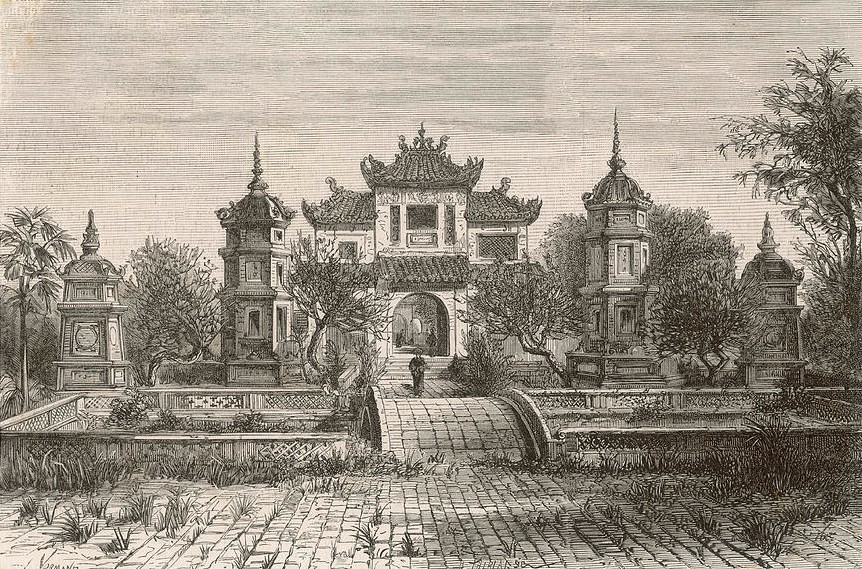
Kong Zi (Confucius) Film Scene – True Act of Brotherhood and Sacrifice
This was one of the most moving scenes in the film. It exemplifies, not only Chinese culture and understanding of the State, or the ethics of the master portrayed — we will use the scene to also exemplify the republican philosophy and its idea of Fraternitas.
-

Theosophy on Sex and Sex Magic: Suffering, Desire, and Liberation
Originally “Sex in Occult Philosophy,” I wanted to reflect upon and grapple with sex in relation to my life, relationships, and suffering. Rather, this will be mostly about Theosophy and a little reflection on sex in relation to suffering, desire, and spiritual liberation. This is not written as a rule for the general public, but…
-

William Q. Judge on Patriotism and a Nation’s Death: ‘Patriots, in vain…’
“But you know, as any man who has read history, that patriots may burst their hearts in vain if circumstances are against them. Sometimes it has happened that no human power, not even the force and fury of the loftiest patriotism, has been able to bend an iron destiny aside from its fixed course, and…
-

The Irony of Apoliticism in the Theosophical Movement
INTRODUCTION: APOLITICISM AND MODERN STATE OF MONARCHISM With the reintroduction of theosophical research in the mainstream comes opportunity to combat misconceptions about the relation between the Theosophical Movement and Politics as explained in Herman de Tollenaere on Influence of Theosophy on Indonesian and South Asian Nationalisms. I am not of the belief, that Theosophists had…
-

The Spanish Alumbrados: Origin of the Term ‘Illuminati’
The ALUMBRADOS, Perfectibilists and TheosophiCAL REFERENCES Illuminati. the past participle of illuminare, meaning to “light up,” or “illuminate.” The plural term, “Illuminati” (Lat. illuminatus; Ital. Illuminato). The term has earlier religious uses, with no historical connection between the use of the term by the Spanish Alumbrados Catholic mystics and the later Illuminati Order in Bavaria. LINGUISTIC HISTORICAL…
-
G. de Purucker’s Introduction to the Esoteric Tradition: The Word “Dogma”
G. de Purucker in his introduction of the Esoteric Tradition (1940) explains the meaning of Theosophy being non-dogmatic. DOGMA IN THE ESOTERIC TRADITION BY G. DE PURUCKER “The word dogma comes from the Greek verb dokein, “to seem to be,” “to appear to be.” A dogma, therefore, was something which appeared to be a truth: an…
-

Theosophy and Platonism: The Seven Principles of the Human Constitution
The concept of the Septenary Constitution describes two distinct beings in man: (1) The spiritual (or monadic); and (2) the physical (or somatic), i.e.— “The man who thinks and the man who records as much of these thoughts as it is able to assimilate.” †In Theosophy, the spiritual constitution is termed the “imperishable triad.” It…
-

“He Who Would Lift Up High the Banner of Mysticism”
The solitary ascetic, H.P. Blavatsky argues is the embodiment of cowardice and egotism. In context, she is alluding to Hatha-Yogis and Chrisitan mortification practice. She further explains that “a hermit who flees from his brothers instead of helping them to carry the burden of life, to work for others, and to put their shoulders to…
-

Chatterji and Holloway on the true implications of Occultism
The Theosophical Movement as it was to be, stands in contrast to the zeitgeist. One of the key figures in the history of the Theos. Soc. was co-founder William Q. Judge believed, “It may be possible to usher in a new era of western occultism devoid of folly. We should all be ready for that,…
-
Blavatsky’s Russian Travel Writings on Racism and Colonialism in India, 3 of 3
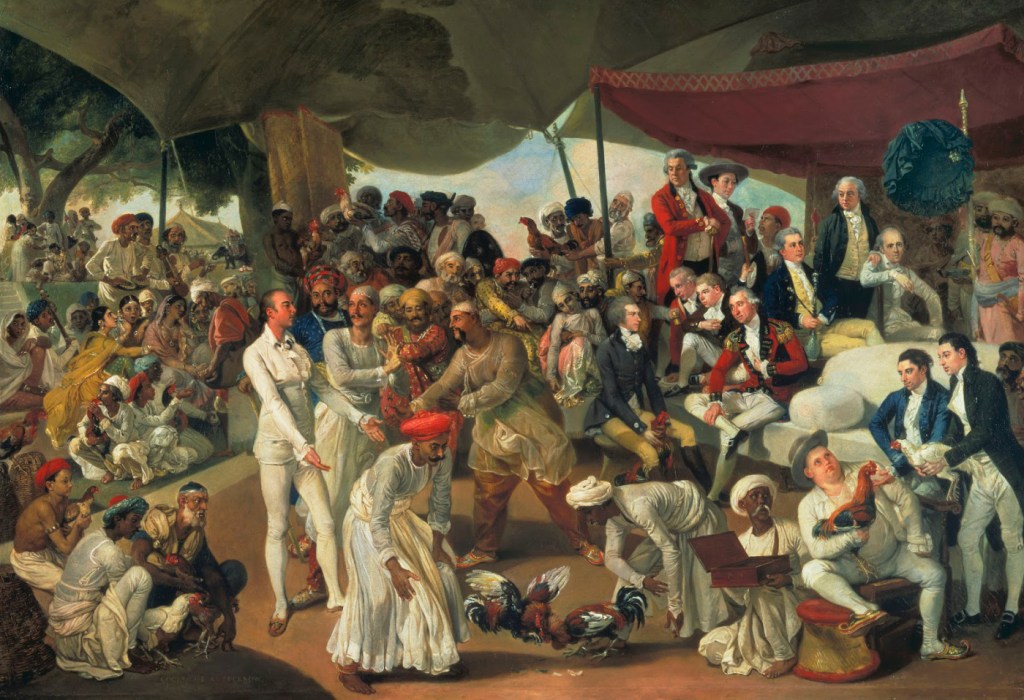
FROM THE DURBAR IN LAHORE, CHAPTER III Having described the English and the characteristics they have developed here, let us look at the natives and see how far they have deserved their harsh fate. Let me here express a thought which may seem paradoxical, though it is supported by irrefutable facts. The Hindus lack and are incapable of…
-
Blavatsky’s Russian Travel Writings on Racism and Colonialism in India, 2 of 3
FROM THE DURBAR IN LAHORE, CHAPTER II H.P. Blavatsky calls the attitudes between the English and Indians, that of two blind men. “In India, wherever two Englishmen meet, complaints about the “fiendish ingratitude of the black devils” are soon heard and wherever two natives encounter each other, complaints about the “dark intentions of the white oppressors” will…
-
Blavatsky’s Russian Travel Writings on Racism and Colonialism in India, 1 of 3
FROM THE DURBAR IN LAHORE, CHAPTER I H.P. Blavatsky gives her humane view of the realities of colonial India in The Durbar in Lahore. In Blavatsky’s Eloquent Anti Racist Colonialism Editorial 1/3, it says this editorial is from Chapter 3 of The Durbar in Lahore, which is planned for publication in the second volume of Blavatsky’s Russian Travel Writings by…
 The American Minervan