Tag: Theosophy
-

Noah Webster’s Influence on Early American Identity, Journalism and Education
Noah Webster, Adams and other early Americans emphasis on divergence from Britain demonstrates how Federalists sought to create early American identity through changes to institutions, language, and colonial education to legitimize the new republic. Mayflower descendant Noah Webster (1758-1843) is considered the father of American education and the American dictionary. Webster is accompanied by many…
-
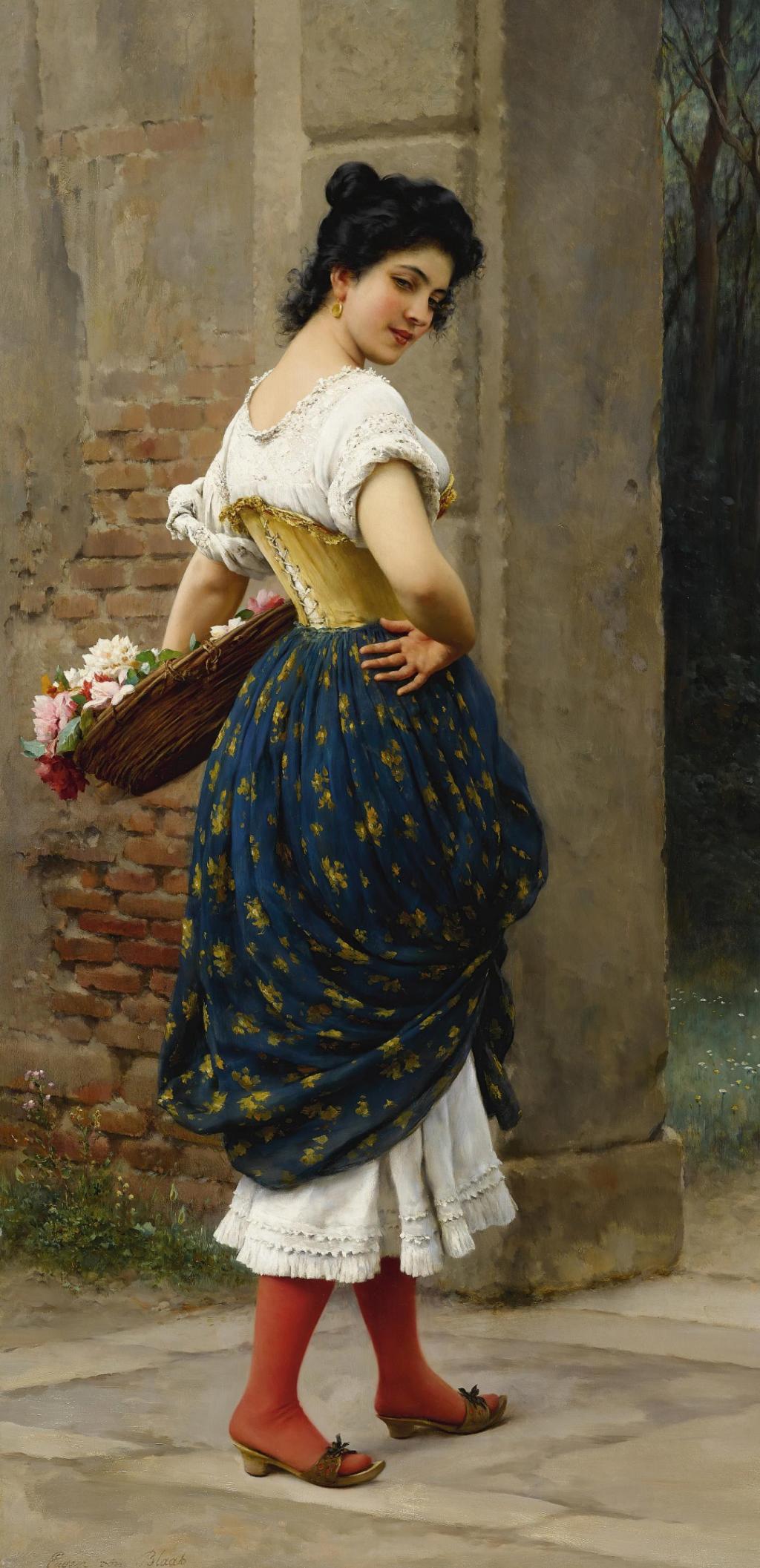
Lovers of the Ancients, or Christian Dogmatic claims to Truth
We are who we are, because we are “lovers of the ancients.” I would not be writing without my influences from Greek, Indian and Islamic Philosophy; and Blavatsky, Suhrawardi and Henry Corbin. I traced the styles of Blavatsky’s references, going to sources of doctrines in the Chaldean Oracles and the works of the eclectic orientalist…
-

Blavatsky and Mazzini’s Vision of Progress
Blavatsky and Mazzini adopted the same view towards communism and socialism. Both maintained a unique position in republicanism as a force for the progress of a moralistic and humanitarian syncretic religious vision, “universal brotherhood,” and ethical duty-driven virtue. This vision was divorced from socialism and communist revolutionaries, the emergent “new atheism” of that time (which…
-

Notes on Theosophy, Ismaili Cosmology, and Jamal al-Din Connection
NOTES Theosophical Positions are rooted in pre-Islamic doctrines, and this is supported by the research from Eastern Tradition archive’s Book of Dzyan Research Reports series. This series methodically verifies Blavatsky’s sources as traceable in extant Buddhist scriptures, such as Tsongkhapa’s Gelugpa texts on the Wisdom Tradition. Be very careful in connecting the socio-political and Masonic…
-
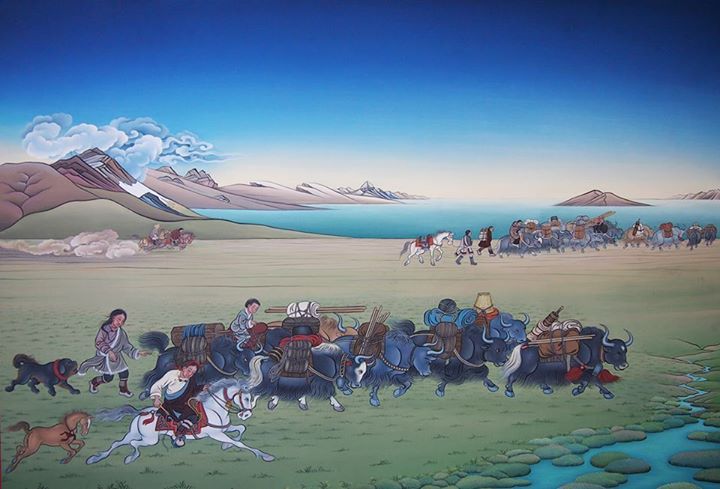
The Identity of Alice Bailey’s “Tibetan Source” Djwhal Khul
There is no animosity the writer has against the works of historian, K. Paul Johnson. It is perhaps true to state, that if it was not for K. Paul Johnson, I would have taken no interest as I have been able to replicate in the political and historical side of the history of American esotericism…
-

Christian Truth, or the eclectic Theosophical System
Every effort to help the West has failed and faced trials, each falling into the same patterns of individual and organizational turmoil, blame and mythologizing an adversary. So, what is this effort that the modern Theosophical Movement represents to “the West”? It is important to challenge our notions of “the West” as I explained in…
-

Theosophy in Italy before Blavatsky: Bl. Antonio Rosmini-Serbati and the Rosminians
HELENA P. BLAVATSKY frequently visited Italy in namely Bologna, Bari, Trieste, Venice, Rome, and Naples. Many of her acquaintances in Italy became members of the Theosophical Society. In 1851, H.P.B. met Giuseppe Mazzini, and at the “Battle of Mentana” (Rome) in 1867 she participated with volunteers alongside the troops of Giuseppe Garibaldi. Both were Italian patriots during…
-
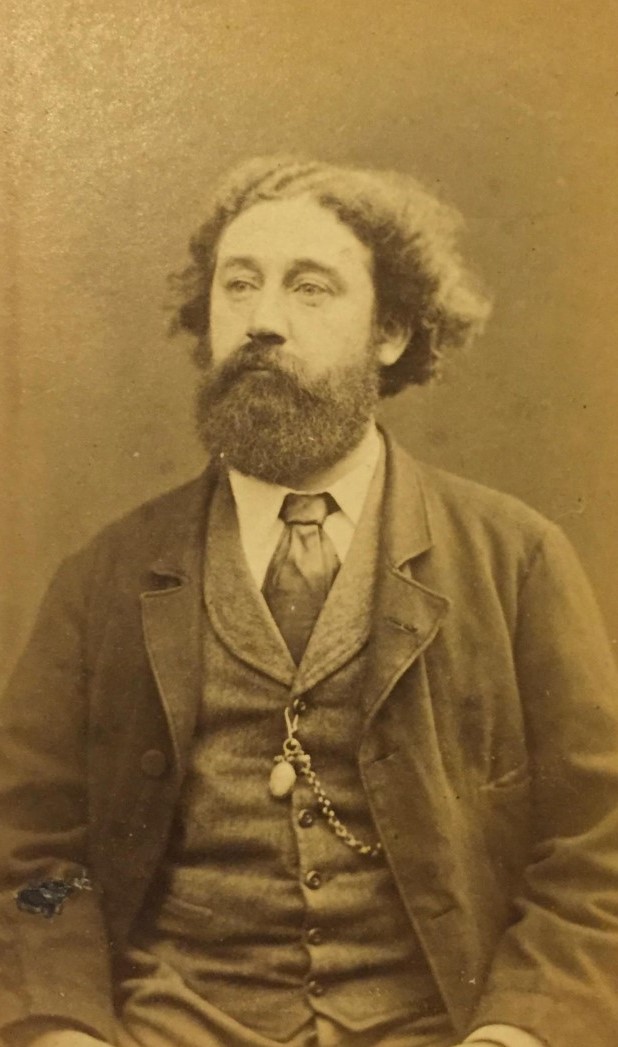
Maurice Joly: Origins of the Protocols of Zion and its Impact on Theosophy
Stories of the Origins of the Protocols of the Elders of Zion AND ITS USE AGAINST THEOSOPHY Maurice Joly, an ill-fated Parisian attorney during the reign of Emperor Louis Napoleon (Napoleon III) lived a life both comedy and tragedy. It is Maurice Joly who wrote the politically satirical Conversations between Machiavelli and Montesquieu in the…
-
Racism, Freemasonry and fighting degeneration of American Politics
A situation I have absolutely no patience for is the condition esotericists everywhere find themselves in. What has been the main obstacle to simple propagation of Theosophy, without any elaborate spiritual explanation? This is gossip, instigation, inner conflict, mass paranoia (an intrinsic feature to American politics), pre-established religious conditioning, hoaxes and the flaws of human…
-

Guenon, Theosophy and Perennialism: Decline of Guidance and Wisdom
INTRODUCTION When I come across modern alternative spiritual teachers constructing new terminology, I am reminded that this has become customary in twentieth-century to present-day. The first generation of Theosophists were not constructing an extensive array of new terminology to baffle people. They were using terminology from schools, traditions and languages directly and then interpretating them…
-

Yevgeny Zamyatin on the Heretics of the World
“The world is kept alive only by heretics: the heretic Christ, the heretic Copernicus, the heretic Tolstoy. Our symbol of faith is heresy.” —Yevgeny Zamyatin On Literature, Revolution, Entropy, and Other Matters
 The American Minervan