THE STANDARD TRADITIONAL SEVEN SAGES OF ANCIENT GREECE
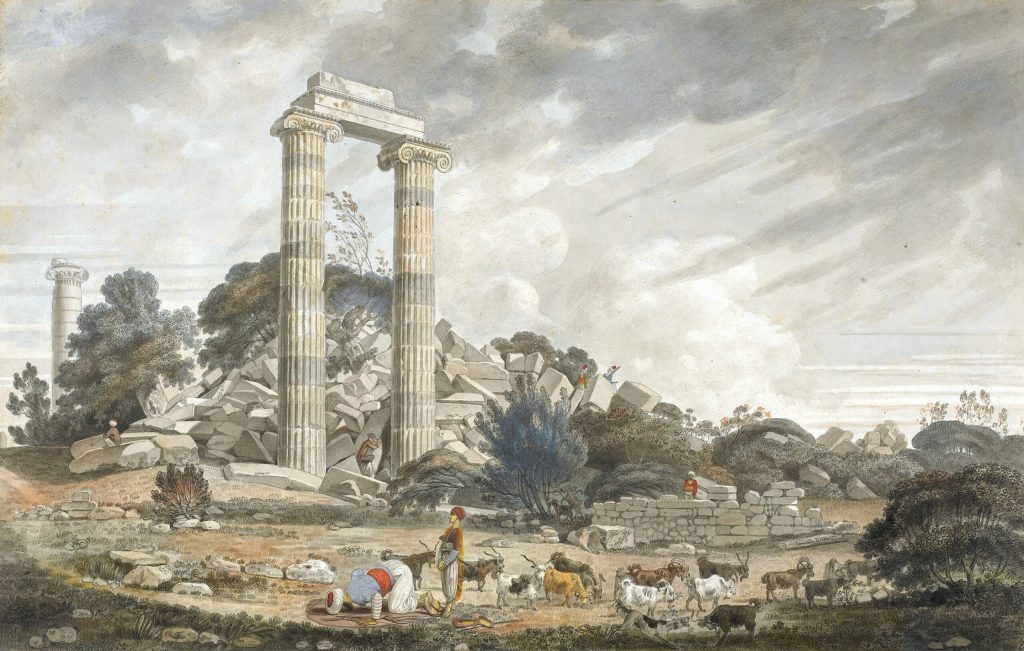
The Seven Sages (or Seven Wise Men) of ancient Greece were a group of renowned statesmen, lawgivers, and thinkers from the 7th–6th centuries BCE, celebrated for their practical wisdom and pithy maxims. Ancient sources vary on the exact list, but the most traditional and commonly accepted ones are included in this article meant to be a brief introduction.
Thales of Miletus (c. 624–546 BCE)
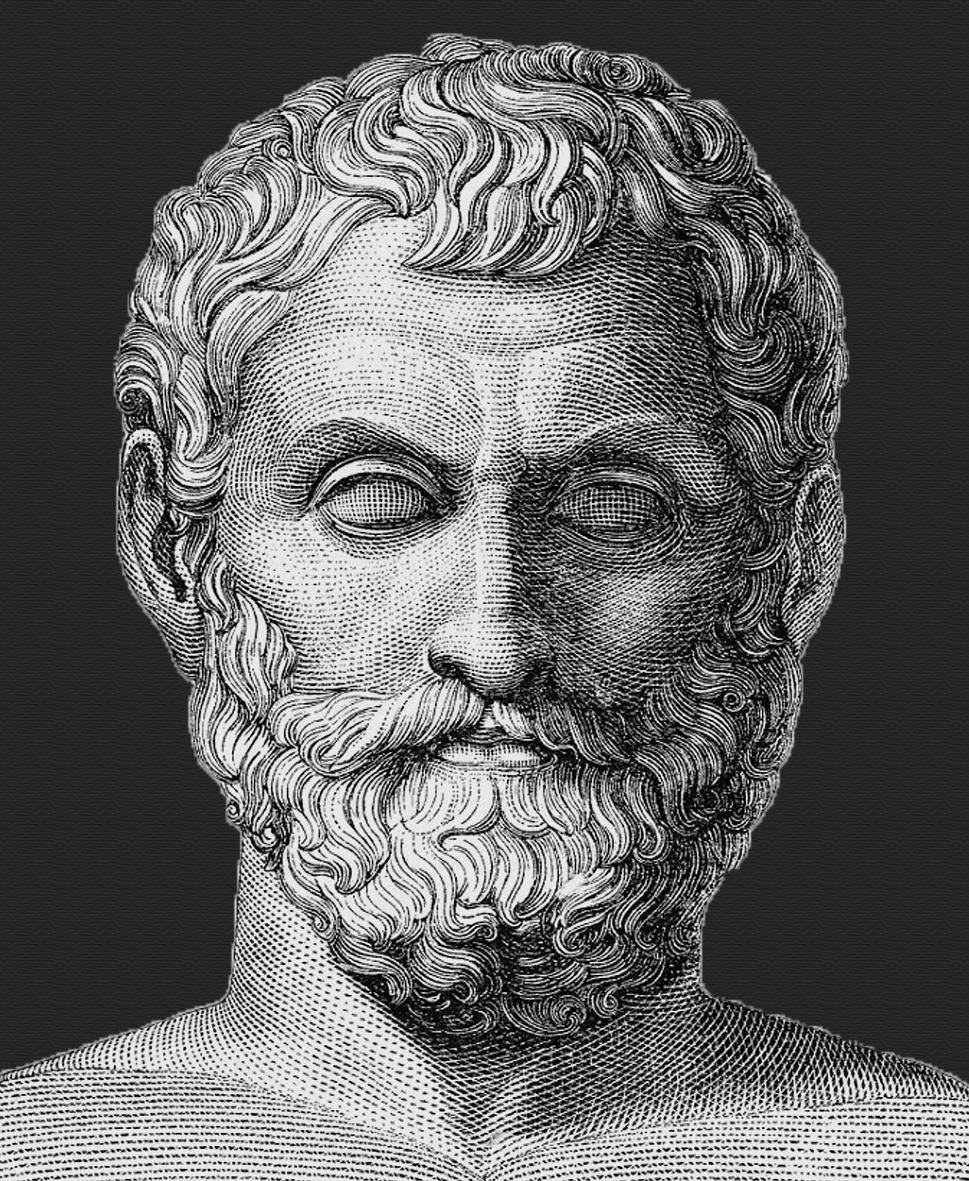
- Origins and School: From Miletus in Ionia; considered the first of the Seven Sages and a founder of the Milesian school of natural philosophy.
- Teachings: Emphasized natural explanations for the world, positing water as the primal substance (arche) from which all things arise; known for astronomy (predicting eclipses, discovering Ursa Minor), geometry; viewed as a wise statesman who advised on politics and engineering.
- Maxim: “To Bring Surety Brings Ruin,” warning against overconfidence.
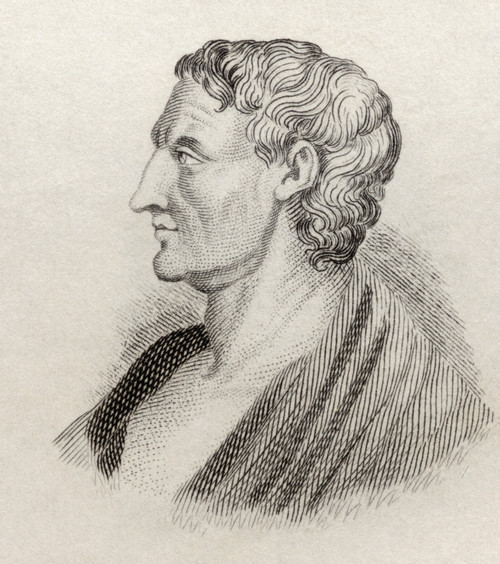
Pittacus of Mytilene (c. 640–568 BCE)
- Origins and School: From Mytilene on Lesbos; Mytilenean military general, statesman and lawmaker, not tied to a formal philosophical school but revered for practical wisdom.
- Teachings: Focused on governance and ethics; ruled as a benevolent tyrant for ten years, reforming laws, e.g., harsher penalties for crimes under intoxication.
- Maxim: “Know Thine Opportunity” emphasized timing in action; and “Forgiveness is better than remorse,” promoted peace and humility.
Bias of Priene (c. 570–530 BCE)
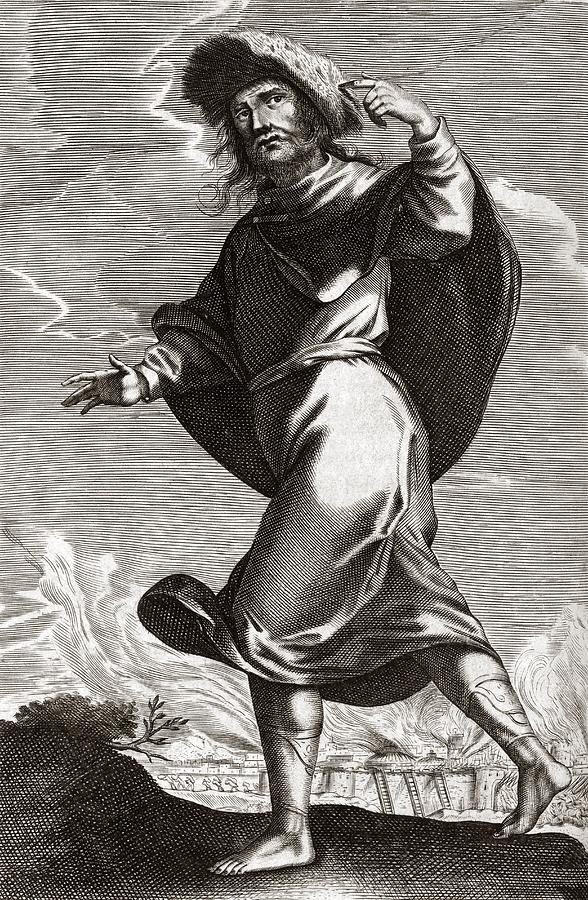
- Origins and School: From Priene in Ionia; a poet, lawyer, and advisor, independent of schools but known for rhetorical and strategic wisdom.
- Teachings: Advocated moral integrity and clever problem-solving; used deception in sieges (e.g., fattening mules to mislead enemies) and supported the vulnerable through poetry and law.
- Maxim: “Most men are bad” and “Too Many Workers Spoil the Work,” critiquing human nature and inefficiency
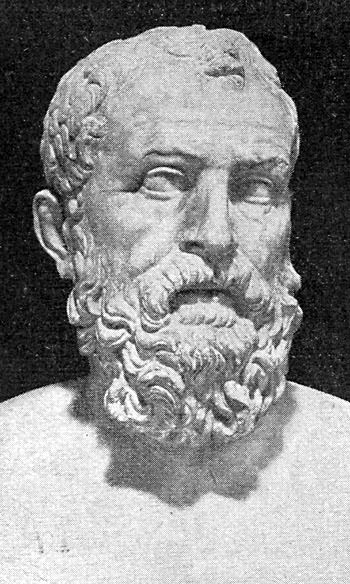
Solon of Athens (c. 638–558 BCE)
- Origins and School: From Athens; a poet, lawmaker, and traveler, foundational to Athenian democracy but not a formal school.
- Teachings: Promoted moderation and justice; reformed Athenian laws with seisachtheia (debt relief), timocracy (wealth-based governance), and jury systems; advised on happiness as lifelong, influencing figures like Croesus.
- Maxim: “Nothing in Excess” stressed balance.
Chilon of Sparta (c. 560 BCE, flourished 6th century BCE)
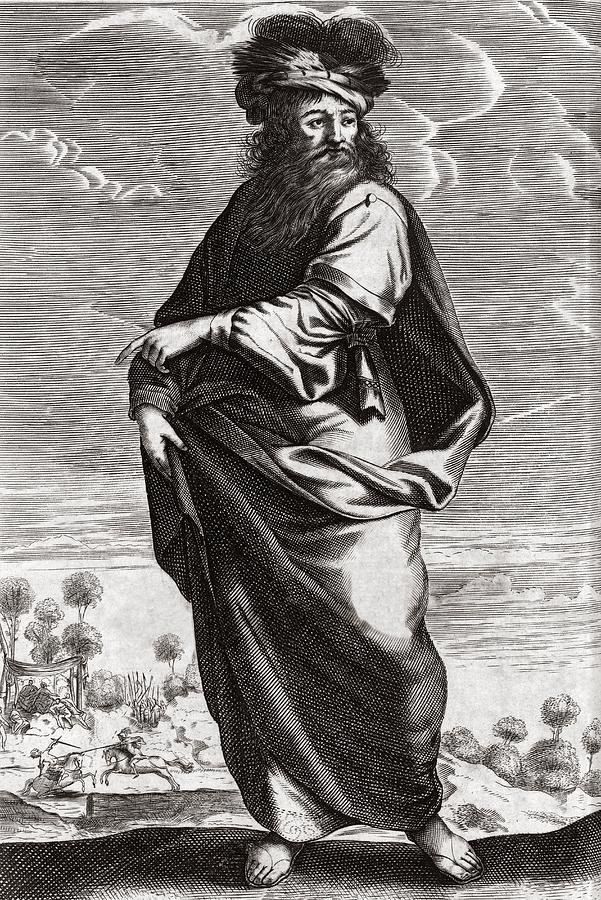
- Origins and School: Spartan politician; an ephor (magistrate) and poet, tied to Spartan political traditions.
- Teachings: Emphasized self-knowledge and restraint; introduced ephors as royal advisors and shifted alliances; died content after his son’s Olympic victory, symbolizing fulfilled life.
- Maxim: “Know Thyself” (inscribed at Delphi) encouraged introspection.
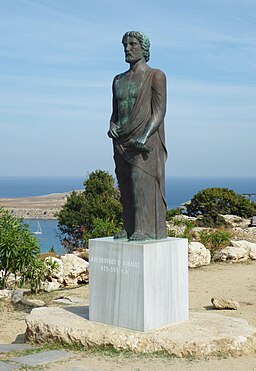
Cleobulus of Lindos (c. 600 BCE, flourished 6th century BCE)
- Origins and School: From Lindos on Rhodes; a tyrant and poet, influenced by Egyptian learning.
- Teachings: Advocated education and moderation; supported women’s learning, created riddles, restored temples, and wrote poetry; claimed descent from Hercules, blending philosophy with rulership.
- Maxim: “Moderation Is the Chief Good”
Periander of Corinth (c. 627–585 BCE)
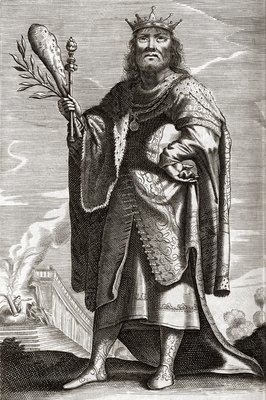
- Origins and School: From Corinth; a tyrant who succeeded his father Cypselus, focused on economic and cultural advancement.
- Teachings: Stressed planning and innovation; built infrastructure (Diolkos shipway), funded arts, and expanded trade; controversial due to tyranny and family scandals, sometimes replaced in lists by Myson of Chenae (c. 600 BCE) for similar ethical reasons.
- Maxim: “Forethought in All Things”
NOTES
Peter Kingsley portrays these pre-Socratic philosophers not as rationalists but as sages in a sacred, shamanic tradition and lineage originating from eastern influences e.g., Phocaea, an ancient Ionian Greek city of Anatolia, transplanted to southern Italy. The schools of these eminent sages emphasized incubation, divine journeys and altered conditions of the mind, forming the spiritual roots of Western civilization, which later shifted to Athens and became secularized. Diogenes Laërtius’ Lives of the Eminent Philosophers is the main source for the list in the second part to follow-up, but an earlier variant of the list of philosophers appears in Plato’s Protagoras (c. 390 BCE), the oldest such list; which replaces Periander with Myson of Chen (or Chenae), a reclusive farmer praised by the Delphic Oracle for his wisdom. Some sources will object, e.g. to including Periander due to his reputation as a harsh tyrant, but I have not excluded him. Other occasional substitutions in ancient lists include Anacharsis the Scythian or Epimenides the Cretan, but the main group described in this first part remain the standard traditional seven. These sages were credited collectively with inscribing famous Delphic maxims such as “Know thyself” and “Nothing in excess” at the Temple of Apollo, emphasizing moderation, self-knowledge, and ethical conduct.
 The American Minervan
Leave a comment