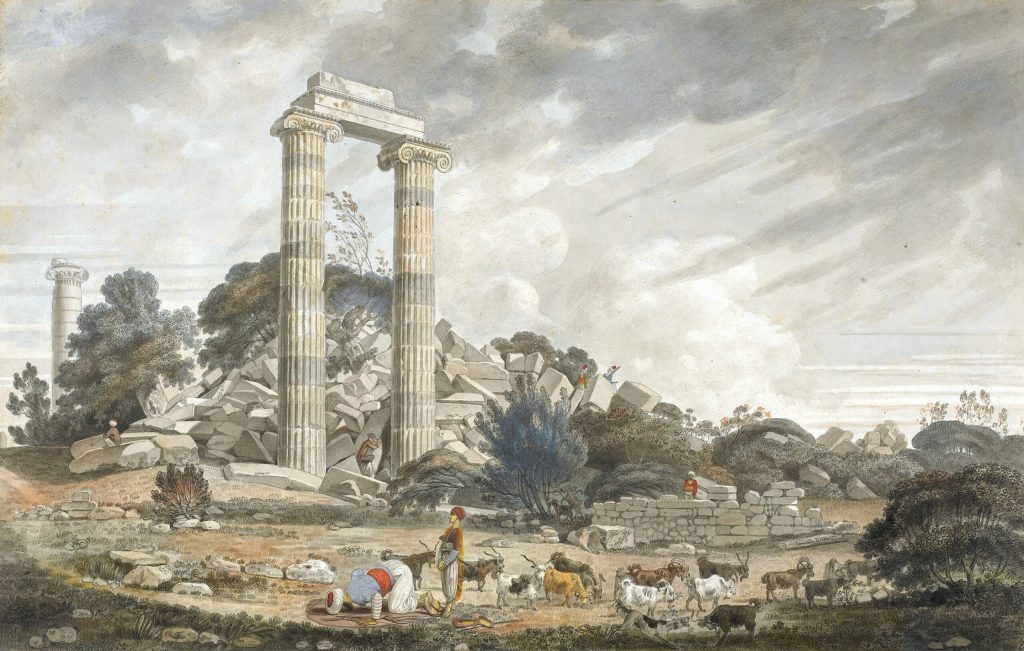
THE TRADITIONAL SEVEN SAGES OF GREECE AND THEIR FAMOUS MAXIMS
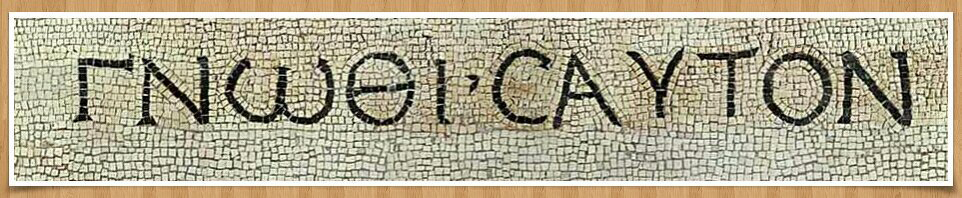
Peter Kingsley portrays these pre-Socratic philosophers not as rationalists but as sages in a sacred, shamanic tradition and lineage originating from eastern influences e.g., Phocaea, an ancient Ionian Greek city of Anatolia, transplanted to southern Italy. The schools of these eminent sages emphasized incubation, divine journeys and altered conditions of the mind, forming the spiritual roots of Western civilization, which later shifted to Athens and became secularized. Diogenes Laërtius’ Lives of the Eminent Philosophers is the main source for the list in the second part to follow-up, but an earlier variant of the list of philosophers appears in Plato’s Protagoras (c. 390 BCE), the oldest such list; which replaces Periander with Myson of Chen (or Chenae), a reclusive farmer praised by the Delphic Oracle for his wisdom. Some sources will object for example to including Periander due to his reputation as a harsh tyrant, but I have not excluded him. Other occasional substitutions in ancient lists include Anacharsis the Scythian or Epimenides the Cretan, but the main group described in this first part remain the standard traditional seven. These sages were credited collectively with inscribing famous Delphic maxims such as “Know thyself” and “Nothing in excess” at the Temple of Apollo, emphasizing moderation, self-knowledge, and ethical conduct.
- Thales of Miletus (c. 624-546 BCE): Often regarded as the first philosopher; associated with “Know thyself” in some traditions.
- Solon of Athens (c. 630-560 BCE): Famous philosopher, lawgiver and poet; known for the maxim “Nothing in excess” through his legislation known as Seisachtheia (the relief of burden) that abolished debts, paving the way for a fairer and social economic order in Athens.
- Bias of Priene (fl. 6th century BCE): Noted for moral sayings like “Most men are bad.”
- Pittacus of Mytilene (c. 640-568 BCE): Statesman and ruler; known for the maxim “Know thine opportunity.”
- Cleobulus of Lindos (fl. 6th century BCE): Tyrant and poet; “Moderation is the best thing.”
- Chilon of Sparta (fl. 6th century BCE): Ephor and lawmaker; “Know thyself” and “nothing in excess” often attributed to him.
- Periander of Corinth (c. 627-587 BCE): Tyrant who advanced Corinth’s prosperity; known for the maxim, “Forethought in all things.”
TRADITIONAL SAGES OFTEN EXCLUDED OR INCLUDED
- Anacharsis the Scythian (6th century BCE): known for the phrase: “Man’s enemy is himself.”
- Myson of Chenae: Known for famously stating: “We should not investigate facts by the light of arguments, but arguments by the light of facts.”
- Epimenides the Cretan (fl. c. 6th century BCE): A semi-legendary seer, prophet, and poet from Knossos, Crete.
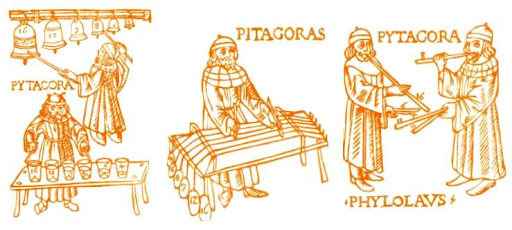
INTRODUCTORY NOTE
One of the reasons I have written this is to inspire us as world travelers, cosmopolitans, students, academics, teachers and so on. To begin, we must understand that if you sought to write a philosophical treatise or found a school (whether intentionally, directly or indirectly), how much the ideal of modern perfection and the modern influencer has crippled human creativity. You just may be the one to found a new school of thought, and it won’t be perfect, but we need to continue to create and push ideas and solutions to positively work off of each other from. Many of these philosophers competed and argued against each other, or drew from each other. As history has gone on and life “got faster,” we are also exhibiting more forgetfulness even apathy, or rather exhaustion with keeping up with the human past, especially with past knowledge that has come before us.
Many people have created an odd and distanced relation to (or perspective about) the ancient past, particularly European past opposite of idealization or romanticization; and also have a mistaken notion about what knowledge is “out-dated” or “obsolete.” I do think modern civilization has veered off-track, and for our present-day institutions and humans themselves to truly function at their height requires far more than artificial intelligence can provide, we need to push our learning and become disciples and masters of philosophy once more.
I will occasionally update these brief entries, providing more detailed intimation of their cosmologies and particular concepts in relation to eclectic Theosophy. The term ECLECTIC THEOSOPHY is what I use as the broader notion of Theosophy (Gr. THEOS + SOPHIA) that is not overlayed with Buddhist, Jaina and Hindu terminology. As demonstrated, within a Western audience, the terminology as theosophist Pablo Sender once suggested is not really needed. If we need to do some analogetic comparative study that includes discourse about classical Hindu philosophy, then fine. I am not the type that really believes in a “Western emphasis” vs. “Eastern emphasis,” but I think Theosophy should express the history, wisdom, aesthetics and language of the region it is set unlike its modern presentation, e.g., if we are talking about classical Greek and Roman philosophy, or Greek esotericism, I do not want to hear, see or read Sanskrit terminology. I could tell in the Greek bookstores of Idra, books on the Seven Greek Sages did not need any pseudo-Hindu jargon to overlay it. This prevents and has definitely prevented people from properly understanding Theosophy and instead leads them to see it incorrectly within “Eastern” vs “Western” framework. The limited and constructed barrier is different in my perspective, e.g., it considers the far-reaching geopolitical reach of Ancient Greece across the Mediterranean and the Black Seas and Levant. I also do not treat the nineteenth-century Theosophical Movement as amateur philosophers, myth interpreters and esotericists like certain haughty scholars have taken pleasure in doing.
You learn what these Pre-Socratic philosophers taught is literally Blavatsky’s commentaries on the keys to THEOSOPHY, and not just unintelligible jargon; and does not necessarily require you to get lost immediately in, e.g., incredibly dense Vedic commentaries. Most people are conditioned by the Christian or Islamic view, and proponents of both have a different sense of relationship to ancient philosophy and in different periods of history. For the theosophist, the subject, purposes, functions and history of Theology1, Science and Philosophy (see “Between these two conflicting Titans — Science and Theology — is a bewildered public”) are in truth synthesized as contributing to a generalist Knowledge of LIFE. This is in contradistinction to a rewritten History of Science thus far, which has distorted and diluted these “foundations of ‘Western Civilization’” as an evolving “rational tradition” against the supposedly magical and irrational traditions of “the Orient” or “the East.”
“One feels a serious doubt whether, with all its intellectual acuteness, our age is destined to discover in each western nation even one solitary uninitiated scholar or philosopher capable of fully comprehending the spirit of archaic philosophy.”
HELENA BLAVATSKY
ORIGINS, SCHOOL AND TEACHINGS OF ALL PRE-SOCRATIC GREEK SAGES
Thales of Miletus (c. 624-546 BCE)
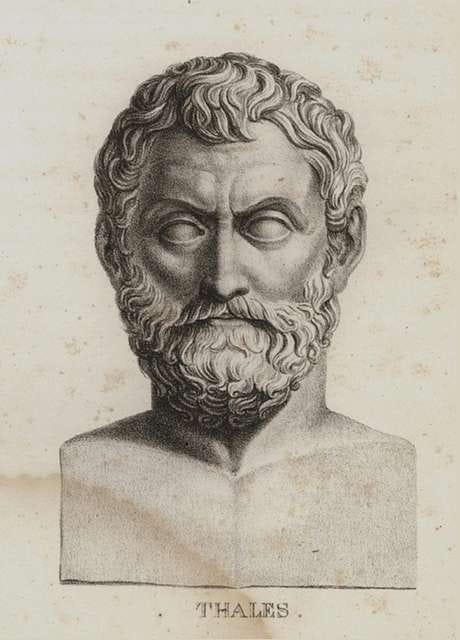
- Origins and School: From Miletus in Ionia; founder of the Milesian school, initiating Western philosophy’s naturalistic inquiry.
- Teachings: Posited water as the fundamental principle (ARCHES) of all things, explaining the cosmos without mythology; all things full of gods and divine power; contributed to astronomy (eclipse prediction) and geometry. Blends mysticism with observation.
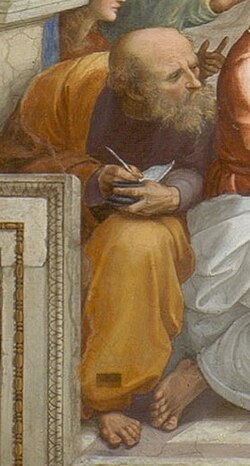
Anaximander (c. 610-546 BCE)
- Origins and School: From Miletus (now in present-day Turkey); Milesian school, pupil of Thales.
- Teachings: Introduced the BOUNDLESS (apeiron) as the eternal source from which opposites (hot/cold) emerge and return in cycles of justice; early evolutionary ideas (humans from fish); invented sundial and maps; emphasizes boundless creative force, aligning with mystical views of an underlying unity.
Anaximenes (c. 585-528 BCE) 🜁
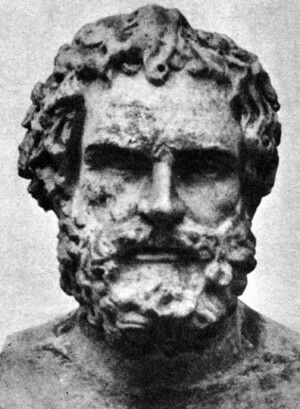
- Origins and School: From Miletus; Milesian school, likely pupil of Anaximander.
- Teachings: Air as the primary substance, transforming through process of rarefaction (to fire) and condensation (to water, earth); air as divine and soul-like; reduces qualities to quantities, continuing naturalistic tradition with hints of a pervasive vital force.
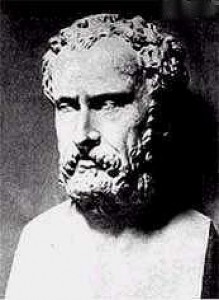
Xenophanes of Colophon (c. 570-478 BCE)
- Origins and School: From Colophon in Ionia; itinerant poet-philosopher, no formal school.
- Teachings: Critiqued anthropomorphic gods, proposing one unified non-anthropomorphic god who moves all by thought; skepticism about human knowledge (maxim: “opinion is allotted to all”); preferred naturalistic explanations for phenomena; challenges traditional myths, prefiguring rational-mystical divides.
Pythagoras (c. 570-495 BCE)
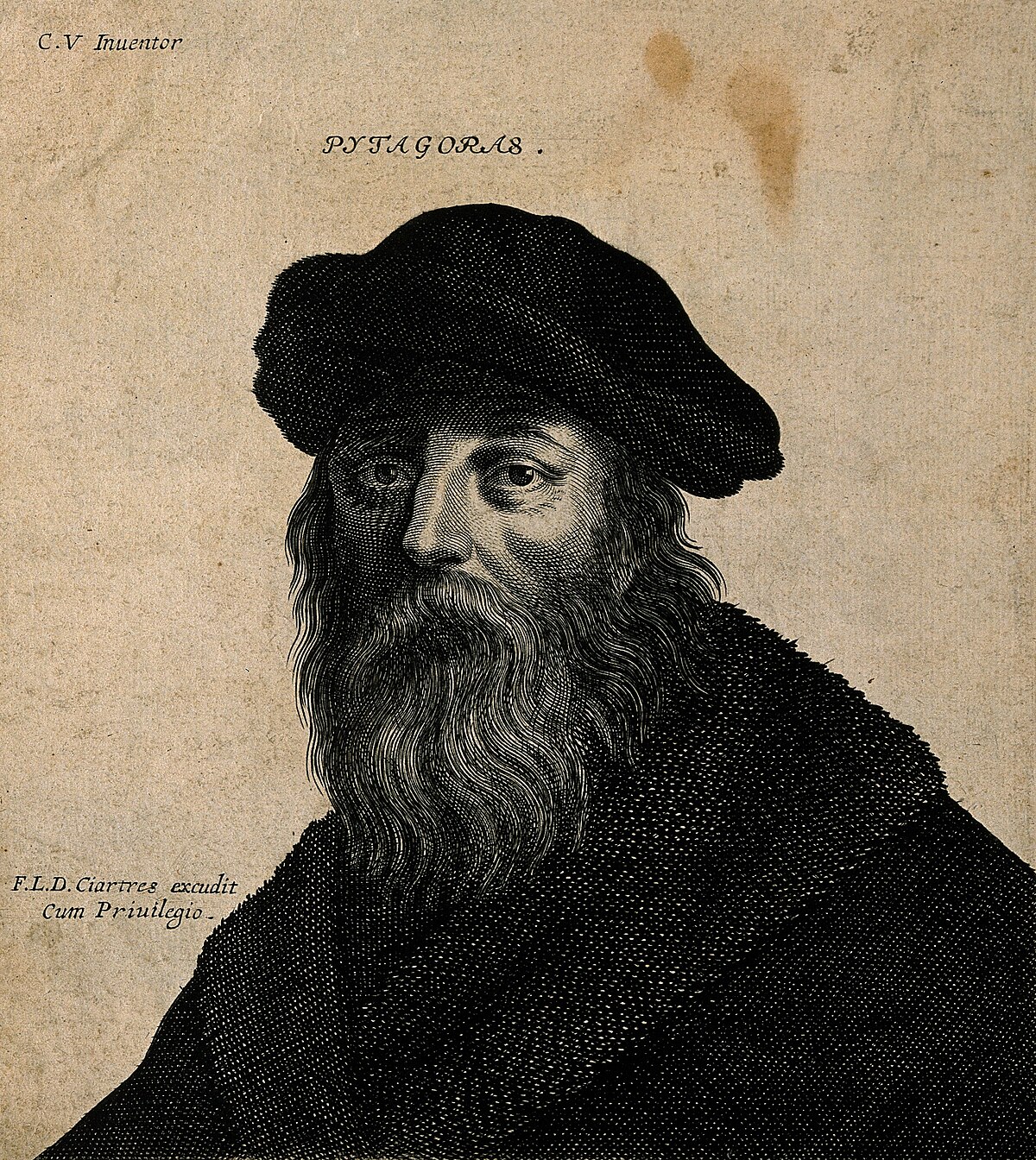
- Origins and School: From Samos, settled in Croton (southern Italy); founded Pythagorean school, blending philosophy, mathematics, and mysticism.
- Teachings: Numbers as cosmic principles; transmigration of souls (reincarnation); harmony of opposites; religious practices (e.g., vegetarianism)
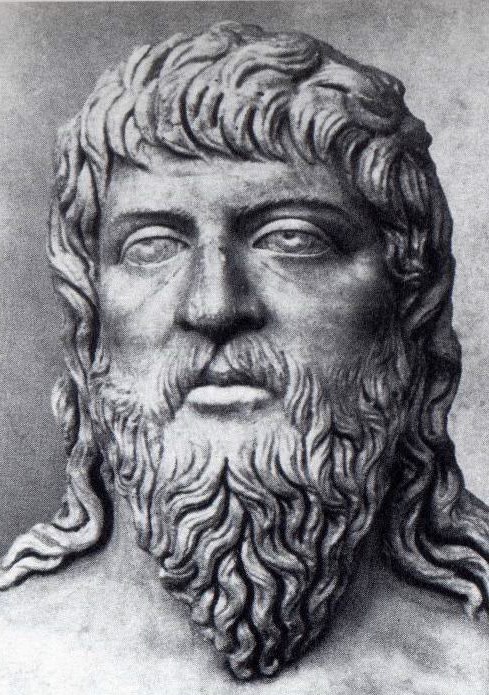
Heraclitus of Ephesus (c. 535-475 BCE)
- Origins and School: From Ephesus in Ionia; independent thinker of the Ionian tradition; belonged to no school.
- Teachings: LOGOS as rational principle governing change; unity of opposites (e.g., road up/down); flux (“everything flows”); FIRE as symbol of transformation; critiques ignorance, emphasizing deeper understanding over senses.
Myson of Chen (or Chenae) (fl. c. 600 BCE)
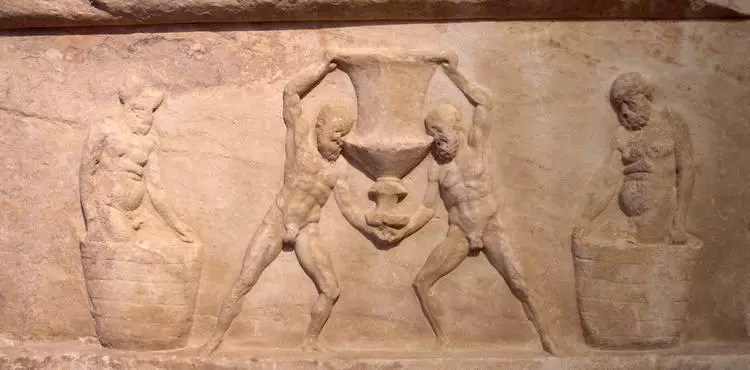
- Origins and School: Myson of Chen (or Chenae) was from a small, obscure village possibly located in either Laconia, Oeta, or Crete. A humble farmer who was famously substituted for the tyrant Periander in Plato’s list of the Seven Sages, representing a shift in emphasis of heritage from political power to private, ethical wisdom, viewing wisdom as distinct from political cunning or autocratic rule.
- Teachings: Taught practicality over rhetoric. Known for a reclusive, misanthropic disposition, he was once found laughing alone; when asked why, he replied, “That is just the reason.” His “school” was one of radical simplicity and self-sufficiency, making him a proto-Cynic figure who valued the “unpolished” life of the peasantry over the sophistry of the city.
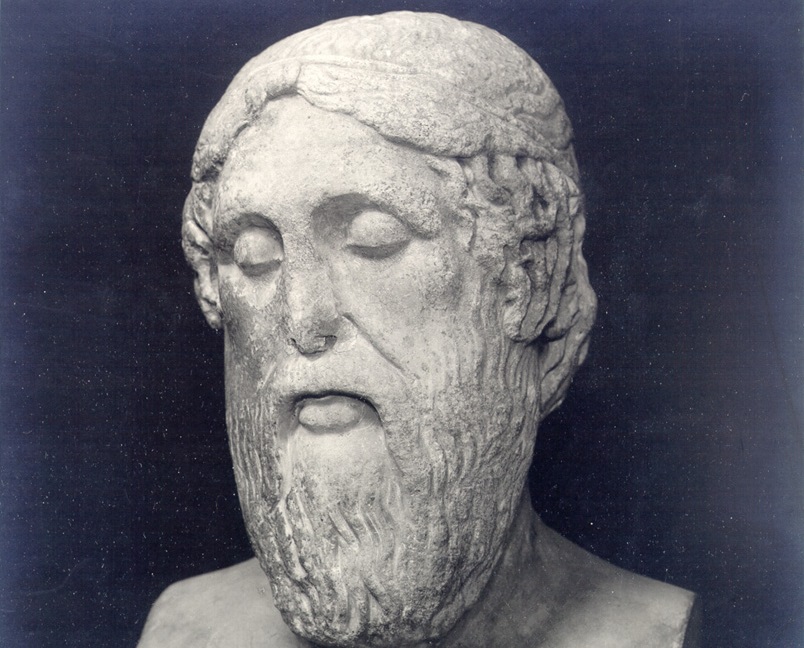
Epimenides the Cretan (fl. c. 600 BCE)
- Origins and School: A semi-legendary seer, prophet, and poet from Knossos, Crete (6th century BCE) often grouped with the shamanic figures of early Greek thought. Although not the founder of a formal school, he is deeply associated with Orphic and Pythagorean mysticism and served as a religious consultant to the state of Athens.
- Teachings: Posited the immortality of the soul and the divine nature of Zeus, famously critiquing his fellow Cretans for claiming Zeus had a tomb (the origin of the “Cretans are always liars” paradox). Expert in purificatory rites (catharsis), he famously ended a plague in Athens by sacrificing sheep on the Areopagus. His works blended theogony (the origin of gods) with practical lawgiving; he is most famous for the legend of his 57-year sleep in a cave, during which he reportedly acquired his prophetic wisdom and secret knowledge of nature.
Parmenides (c. 515-450 BCE)
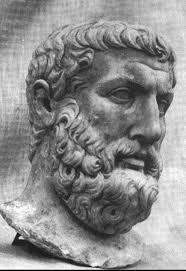
- Origins and School: Originated from Velia (ancient Elea) in southern Italy, a colony founded by refugees from Phocaea; served as a priest of Apollo; founded the Eleatic school, which emphasized monism and influenced figures like Zeno.
- Teachings: Authored a poem describing a mystical journey to a goddess who reveals the nature of reality as unchanging, eternal, and unified; rejected sensory illusions, change, and multiplicity; emphasized that thinking and being are the same, with true awareness achieved through stillness and divine perception; introduced concepts like the spherical Earth and celestial zones. Parmenides was viewed as an iatromantis (healer-prophet) using incubation techniques for experimentation with conditions of mind and the body. His work laid the mystical foundations of Western philosophy and logic, demonstrating a sacred tradition of divine oneness that was later rationalized and distorted.
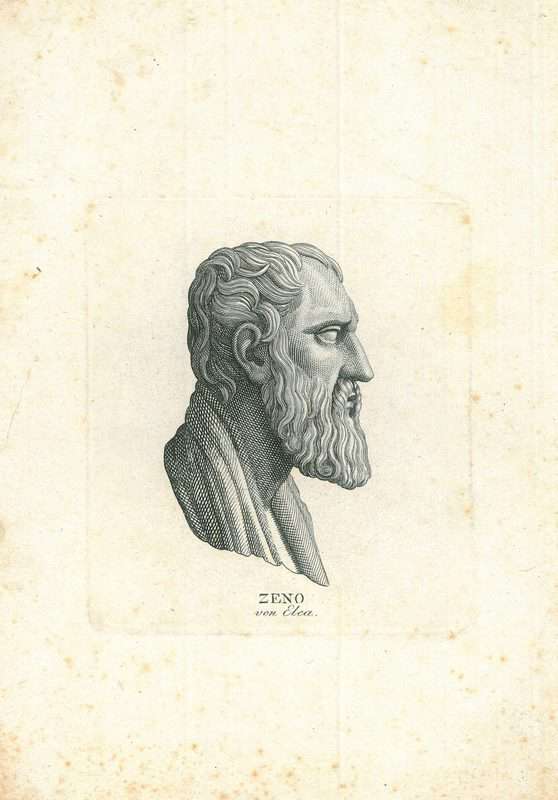
Zeno of Elea (c. 490-430 BCE)
- Origins and School: From Elea; Eleatic school, disciple of Parmenides in Velia.
- Teachings: Developed paradoxes (e.g., Achilles and the tortoise, arrow) to defend Parmenides’ monism, arguing against motion, plurality, and change. Zeno embodied the practical experimentation of philosophical truths through endurance (e.g., his stoic death under torture); and reinforced the sacred roots of logic in Western thought, showing philosophy as a lived spiritual discipline through endurance rather than mere theory, reinforcing sacred logic roots.
Melissus of Samos (fl. c. 440 BCE)
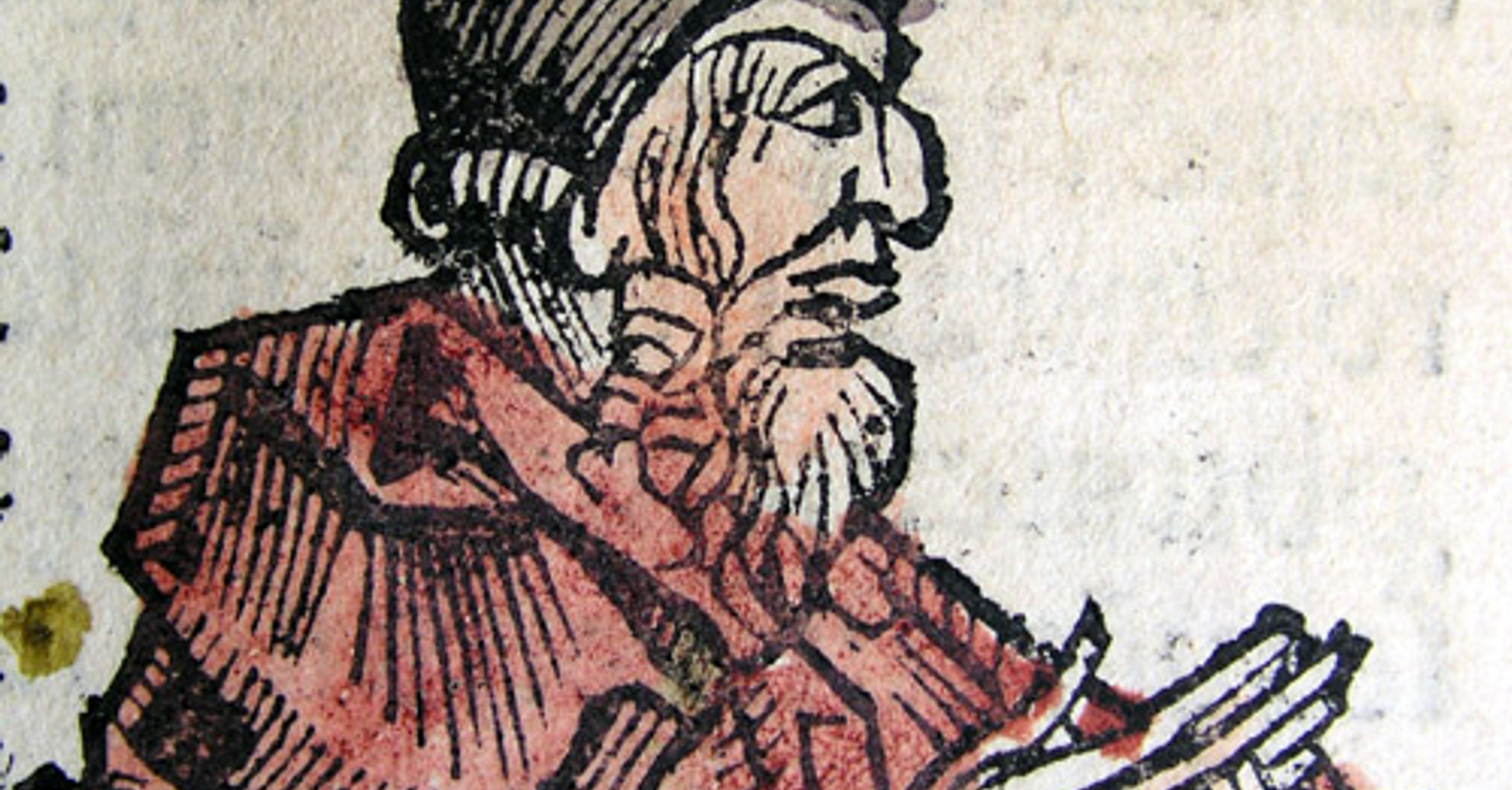
- Origins and School: From Samos; Third and Last member of the Eleatic school.
- Teachings: Being as eternal, unlimited, one, motionless; rejects senses and change; defends Parmenidean monism with arguments against void and plurality.
Empedocles (c. 495-435 BCE)
- Origins and School: From southern Italy (Acragas, modern Agrigento); successor to Parmenides in the Western Greek philosophical line; influenced the development of sophistry through students like Gorgias.
- Teachings: Taught that the world consists of four elements (earth, air, fire, water) cycled by love (unity) and separated by strife; emphasized perceptions as divine gifts implanted in the self, making the universe internal and humans co-creators with the divine; taught transmigration of souls; stressed obedience to divine guidance and the magical power of words. Empedocles is portrayed as a divine figure and healer; his philosophy involved a covenant with the Muse, transforming human consciousness to divine status through inner cultivation; contributed to Western civilization by bridging mysticism and early science, influencing ideas on perception, rhetoric, and the interplay of unity and diversity.
Anaxagoras (c. 500-428 BCE)
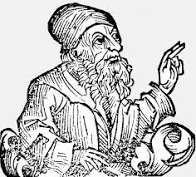
- Origins and School: From Clazomenae in Ionia; pluralist, no formal school.
- Teachings: Infinite seeds mixed by MIND (DIVINE NOUS) as ordering force; everything contains portions or fragments of everything; naturalistic explanations for cosmos and life.
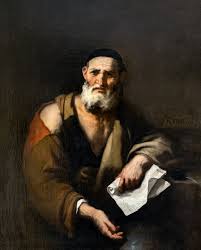
Leucippus (fl. c. 5th century BCE)
- Origins and School: Uncertain origin; of the school of Greek natural philosophers; traditionally credited as the founder of Greek ATOMISM with his student, Democritus, though an earlier candidate for the foundations of early atomism in ancient Greece is Moschus of Sidon. The early atomists were countering the paradoxes of Zeno of Elea on the nature of motion and the infinite divisibility of objects. A hundred years after Democritus, the Hellenistic era led to a revival of the atomist philosophy. Epicureans (341-270 B.C.) formed a community applying atomism to a philosophy of living a pleasant life, (Atomism: Pre-Socratic Philosophy), connecting scientific theory directly to a way of living. The Epicureans were widely read by the U.S. founders and early thinkers and practically applied in some of their lives as a guide alongside Stoic principles.
- Teachings: Infinite atoms and void; all from necessity, no chance; atoms indivisible, varying in shape.
Democritus (c. 460-370 BCE)
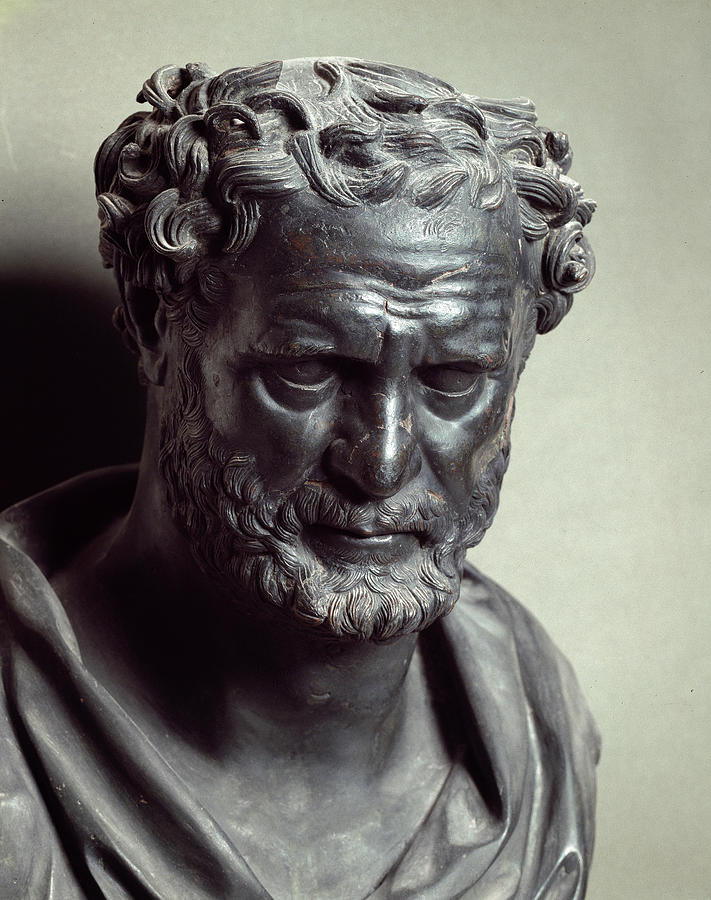
- Origins and School: From Abdera in Thrace; atomist school.
- Teachings: Atoms and VOID as reality; qualities from atomic arrangements; ethics of cheerfulness and moderation; emphasized knowledge through reason over senses.
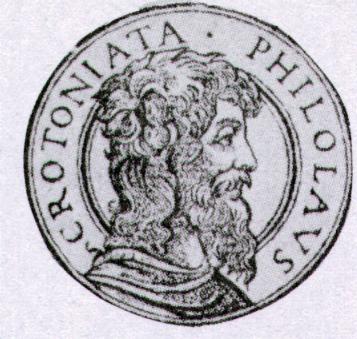
Philolaus of Croton (fl. c. 5th century BCE)
- Origins and School: From Croton in southern Italy; Pythagorean school, mathematician and philosopher.
- Teachings: Cosmos from unlimiteds and limiters in harmony; central fire (HESTIA) as universe center; numbers structure reality; blends mysticism with astronomy.
Diogenes of Apollonia (fl. late 5th century BCE)
- Origins and School: From Apollonia, whether of Crete or Phyrgia (in present-day Turkey) is not known; revives Milesian ideas to synthesize his metaphysical ideas with new discoveries through painstaking observations in anatomy and physiology. He lived most of his life in Athens, where his views were often derided by the playwright Aristophanes, and a constant danger to himself. He is a pioneer in the field of vascular anatomy.
- Teachings: An eclectic, with preference for Anaximenes, and taught what we would call today, Substance monism; infinite AIR as the ONE SUBSTANCE of reality, intelligent substance, god, and soul always in motion; all alterations derived from this infinite AIR; teleological order in cosmos.
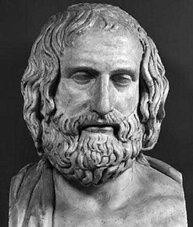
Protagoras of Abdera (c. 490-420 BCE)
- Origins and School: From Abdera; Sophist movement.
- Teachings: “Man is the measure of all things” (relativism); agnostic on gods; truth subjective to perception.
Gorgias (c. 485–380 BCE)
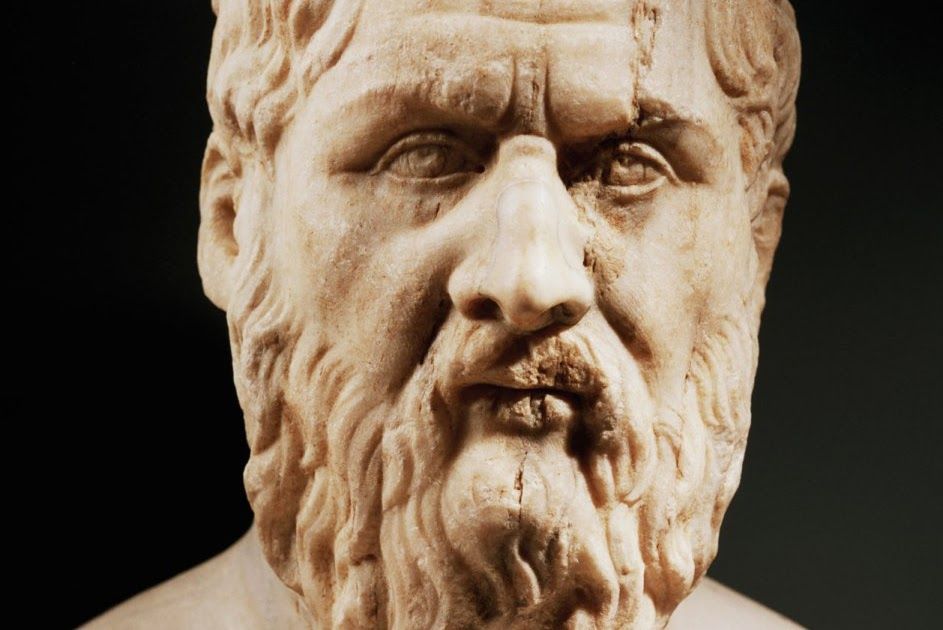
- Origins and School: powerful orator and successor in the line from Empedocles; from Leontini in Sicily, Magna Graecia; considered the father of Sophistry. He ought to be considered as representing a continuation of the mystical tradition.
- Teachings: Argued that reality was not what people thought it to be. He made a fortune teaching the ways of effective argumentation in logical deconstruction while also claiming that truth itself can’t be known or communicated; emphasized the power of LOGOS (speech) as a form of magical persuasion over rational truth. Our understanding of Gorgias treatise “On Non-Being” primarily derives from Sextus Empiricus, a Pyrrhonist philosopher. The expression of his mysticism operated beyond conventional time and senses, using deception to reveal deeper illusions; challenged the rationality of Western philosophy, unveiling it as a tool for divine influence and contributing to rhetoric, skepticism, and the deconstruction of traditional knowledge. This is a very important discipline.
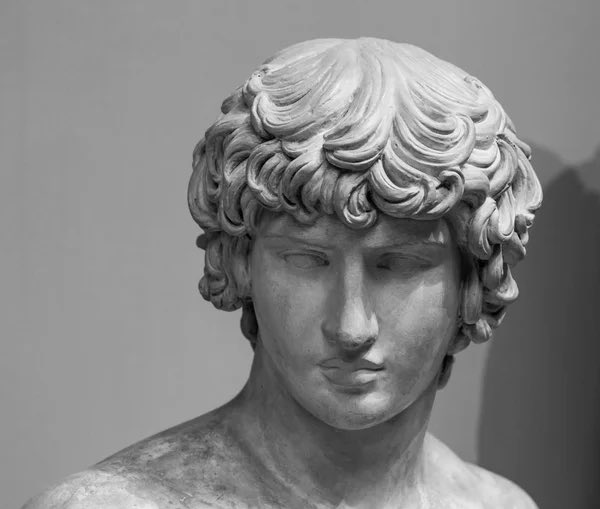
Critias (c. 460–403 BCE)
- Origins and School: From Athens; Sophist, associated with Socrates; aristocratic politician and philosopher.
- Teachings: Taught religion as invention for social control; no gods or afterlife; critiqued rituals; involved in politics and tyranny.
Chilon of Sparta (c. 560 BCE, flourished 6th century BCE)
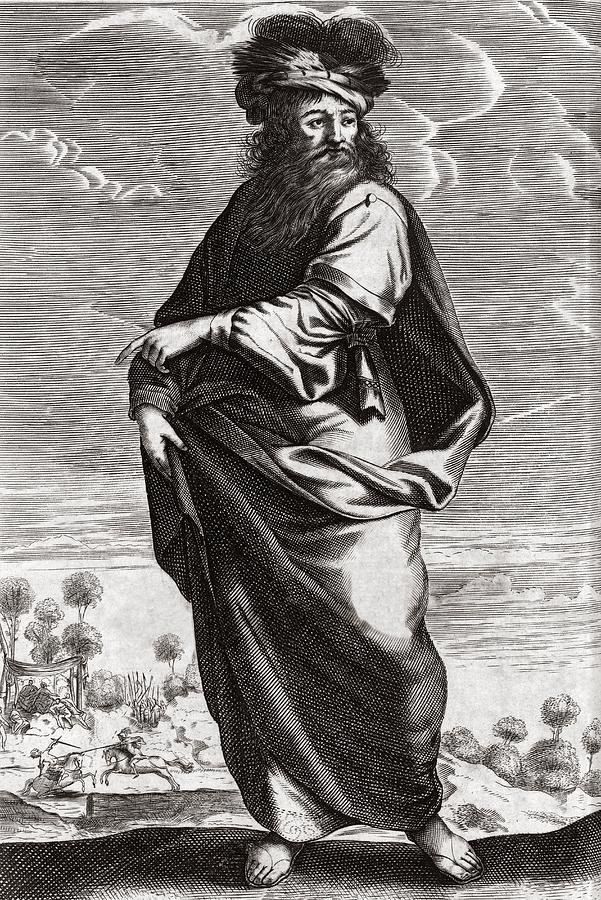
- Origins and School: Spartan politician; an ephor (magistrate) and poet, tied to Spartan political traditions.
- Teachings: Emphasized self-knowledge and restraint; introduced ephors as royal advisors and shifted alliances; died content after his son’s Olympic victory, symbolizing fulfilled life.
- Maxim: “Know Thyself” (inscribed at Delphi) encouraged introspection.
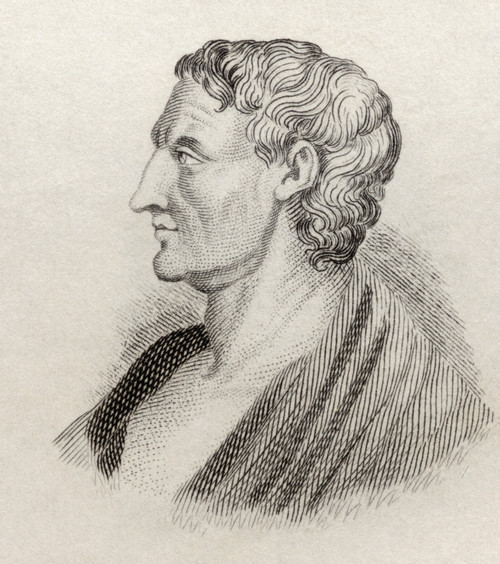
Pittacus of Mytilene (c. 640–568 BCE)
- Origins and School: From Mytilene on Lesbos; Mytilenean military general, statesman and lawmaker, not tied to a formal philosophical school but revered for practical wisdom.
- Teachings: Focused on governance and ethics; ruled as a benevolent tyrant for ten years, reforming laws, e.g., harsher penalties for crimes under intoxication.
Bias of Priene (c. 570–530 BCE)
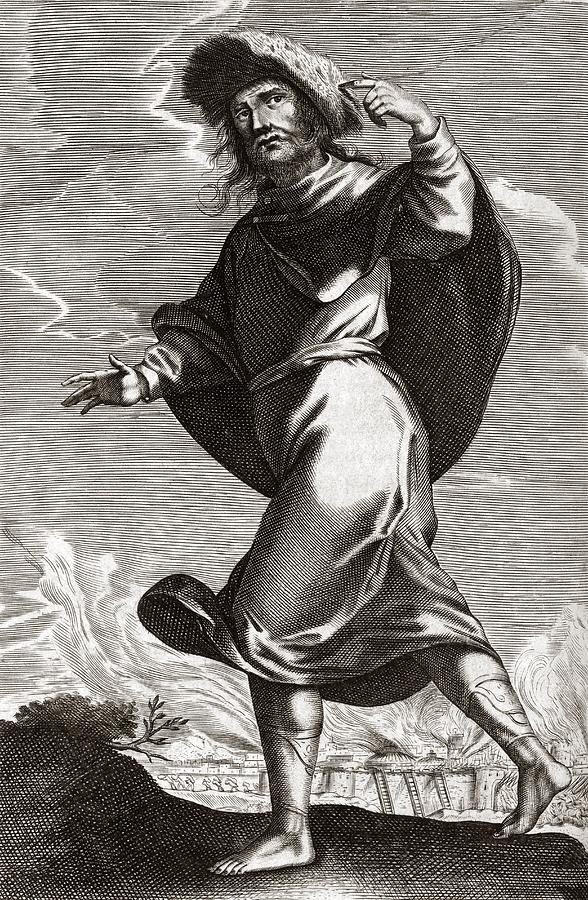
- Origins and School: From Priene in Ionia; a poet, lawyer, and advisor, independent of schools but known for rhetorical and strategic wisdom.
- Teachings: Advocated moral integrity and clever problem-solving; used deception in sieges (e.g., fattening mules to mislead enemies) and supported the vulnerable through poetry and law.
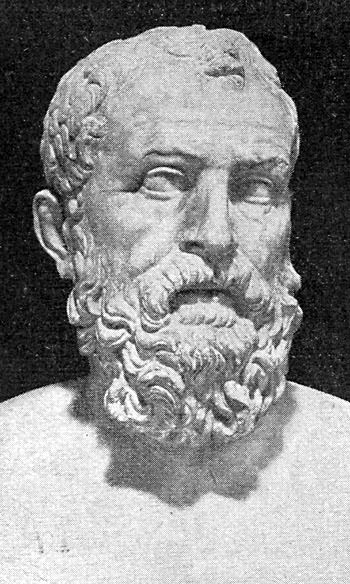
Solon of Athens (c. c. 630-560 BCE BCE)
- Origins and School: From Athens; a poet, lawmaker, and traveler, foundational to Athenian democracy but not a formal school.
- Teachings: Promoted moderation and justice; reformed Athenian laws with seisachtheia (debt relief), timocracy (wealth-based governance), and jury systems; advised on happiness as lifelong, influencing figures like Croesus.
Anacharsis the Scythian (6th century BCE)
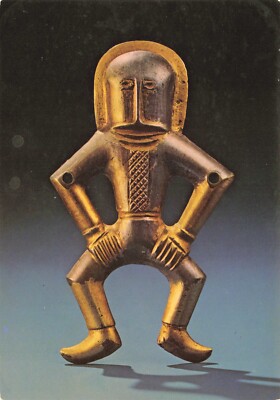
- Origins and School: Son of Scythian king Gnurus and Scythian prince philosopher who became the first foreign resident to receive the rights of an Athenian citizen. Anacharsis the sage was a close friend of Solon; often categorized among the Seven Sages of Greece (the only non-Greek to be so honored), representing the “noble savage” archetype who critiqued civilization from an outsider’s perspective. Anacharsis was from the northern Black Sea region (Scythia) and the son of a Scythian king and a Greek mother. He arrived in Athens during the 47th Olympiad (corresponding to the years 592-589 BCE) burning with a thirst for wisdom and knowledge beyond the nomad steppes according to the historian Sosicrates, who records that Anacharsis arrived during the archonship of Eucrates. When a man named Attitus mocked him as a barbarian for his Scythian origin, he replied “My homeland is a shame to me, but you, by your behavior, are a shame to your homeland.” Killed by his brother Saulius (who became Scythian king after king Gnurus) for adopting Greek customs and renouncing Scythian practices.
- Teachings: Active during the age of Solon’s reforms, he was famous for his laconic wit and social criticism, he famously compared laws to spiderwebs that catch the weak but are torn apart by the strong. Emphasized the importance of moral character over written laws and moderation, particularly regarding wine and speech. His observations focused on the folly of Greek customs such as the paradox of athletes competing for prizes or the strangeness of using money. He served as a precursor to Cynicism, advocating for an enlightened independence; a life lived according to nature rather than fabricated social constructs.
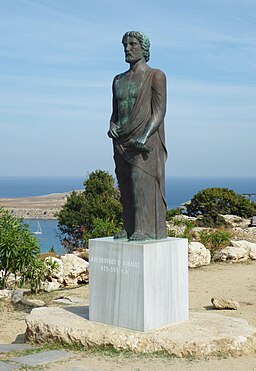
Cleobulus of Lindos (c. 600 BCE, flourished 6th century BCE)
- Origins and School: From Lindos on Rhodes; a tyrant and poet, influenced by Egyptian learning.
- Teachings: Advocated education and moderation; supported women’s learning, created riddles, restored temples, and wrote poetry; claimed descent from Hercules, blending philosophy with rulership.
Periander of Corinth (c. 627–585 BCE)
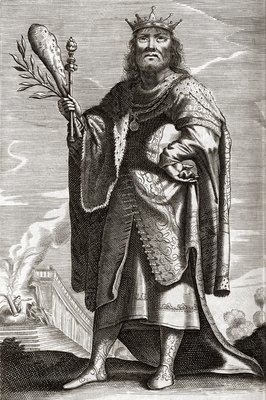
- Origins and School: From Corinth; a tyrant who succeeded his father Cypselus, focused on economic and cultural advancement.
- Teachings: Stressed planning and innovation; built infrastructure (Diolkos shipway), funded arts, and expanded trade; controversial due to tyranny and family scandals, sometimes replaced in lists by Myson of Chenae (c. 600 BCE) for similar ethical reasons.
FOOTNOTE
- As I wrote in Occultism and the Source of Magical Knowledge on defining the term Theologia: The same can be said for theology. Theology is a term dating to the mid 14th c., “meaning the science of religion, study of God, and his relationship to humanity.” It comes from the old French, theologie, or “philosophical study of the Christian doctrine; scripture.” From the Latin, theologia and the Greek theologia, meaning “an account of the gods.” A theologos is “one discoursing on the gods,” from theos a “god,” not just meaning God as in the Abrahamic conception. Theo-LOGIA therefore does not mean “The Study of the God of the Bible alone versus the Demons of Other Nations,” but that is what it has come to mean. Today, theology merely operates as apologetics for a special religion. Theology is really in a greater sense, “the study of the Gods,” the Elements (super-sensible to us), of the Divine NOUS, of ALL-MIND, of MONAS (THEOS as the supreme monad), associated with Ethics, the mysteries of Sound, Language, and Numbers. ↩︎
 The American Minervan
Leave a comment