Skip to content
The American Minervan
Search
About
Religion Approach
Contact
Log in
Archives
Select Month
April 2026
March 2026
February 2026
January 2026
December 2025
November 2025
October 2025
September 2025
August 2025
July 2025
June 2025
May 2025
April 2025
March 2025
February 2025
January 2025
December 2024
November 2024
August 2024
May 2024
March 2024
December 2023
November 2023
October 2023
November 2022
August 2022
June 2022
February 2022
August 2021
July 2021
June 2021
May 2021
April 2021
March 2021
January 2021
December 2020
October 2020
September 2020
August 2020
July 2020
June 2020
April 2020
February 2020
January 2020
December 2019
November 2019
October 2019
September 2019
August 2019
July 2019
May 2019
April 2019
March 2019
February 2019
January 2019
December 2018
November 2018
October 2018
September 2018
August 2018
July 2018
June 2018
May 2018
April 2018
March 2018
February 2018
January 2018
December 2017
November 2017
October 2017
September 2017
August 2017
July 2017
June 2017
May 2017
April 2017
March 2017
February 2017
January 2017
December 2016
November 2016
October 2016
September 2016
August 2016
July 2016
June 2016
May 2016
April 2016
March 2016
February 2016
January 2016
December 2015
October 2015
August 2015
June 2015
Category:
Historical Republicanism
POPULAR POSTS
Witnesses of Morya, the Identity of Koot Hoomi and Connections to Tibet and the Panchen Lama
Civic Republicanism in the Haitian Revolution: Toussaint Louverture and His Influence on John Brown
Prophetic Pluralism and Oracular Enlightenment in Pre-Socratic Philosophy
Alan Watts on American Spiritual Settler Movements: ‘Why America is a Republic and not a Monarchy’
African Traditional Religion: From Nabta Playa to Dynastic Egyptian Mysteries
Helena Blavatsky and the Mahatmas on the Historicity of Jesus
The Contributions of Black American Classicists against Racism
The Early Greek Natural Philosophers of Physis and the Way of Heaven
Kalergi’s Vision of Europe and the Conspiracy against Him
Everything About Lucifer in Ancient Mythology
April 2, 2026
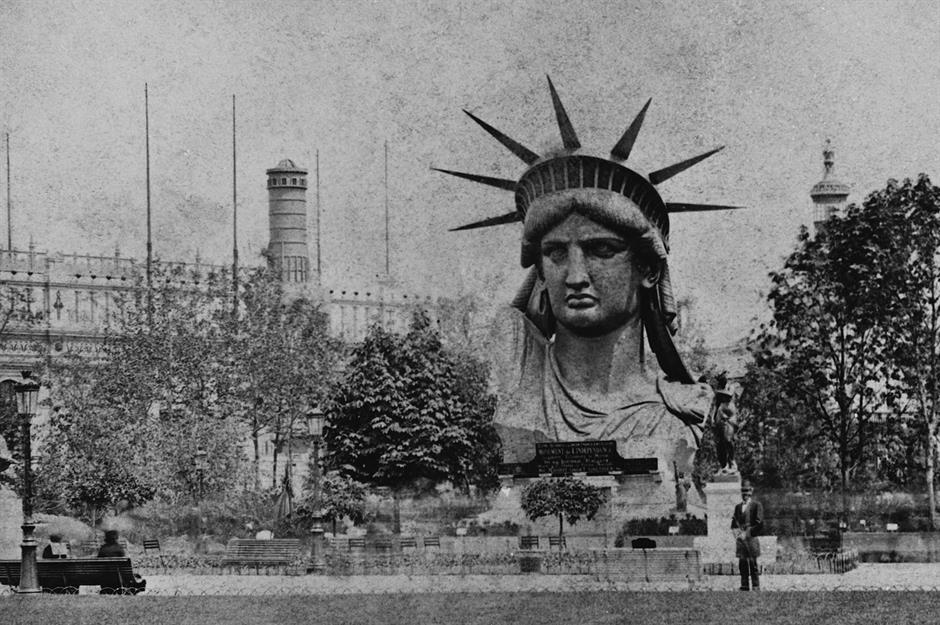
Why the Statue of Liberty isn’t Lucifer: Death of a Stupid Conspiracy
February 26, 2026
The Prophetic Tradition of Fascism against Renaissance Individualism: Vico’s Cycles and Gentile’s Humanism
February 24, 2026
Thomas Jefferson’s Enlightenment Republicanism against Illuminati Panic: Letter on Weishaupt’s Perfectibilist Ideal
February 10, 2026
Bruno Leipold on Influence of Republicanism on Marx in Citizen Marx: Section I and II
February 9, 2026
Critique of Arnaud Bertrand’s “The Civilization that Never needed God”
February 6, 2026
Open Letter: Every Citizen is the Salvation of the Republic
February 3, 2026
Flames of Illumination: Dialogue on Zoroastrian Martialism, Weishaupt’s Pedagogy, and Suhrawardi’s Ishraq
January 30, 2026
Giuseppi Mazzini’s Political Theology on the Origin of Revolution
January 29, 2026
Threat to the Humanities, the Right’s Identity and the Limits of American Civilization
January 24, 2026
The Contributions of Black American Classicists against Racism
January 21, 2026
Classical Republicanism and Stoicism refutes Racial Hierarchies
January 10, 2026
How Lenin and Bolshevism displaced Civic Republicanism with Socialism in Black Radicalism
Subscribe
Subscribed
The American Minervan
Join 98 other subscribers
Sign me up
Already have a WordPress.com account?
Log in now.
The American Minervan
Subscribe
Subscribed
Sign up
Log in
Report this content
View site in Reader
Manage subscriptions
Collapse this bar






 The American Minervan