Category: Theosophy
-
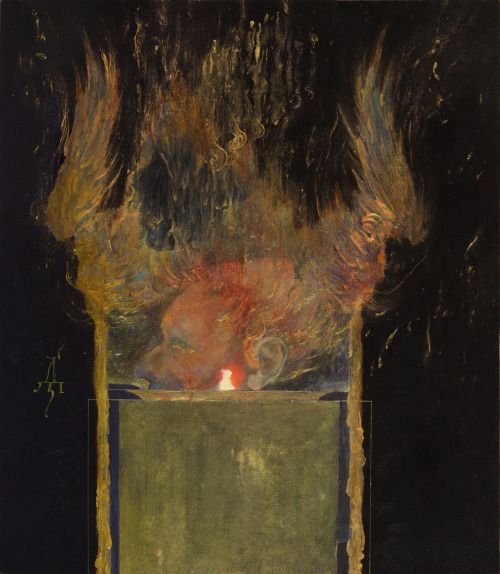
History of a Word: Greek Origin of “Theosophy”
THE NEOPLATONISTS, DIOGENES AND THE GREEK ORIGIN OF THE TERM THEOSOPHY, CHRISTIAN MYSTICISM & THE 1875 THEOS. SOC. There are multiple ways to describe Theosophy, whether technical, mystical, from the special point-of-view of the mystic through their experience, or in describing the ancient wisdom of peoples and religions throughout human history. We must go outside…
-

Tragedy of Satan the Double-Headed Dragon
𓄂𓆃 THE GOD OF THE THEOLOGIANS, JEWISH GOD’S NAME AND THE MYTH OF THE TWIN BROTHERS IT IS A MISTAKE TO VIEW HELENA BLAVATSKY’S DISMANTLING OF BIBLICAL POLEMICS as threatening, even anti-Semitic as she has been falsely accused of. She often spends a great deal explaining just as she does with the history of the…
-

Historical Connection of Born-Again Christianity to 17th century Theosophers, Occultism and Alchemy
Theosophy and Mike A. Zuber on the Nature and Roots of “Born-Again” Christianity traced to the clandestine network of theosophers, Rosicrucians and alchemical Paracelsianism around 1600 are connected to the later spiritual movements of the American settlers. The beliefs of post-liberal Catholic conservatives that Gnosticism is creeping into church theology are mute, against a long…
-

Life’s Greatest Mystery: Victorian Theosophist Anna Kingsford’s Vision Teachings on Satan
𓄂𓆃 ORIGINAL SOURCE OF THE MISQUOTE IN KINGSFORD’S “PERFECT WAY” ON THE SECRET OF SATAN H.P.B. STATES THAT “THE TRUE ESOTERIC VIEW ABOUT “SATAN,” the opinion held on this subject by the whole philosophic antiquity, is admirably brought out in an appendix, entitled “The Secret of Satan,” to the second edition of Dr. A. Kingsford’s…
-

Thaumaturgic Sots, Hankering after Phenomena and Power
“Try to break thro’ that great maya (illusion) against which occult students, the world over, have always been warned by their teachers – the hankering after phenomena. Like the thirst for drink and opium, it grows with gratification. The Spiritualists are drunken with it; they are thaumaturgic sots. If you cannot be happy without phenomena…
-

Alliance of the Fascists, Jesuits and the Vatican
The Church polemic against Freemasonry and Theosophy is the same as the Fascists. The main two adepts associated with the early Theosophical Society did in fact believe in a grand conspiracy about the Jesuit Order. Their letters also exhibit a prevailing prejudice and attitude born out of conflicts between the Gelugpas and Kagyupas for supremacy…
-

Big Think Asks ‘Has Science made Religion useless?’
DO WE STILL NEED RELIGION. Robert Sapolsky, Reza Aslan, Pete Holmes and others from Big Think answered the question, “Has science made religion useless?” So, has Science made religion useless?
-

Four Kinds of Esoteric Sciences in Hindu Philosophy | Helena Blavatsky
Anton Levey once defined Occultism as a “Do it yourself God-kit,” leaving out the significance of ethics, self-discipline and morality. This is not what Occultism is once we explore it. This is to understand Occultism more fully as a Tree with Branches (Practices, Sciences and Departments), not a singular thing, a benevolent nor nefarious thing.…
-
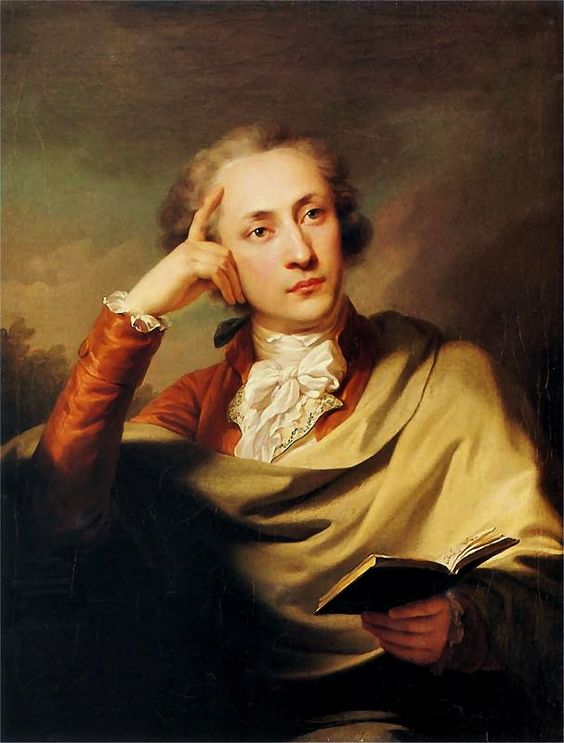
Case of the Masters, their Disciples and Sponsors behind the Theosophical Movement
INTRODUCTION THIS SERIES WILL PROVIDE A BETTER UNDERSTANDING OF THE ROLE AND HISTORY about the “the Masters” that were said to be secret sponsors behind the Theosophical Movement and its operations. These circles of adepts, including their disciples and associates were said to have activities in South Asia, the Middle East, North Africa, the Americas…
-

Spiritual Philosophy without God: Subba Row on Pragna and the God of Theology
Edited December 2023 The positions of Tallapragada Subba Row on PRAGNA are also the doctrine of Samkhya and the Nepalese Svabhavikas on the nature of reality. T. Subba Row attempts to solve in his Collected Writings the issue between Personal God vs. Impersonal God. Subba Row explains, that the theory of a god outside of Space…
-

Getting Technical about “The First Cause”
The word God is generic for a collective, or plethora of beings, a multitude under a unity, and not a singular entity. The “First Cause” is a philosophical conception, that is in-fact, not the same as what is termed, e.g., the “ever Unknowable Eternal Cause.” There’s for example a historical distinction drawn between El’ and…
-

Readings from Isis Unveiled: Man’s Yearning for the Proofs of Immortality
The narration explains some theosophical ideas of H.P. Blavatsky from her early major work, Isis Unveiled on the source and possibility of thaumaturgical powers in man. MEDITATION ON READINGS FROM H.P. BLAVATSKY’S ISIS UNVEILED TITLED “MAN’S YEARNING FOR THE PROOFS OF IMMORTALITY“
 The American Minervan