Skip to content
The American Minervan
Search
About
Religion Approach
Contact
Log in
Archives
Select Month
April 2026
March 2026
February 2026
January 2026
December 2025
November 2025
October 2025
September 2025
August 2025
July 2025
June 2025
May 2025
April 2025
March 2025
February 2025
January 2025
December 2024
November 2024
August 2024
May 2024
March 2024
December 2023
November 2023
October 2023
November 2022
August 2022
June 2022
February 2022
August 2021
July 2021
June 2021
May 2021
April 2021
March 2021
January 2021
December 2020
October 2020
September 2020
August 2020
July 2020
June 2020
April 2020
February 2020
January 2020
December 2019
November 2019
October 2019
September 2019
August 2019
July 2019
May 2019
April 2019
March 2019
February 2019
January 2019
December 2018
November 2018
October 2018
September 2018
August 2018
July 2018
June 2018
May 2018
April 2018
March 2018
February 2018
January 2018
December 2017
November 2017
October 2017
September 2017
August 2017
July 2017
June 2017
May 2017
April 2017
March 2017
February 2017
January 2017
December 2016
November 2016
October 2016
September 2016
August 2016
July 2016
June 2016
May 2016
April 2016
March 2016
February 2016
January 2016
December 2015
October 2015
August 2015
June 2015
Tag:
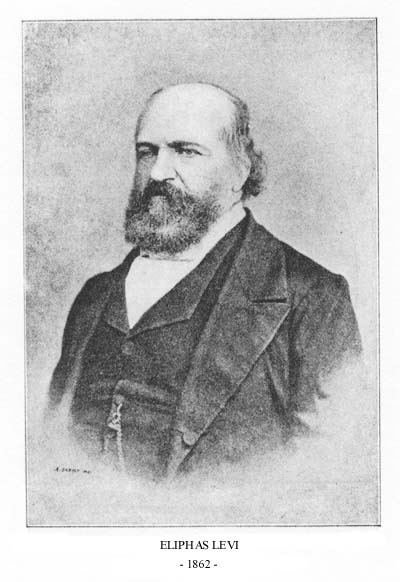
Eliphas Levi
POPULAR POSTS
Prophetic Pluralism and Oracular Enlightenment in Pre-Socratic Philosophy
Speculations about Thakur Singh Sandhawalia: Were the Theosophical Masters Sikh?
Everything About Lucifer in Ancient Mythology
Blavatsky on Masonry, Myths of Political Conspiracy, Socialism and her Social Teachings, Part II
Albert Pike Ponders on Lucifer in Morals and Dogma: Tells Us to Seek the Light of Knowledge
The Fourteen Black Classicists from Michele Valerie Ronnick's Exhibition
The Problem with the New Age “Ascended Master Jesus”
Angelica Balabanoff on Mussolini’s Problem in the “The Young Mussolini” film (1993)
Heraclitus of Ephesus: Philosopher of the Ever-Living Fire in the Ionian Tradition
Marcello Veneziani on the Spirit of Giovanni Gentile’s Actualism and Rebuilding Italy
December 14, 2025
Nahmanides to Theosophy: Views about the Kabbalah
October 13, 2017
Blavatsky questions Eliphas Levi interpretation of the Astral Light and Lucifer
April 29, 2017
Eliphas Levi’s “Warning to the Impudent” on Occultism
April 29, 2017
Letter to Baron J. Spealieri (a Student of Eliphas Levi) on Western Kabbalism
February 25, 2017
The Ancient Religion of the Sacred Fire: Sun-Gods and their Progeny
September 22, 2016
Beelzebub and Baphomet
September 13, 2016
English Magic in Jonathan Strange and Mr. Norrell: If Occultism became Reputable
August 19, 2016
Pseudo-Theosophy and Pseudo-Messiahs: Imitations of Theosophy
Subscribe
Subscribed
The American Minervan
Join 98 other subscribers
Sign me up
Already have a WordPress.com account?
Log in now.
The American Minervan
Subscribe
Subscribed
Sign up
Log in
Report this content
View site in Reader
Manage subscriptions
Collapse this bar






 The American Minervan