Tag: Mythology
-
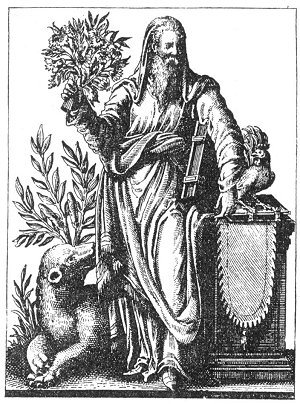
Cosmological Notes on Pythagorean Number Theory, the Vedas and Kabbalah
COSMOLOGICAL NOTES ON THE MATRIX AND THE FIGURE OF THE DECADE The Rig Veda teaches that the one animating principle of all the gods and man is a UNITY. IT is the eternally self-existent one, that lies behind Hiraṇyagarbha (the Womb) and brings forth a Universe. It is from Hiraṇyagarbha that the drama of creation, the first…
-

Beelzebub and Baphomet
Beelzebub (Gr. Βεελζεβούλ., Heb. ba’al z’bub). Described as “Monarch of Hell” (The Secret Doctrine, Vol. 2., 389 fn.) in Demonology. This god is defined as “lord of the flies” in the text of the Torah: 2 Kings 1: 2-3, 6, and 16; and in the Christian canon: Matthew 10:24-26, Matthew 12:22-28, Mark 3:21-26, and Luke 11:14-20, where Iesous…
-

Interpretations of Serpents and Dragons in Theosophy and Ancient Mythology
Part I. ON “Human Serpents” and Immortal Sages: ANCIENT INITIATES CALLED SERPENTS MEANING “Behold, I send you forth as sheep in the midst of wolves: be ye therefore wise as serpents, and harmless as doves.” (Matthew x: xvi) ⊕ “(…) the “Serpent” and “Dragon” were the names given to the “Wise Ones,” the initiated adepts…
-
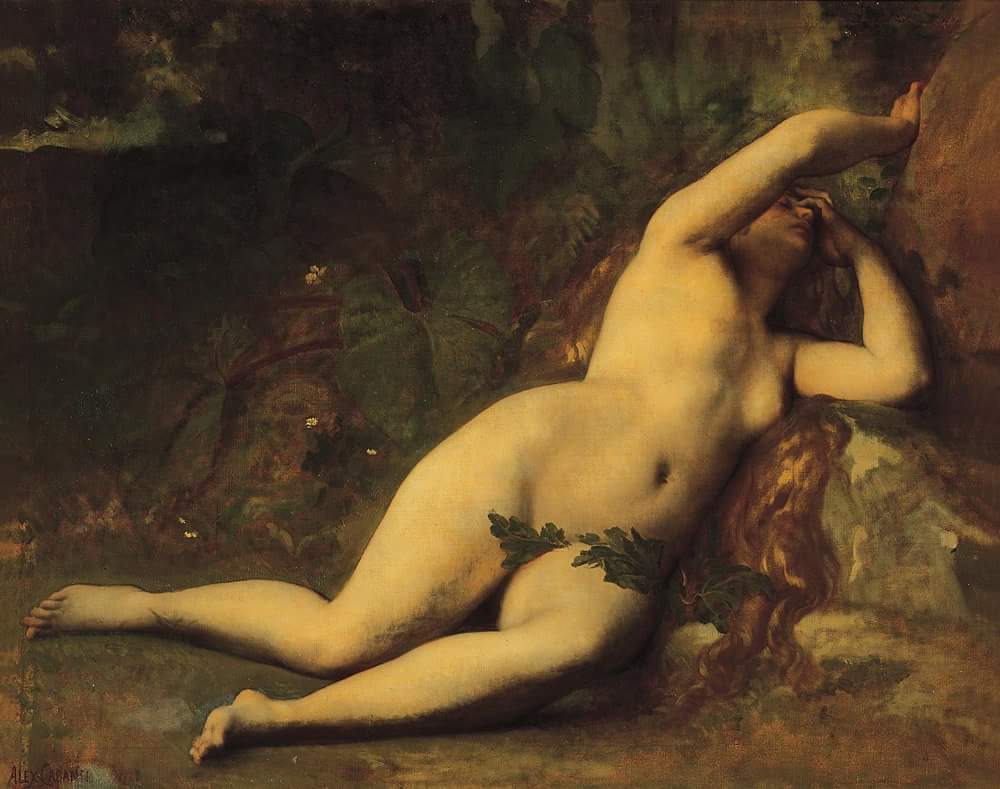
Blavatsky’s Interpretation of the Tree of Life and Tree of Knowledge of Good and Evil
“Were it light alone, inactive and absolute, the human mind could not appreciate nor even realise it (…) According to the views of the Gnostics, these two principles are immutable Light and Shadow, Good and Evil being virtually one and having existed through all eternity, as they will ever continue to exist so long as…
-

Carl Jung on the Greatest Creations of Mythology
“Only the greatest creations of mythology proper could hope to make clear to modern man that here he is face to face with a phenomenon which “in profundity, permanence, and universality is comparable only with Nature herself (F.W.J. von Schelling: Philosophie der Mythologie, Collected Works, II:136).” If we want to promote a real knowledge of…
-

Alexander Wilder on Pagans and the Value of the Classical Religions
Limited Knowledge of Religion in Antiquity The term Pagan, or paganus originally meant, an inhabitant of the village, or a peasant, but came to refer to perverted heretical and heterodox beliefs outside of the theology of the Catholic Church. Therefore, what is considered perverted must come from the devil, hence, idolatrous and pagan. The Jews, Christians,…
-
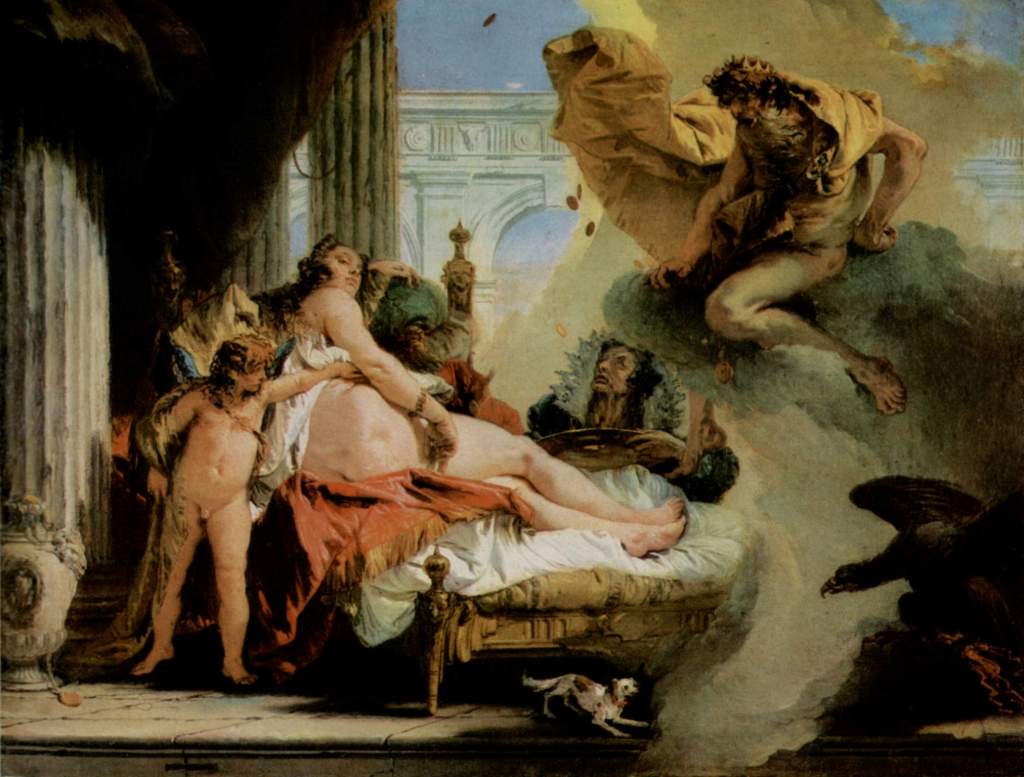
The Different Aspects of Zeus in Greek Mythology: Is Zeus the Highest God?
“These fairy tales are not senseless stories written for the amusement of the idle; they embody the profound religion of our forefathers(…)” (W.S.W. Anson, Asgard and the Gods: Tales and Traditions of our Northern Ancestors) “For a myth, in Greek [[mythos]], means oral tradition, passed from mouth to mouth from one generation to the other; and…
 The American Minervan