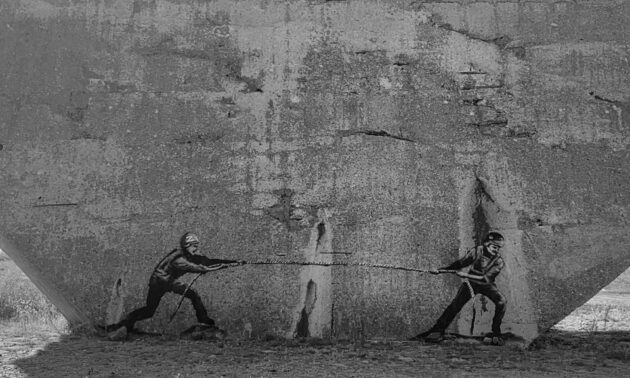
ACADEMIC WRITING AND WRITING FOR BROADER AUDIENCE
There is another difference there between Academic Writing and Writing for Broader Audience, and I do try to bridge the two, without necessarily writing like an Academic. I mention terms and I explain them briefly in parenthesis (or with a synonym or simplified meaning like this). I never want people to feel discouraged when reading my writings. I have hit 528 posts. I hit 500 recently and did not celebrate. My goal now is to produce as many articles as possible on Republicanism as I have for the category of Theosophy, while honing more into the classical sources of Theosophy with explanations and possible corrections to salvage it from rigidity it has acquired. The introductory and bullet-point note taking sets me up for video content.
I am told I explain things better person to person, but that is because physically, I am even more self-conscious about where my audience is in their understanding of the topic or subject, especially if I know them. When I speak, I simplify. When I write, I wax poetic and feel like wildly scribbling all over the page, splatting my thoughts. I call that splatting of thoughts “a slide” mirroring the movement of painting. It is academic writing in school, that forces you for the assignment to learn to organize and structure by rules, guidelines, and format, so apologies if the writing can seem academic sometimes. I do want the writings to be dense and pack details in, but I have tried my best to explain those details. When I first began, I wrote however I wanted to write, and now my writings reflect a struggle of approach, but sometimes I remember, like when I rewrote Solace, Strength and Enlightenment in Mahler’s “Symphony of a Thousand”.
Examples of my favorite style of writing thematically and theatrically when I’m not doing historical narrative writing, which is also my favorite style of writing.
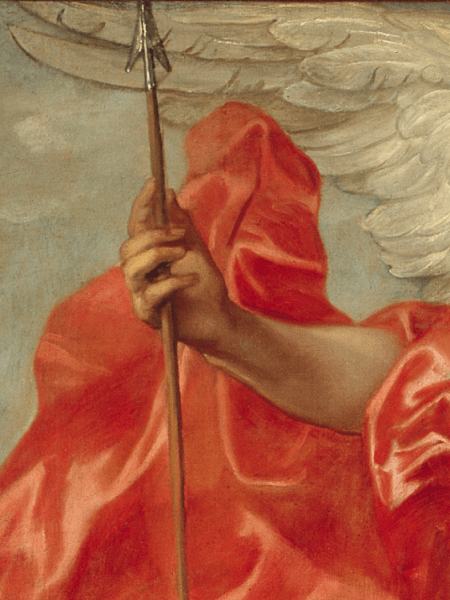
Solace, Strength and Enlightenment in Mahler’s “Symphony of a Thousand”
The wise say, we shall once return from whence we came. You carry a fearsome strength in you. It is courage. Use it. It is the source of your magic. It is the source of your regeneration, of the resurrection within you. “Rise again, yes, rise again…” (MAHLER, FROM DES KNABEN WUNDERHORN, OF URLICHT OR…
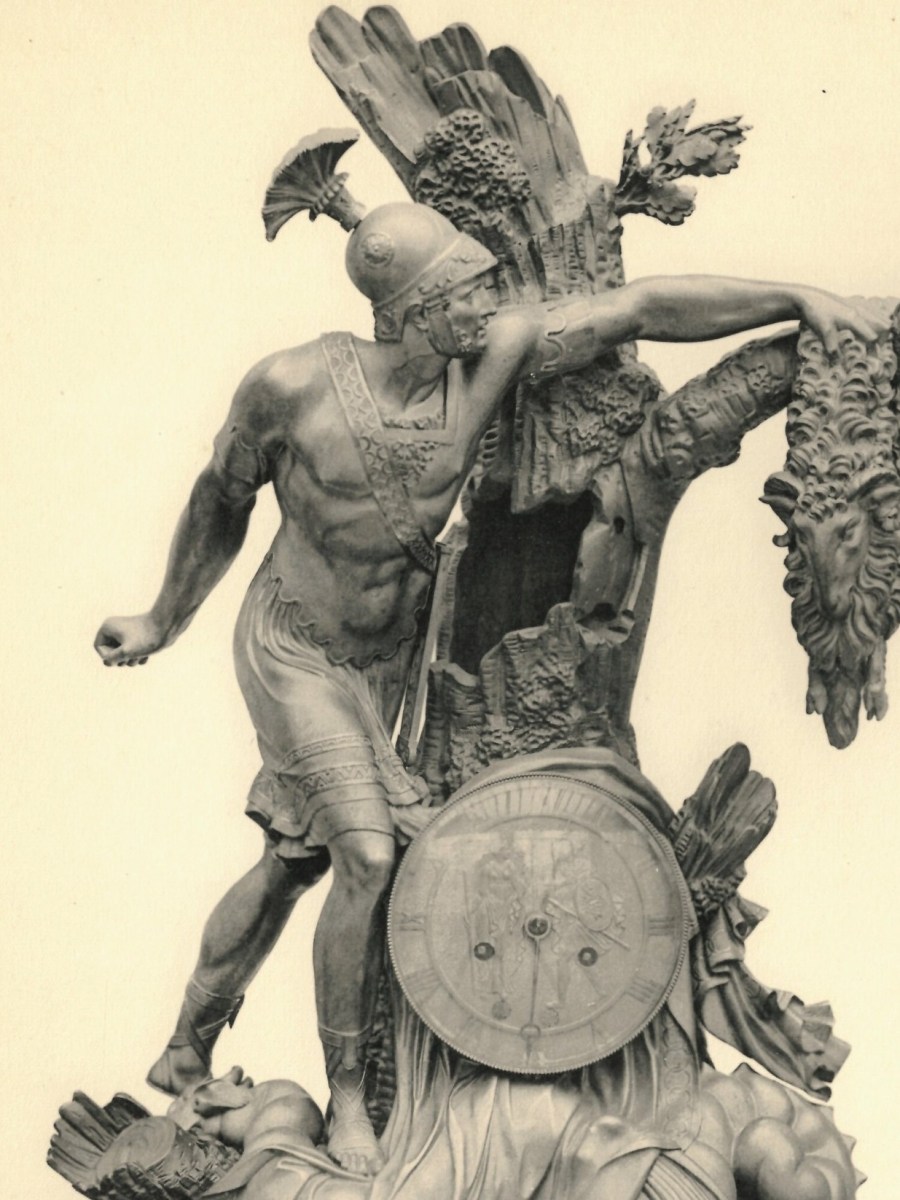
The Liberator-God in Ancient Religion: Salvation and Resurrection of the Initiated
Resurrection of the DEAD and the Liberation of MAN in the MYSTERIES. Initiates, as Lovers of Education and WISDOM. THE DRAMA OF GRADUATION IN THE MYSTERIES Think only the Greeks and Romans celebrated the MYSTERIES? As Francis Bacon once said, Ipsa scientia potestas est (“Knowledge itself is power”)—Meditationes Sacrae, 1597. I must be INITIATED, ere I die!!—Aristophanes, Eirene (“Peace” Comedy). The…
Tragedy of Satan the Double-Headed Dragon
𓄂𓆃 THE GOD OF THE THEOLOGIANS, JEWISH GOD’S NAME AND THE MYTH OF THE TWIN BROTHERS IT IS A MISTAKE TO VIEW HELENA BLAVATSKY’S DISMANTLING OF BIBLICAL POLEMICS as threatening, even anti-Semitic as she has been falsely accused of. She often spends a great deal explaining just as she does with the history of the…
Do I keep it formal and informational, or distant and less opinionated, or do I splat my thoughts onto the canvas like in The Liberator-God in Ancient Religion: Salvation and Resurrection of the Initiated? My purpose in writing is to inspire hope, courage and resilience.
 The American Minervan
Leave a comment