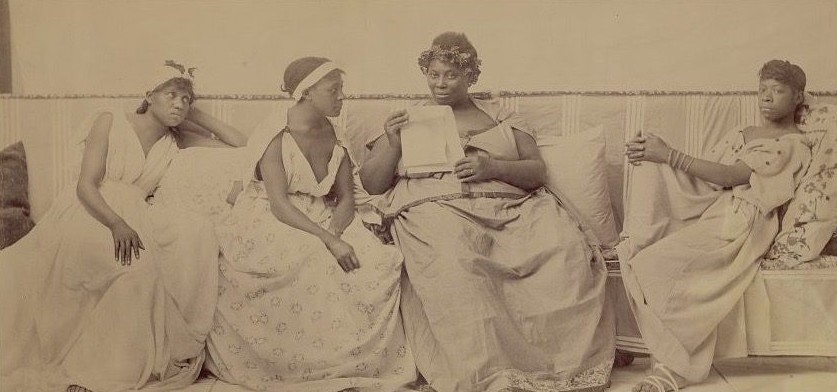
Michele Valerie Ronnick’s traveling photographic exhibition originally focused on twelve BLACK CLASSICISTS debuted in 2003 and was later expanded to fourteen Black Classicists. Ronnick’s exhibition has undergone 50 iterations in 15 years and her project began in the 1990s. This mosaic history displays pioneering Black scholars of Greek and Latin from the late nineteenth and early twentieth centuries, seeking to find people of African descent in the West trained in the traditions of the classics, which was the educational standard for the West for centuries. These individuals overcame enormous barriers such as slavery, segregation, and racist skepticism about Black intellectual capacity to master and teach classics, often at historically Black Colleges and Universities (HBCUs). Their work refuted claims of racial inferiority and advocated for liberal arts education as a path to upliftment and equality. A few of these scholars like Wiley Lane was part of a small but significant group of Black scholars who specialized in Greek and Latin to disprove scientific racism, which at the time claimed that Black people were cognitively incapable of mastering higher subjects. This article continues from Introduction to Black Classical Republicanism: Five Early Figures from Wheatley to Douglass.
FOURTEEN BLACK CLASSICISTS
These scholars’ mastery of classics challenged prevailing racism and enriched “Classica Africana.” The exhibition, funded by the James Loeb Classical Library Foundation has toured widely, including a mural mosaic at Harvard’s Center for Hellenic Studies (Center for Hellenic Studies, Harvard University, Black Classicists: A Mural Mosaic). The Database of Classical Scholars (DBCS) is an online, fully searchable academic resource hosted by Rutgers University, though I have written my own simple book reports. The Database of Classical Scholars provides detailed biographical, bibliographical, and professional information on classical scholars, and experts in Greek and Latin languages, literature, history, archaeology, and related fields from the late eighteenth-century starting around the publication of F.A. Wolf’s Prolegomena zu Homer in 1795 to the present day.
Wiley Lane (1852-1885)
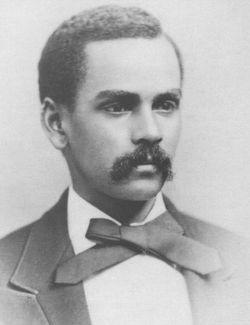
Wiley Lane was born into slavery in Georgia (or possibly North Carolina) and overcame immense barriers to become a pioneering scholar. Self-taught initially despite anti-literacy laws, his formal education began at Pasquotank Colored Normal School in 1869, and he attended Atlanta University and Augusta Institute before earning a Phi Beta Kappa degree from Amherst College in 1879. In 1883, he was appointed the first Black professor of Greek at Howard University, where he lectured brilliantly on topics like Greek art, earning praise from figures like Frederick Douglass. Tragically, Lane died of pneumonia in February 1885 at age 32, just weeks before a planned trip to study modern Greek in Athens. His short career symbolized post-emancipation intellectual aspiration and refuted racist claims of Black inferiority.
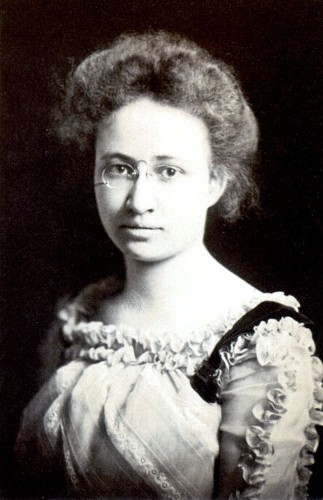
Helen Maria Chesnutt (1880-1969)
Helen Maria Chesnutt, born in Fayetteville, North Carolina, was the daughter of renowned novelist Charles W. Chesnutt. Despite facing racial barriers at Smith College (where she earned a B.A. in 1902 and later an M.A.), she built a distinguished career teaching Latin for over 40 years at Cleveland Central High School, inspiring students like Langston Hughes. Chesnutt co-authored influential Latin textbooks, including The Road to Latin (1932), and staged elaborate school productions for Virgil’s bimillennial in 1930. An active member of the American Philological Association (1920–1934), she later wrote a biography of her father, Charles Waddell Chesnutt: Pioneer of the Color Line (1952). She represented Black women’s contributions to classical education amid gender and racial challenges.
William Sanders Scarborough (1852-1926)
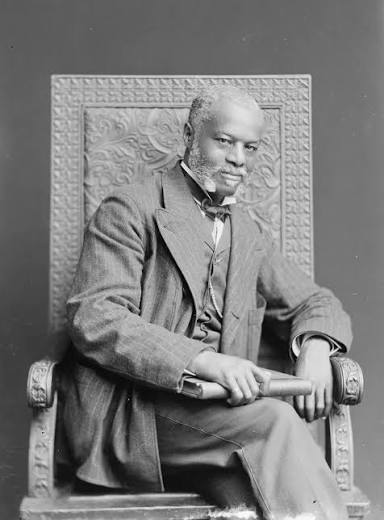
Born enslaved in Macon, Georgia, William Sanders Scarborough secretly learned to read and write before emancipation. He graduated from Atlanta University and Oberlin College, authoring First Lessons in Greek (1881), the first Greek textbook by an African American. A longtime professor and later president of Wilberforce University, he was the first Black member of the Modern Language Association and joined the American Philological Association in 1882. Scarborough’s scholarship and autobiography (edited posthumously) refuted racial inferiority myths, advocating liberal arts for Black upliftment. His interracial marriage and international lectures highlighted his boundary-breaking life.
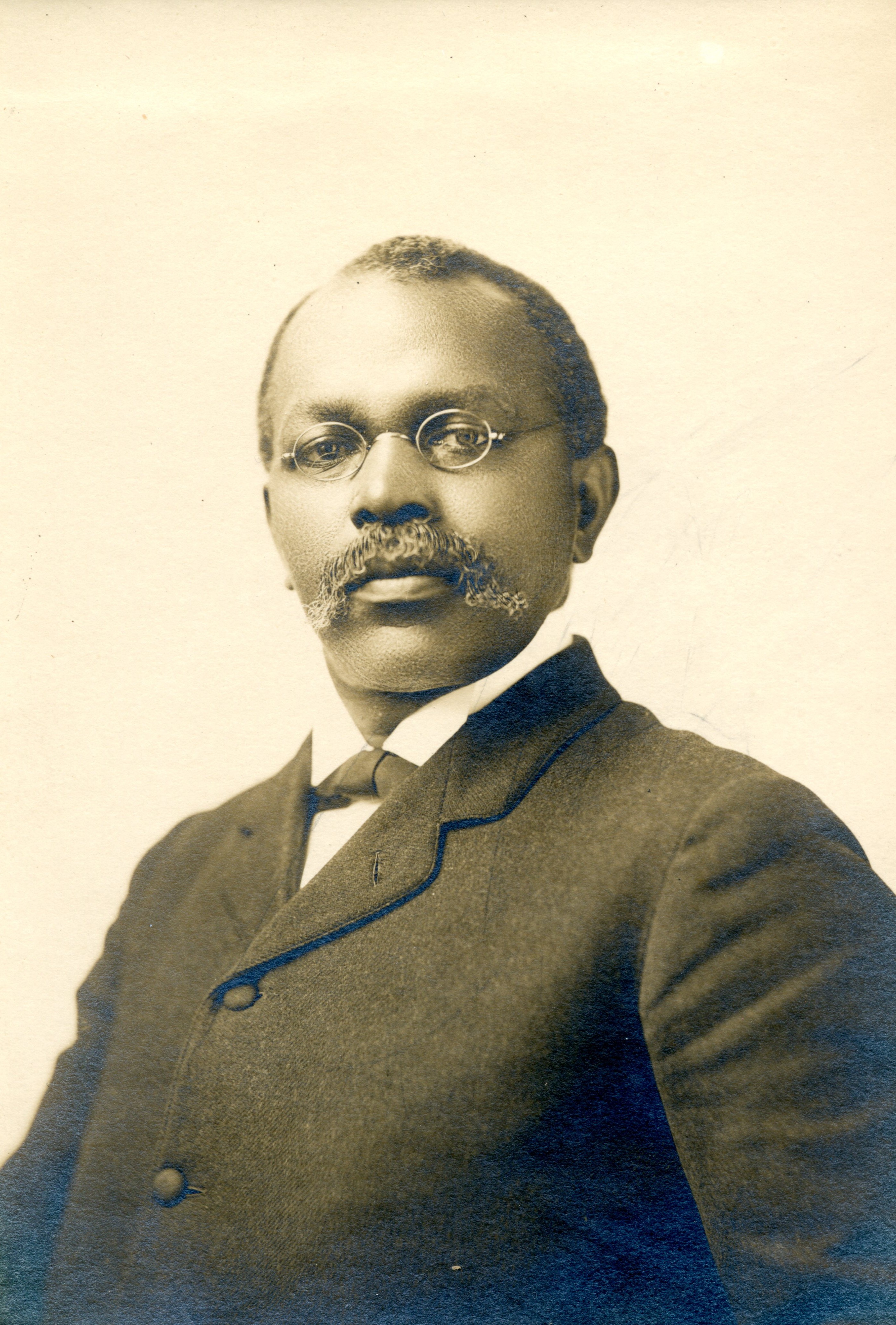
John Wesley Edward Bowen (1855-1933)
Born in New Orleans and freed shortly after, John Wesley Edward Bowen graduated from the University of New Orleans in 1878 before earning advanced degrees in theology. He taught Greek and Latin at Central Tennessee College and became a prominent Methodist theologian, editing journals and advocating higher education for African Americans. As president of Gammon Theological Seminary (1906–1910), he sheltered people during the 1906 Atlanta race riot, enduring beatings himself. Bowen’s multifaceted career blended classics, theology, and racial uplift, influencing debates on Black intellectualism.
John Wesley Gilbert (1864-1923)
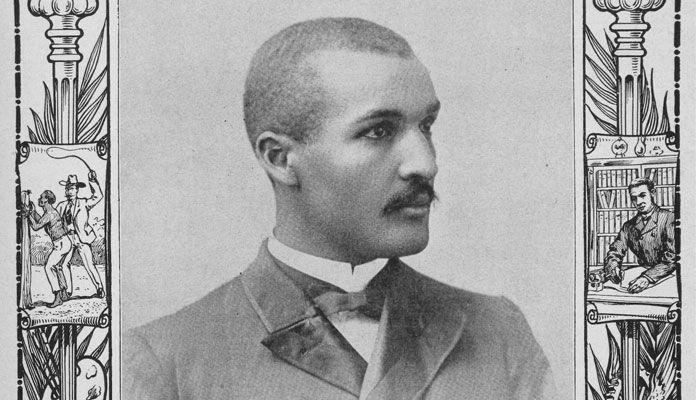
Considered the First Black Archaeologist, Exploring the Life and Work of John Wesley Gilbert delves into his life. Born into slavery in Georgia, John Wesley Gilbert became Paine College’s first graduate and African American professor. Earning an M.A. from Brown University, he was the first Black scholar at the American School of Classical Studies in Athens (1890–1891), conducting groundbreaking archaeology in Eretria. A missionary in the Congo and advocate for interracial cooperation, Gilbert taught classics at Paine for over 30 years, mentoring figures like John Hope. His life bridged scholarship, faith, and activism, earning him recognition as America’s first Black archaeologist.
Frazelia Campbell (1849-1930)
Born in Charleston, South Carolina, Frazelia Campbell graduated from Philadelphia’s Institute for Colored Youth in 1867, likely influenced by Fanny Jackson Coppin. She taught Latin, German, and Spanish there before moving to Allen University in South Carolina, where she instructed classics until around 1912. One of the earliest Black women classicists, Campbell published on topics like Tacitus’s views on German women, contributing to racial uplift through education in the post-Reconstruction South.
William Henry Crogman (1841-1931)
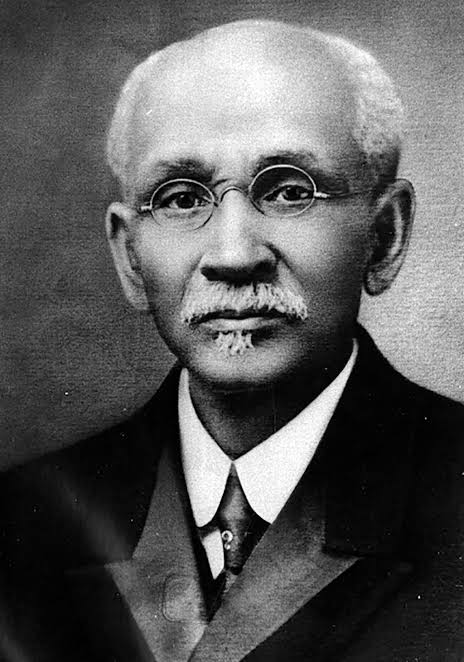
Orphaned young in the Dutch Caribbean, William Henry Crogman sailed internationally before settling in the U.S., attending Pierce Academy and Atlanta University. A professor of Greek and Latin at Clark University (later Clark Atlanta), he co-authored Progress of a Race and advocated classical education. Serving as Clark’s president (1903–1910), Crogman embodied liberal arts ideals for Black advancement amid vocational training debates.
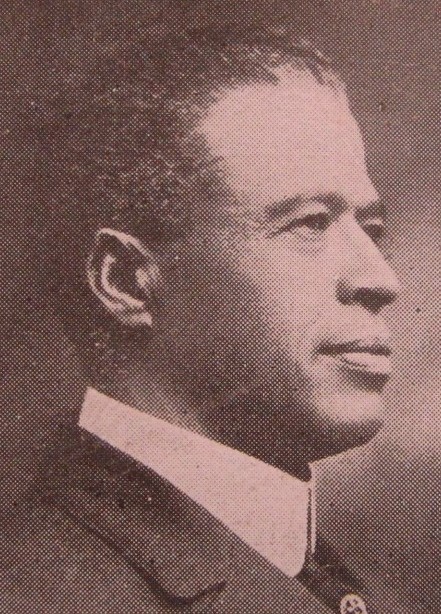
Reuben Shannon Lovinggood (1864-1916)
Born in poverty in South Carolina, Reuben Shannon Lovinggood graduated with honors from Clark University in 1890. He developed classics programs at Wiley College and became president of Samuel Huston College (1900–1916), establishing Latin and Greek there. A churchman and race leader, Lovinggood’s presidency advanced higher education in Texas for African Americans.
Edward Wilmot Blyden (1832-1912)
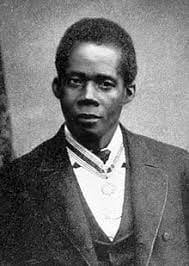
Born in the Danish West Indies, Edward Wilmot Blyden emigrated to Liberia in 1851, becoming a polyglot classicist and professor/president at Liberia College. A Pan-Africanist diplomat, he used classics to argue for African civilization’s antiquity, influencing Liberia’s republican ideals while controversially debating indigenous inclusion.
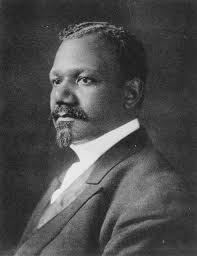
Lewis Baxter Moore (1866-1928)
Born in Huntsville, Alabama, Lewis Baxter Moore earned degrees from Fisk University and became the first African American Ph.D. from the University of Pennsylvania (1896), with a dissertation on Sophocles. Teaching classics at Howard University (1895–1920) and serving as dean of its Teachers’ College, Moore advanced philological scholarship and pedagogy while contributing to community efforts like the YMCA.
Richard Theodore Greener (1844-1922)
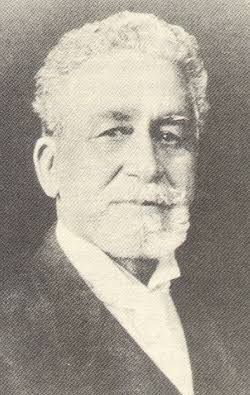
The first Black Harvard graduate (1870), Richard Theodore Greener taught classics and philosophy before becoming a diplomat and dean at Howard Law School. Excelling in elocution and law, he navigated Reconstruction-era barriers, serving in posts from South Carolina to Russia.
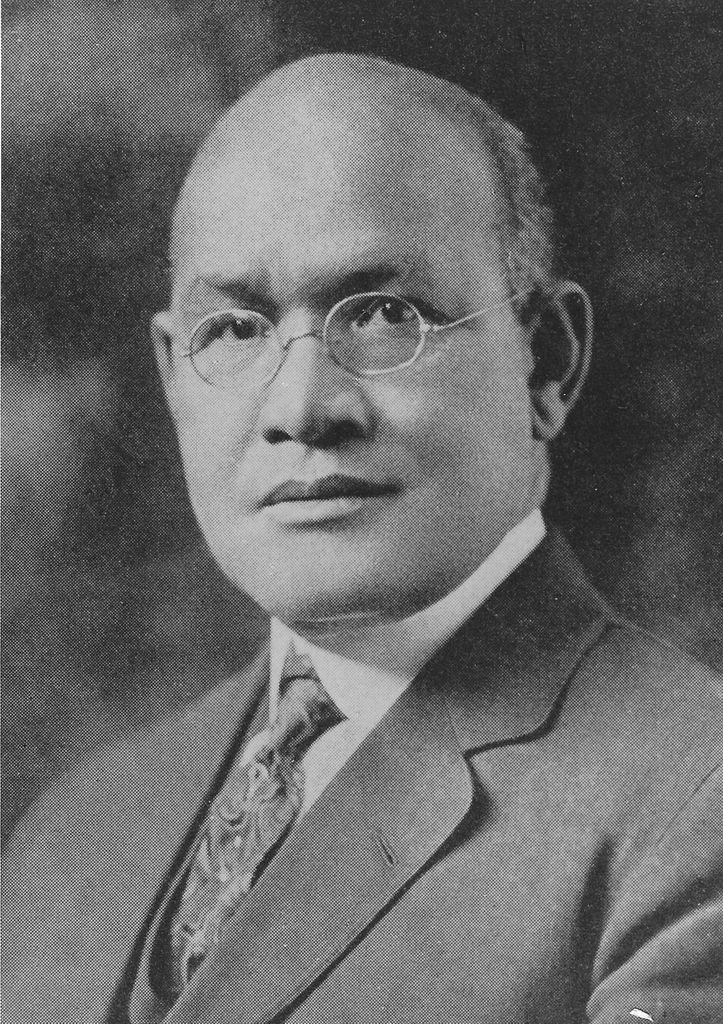
George Morton Lightfoot (1868-1947)
Born in Culpeper, Virginia, George Morton Lightfoot graduated from Williams College (1891) and earned an M.A. from Catholic University (1922) on Roman satire. A longtime Latin professor at Howard University (1912–1939), he founded its Classical Club, edited university publications, and organized Vergil celebrations, contributing to classical pedagogy and civil rights.
Daniel Barclay Williams (1861-1895)
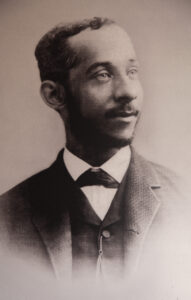
Born in Richmond, Virginia, Daniel Barclay Williams graduated from Richmond Colored High and Normal School before teaching classics at Virginia Normal and Collegiate Institute (now Virginia State University), becoming the state’s first Black classics professor. Authoring books on education and African contributions to civilization, he advocated Black-authored textbooks until his early death.
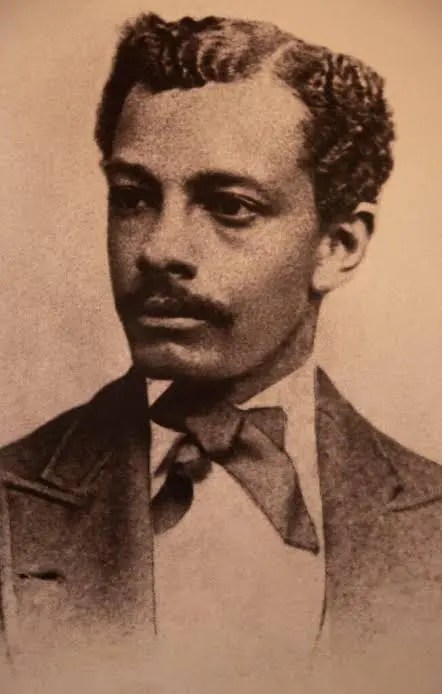
James Monroe Gregory (1849-1915)
Born in Virginia, James Monroe Gregory worked for escaped slaves during the Civil War before becoming Howard University’s first collegiate student and graduate (1872). Professor of Latin and dean there until 1897, he authored a Frederick Douglass biography and later led Bordentown Manual Training School, blending classics with racial uplift and politics.
SHORTLIST OF FOURTEEN BLACK CLASSICISTS FOR QUICK NOTE AND MEMORY
- Wiley Lane (1852-1885)
- Born enslaved in Georgia; self-taught initially despite anti-literacy laws.
- Attended Atlanta University and Augusta Institute (later Morehouse College).
- Became the first professor of Greek at Howard University (1882-1885).
- Known for exceptional linguistic talent; tragically died young of pneumonia.
- Symbolized post-emancipation intellectual aspiration; his planned study in Greece was cut short by death.
- Helen Maria Chesnutt (1880-1969)
- Daughter of novelist Charles W. Chesnutt; born in Cleveland, Ohio.
- Educated at Smith College (A.B. 1902) and Western Reserve University.
- Taught Latin at Cleveland Central High School for over 40 years.
- Authored The Road to Latin (1931), a textbook; inspired student Langston Hughes in Latin studies.
- One of few women in the exhibition; represented Black women’s contributions to classical education.
- William Sanders Scarborough (1852-1926)
- Born enslaved in Macon, Georgia; learned to read secretly.
- Graduated from Atlanta University and Oberlin College.
- Authored First Lessons in Greek (1881), the first Greek textbook by an African American.
- Longtime professor and president at Wilberforce University; first Black member of the Modern Language Association.
- Joined American Philological Association (1882).
- John Wesley Edward Bowen (1855-1933)
- Born in New Orleans; educated at University of New Orleans and Boston University (Ph.D.).
- Taught Greek and Latin; multifaceted scholar in theology and classics.
- Professor at Gammon Theological Seminary; advocated classical education for racial uplift.
- John Wesley Gilbert (1864-1923)
- Born in Georgia; first Black graduate of Paine College.
- M.A. from Brown University; first African American to attend the American School of Classical Studies in Athens (1890-1891).
- Archaeologist and missionary; taught at Paine College.
- Conducted excavations in Greece; bridged American Black scholarship with European classics.
- Frazelia Campbell (1849-1930)
- Born in South Carolina; educated at Avery Normal Institute.
- Taught Latin and Greek at Allen University for decades.
- One of the earliest Black women classicists; focused on education in the South.
- William Henry Crogman (1841-1931)
- Born in the West Indies; orphaned and brought to U.S.
- Graduated from Atlanta University; professor of Greek and Latin there.
- Authored works on education; president of Clark University.
- Reuben Shannon Lovinggood (1864-1916)
- Educated at Yale and Fisk University.
- Taught classics at Wiley University (now Wiley College) and Samuel Huston College.
- Emphasized liberal arts in Black higher education.
- Edward Wilmot Blyden (1832-1912)
- Born in St. Thomas (Danish West Indies); emigrated to Liberia.
- Polyglot classicist; professor and president of Liberia College.
- Pan-Africanist; used classics to argue for African civilization’s grandeur.
- Lewis Baxter Moore (1866-1928)
- First African American to earn Ph.D. from University of Pennsylvania (on Sophocles).
- Taught at Howard University and elsewhere.
- Advanced philological scholarship in Greek tragedy.
- Richard Theodore Greener (1844-1922)
- First Black Harvard graduate (1870).
- Taught classics and philosophy; diplomat.
- Early member of American Philological Association.
- George Morton Lightfoot (1868-1947)
- Taught Greek and Latin at Howard University.
- Contributed to classical pedagogy in HBCUs.
- Daniel Barclay Williams (1861-1895)
- Professor of ancient languages at Virginia Normal and Collegiate Institute.
- Died young; represented emerging Black scholarship in the South.
- James Monroe Gregory (1849-1915)
- Taught at Howard University and Bordentown Manual Training School.
- Advocated classical studies alongside vocational training debates.
 The American Minervan
Leave a comment