Category: Esotericism
-
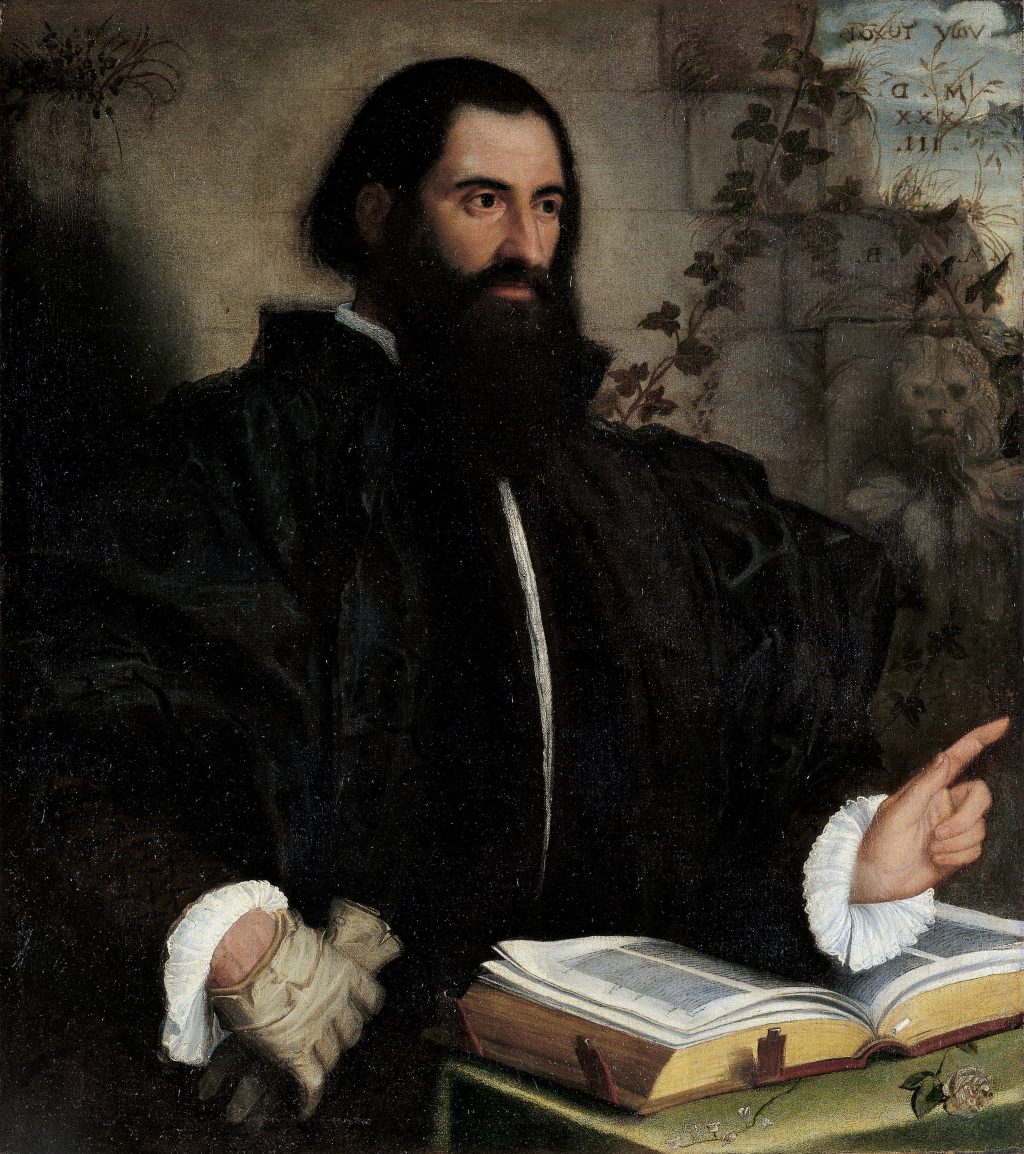
Occultism and the Source of Magical Knowledge
INTRODUCTION OCCULTISM AND THEOLOGY I had explained in Six Points on “Magic”: Theosophy rejects Supernaturalism and Miracle the source of Magic in Occult Philosophy. Theology attributes miracles simply to God, Angels and Saints, through the power of God. The occultist is the explorer intent on discovering the real cause of various hidden phenomena and the…
-
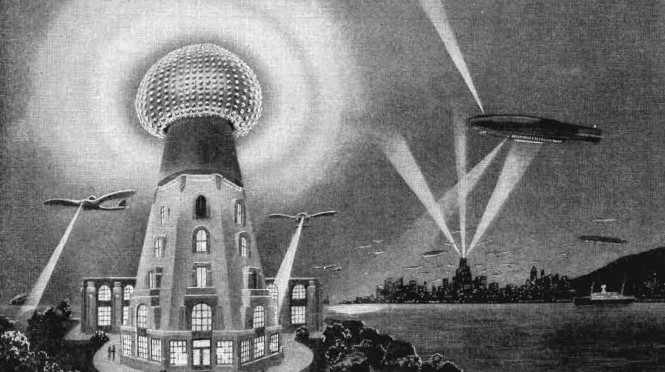
Fohat: The Universal Electric Entity – Danny Wilten
“When an Occultist speaks of Fohat — the energising and guiding intelligence in the Universal Electric or Vital Fluid, — he is laughed at. Withal, as now shown, neither the nature of electricity, nor of Life nor even of Light, are to this day understood. The Occultist sees in the manifestation of every force in Nature, the…
-

Theosophy in Star Wars: The Force, Its Sides and the “Two Paths”
TWO CENTRAL CONCEPTS IN STAR WARS AND THEOSOPHY: THE FORCE AND THE TWO PATHS There is no coincidence to the fact, there are similarities between Star Wars and Theosophy. The former is a fictional universe, but the latter is an actual high philosophical collection of teachings and ethical codes. In no other school of thought…
-

Beelzebub and Baphomet
Beelzebub (Gr. Βεελζεβούλ., Heb. ba’al z’bub). Described as “Monarch of Hell” (The Secret Doctrine, Vol. 2., 389 fn.) in Demonology. This god is defined as “lord of the flies” in the text of the Torah: 2 Kings 1: 2-3, 6, and 16; and in the Christian canon: Matthew 10:24-26, Matthew 12:22-28, Mark 3:21-26, and Luke 11:14-20, where Iesous…
-
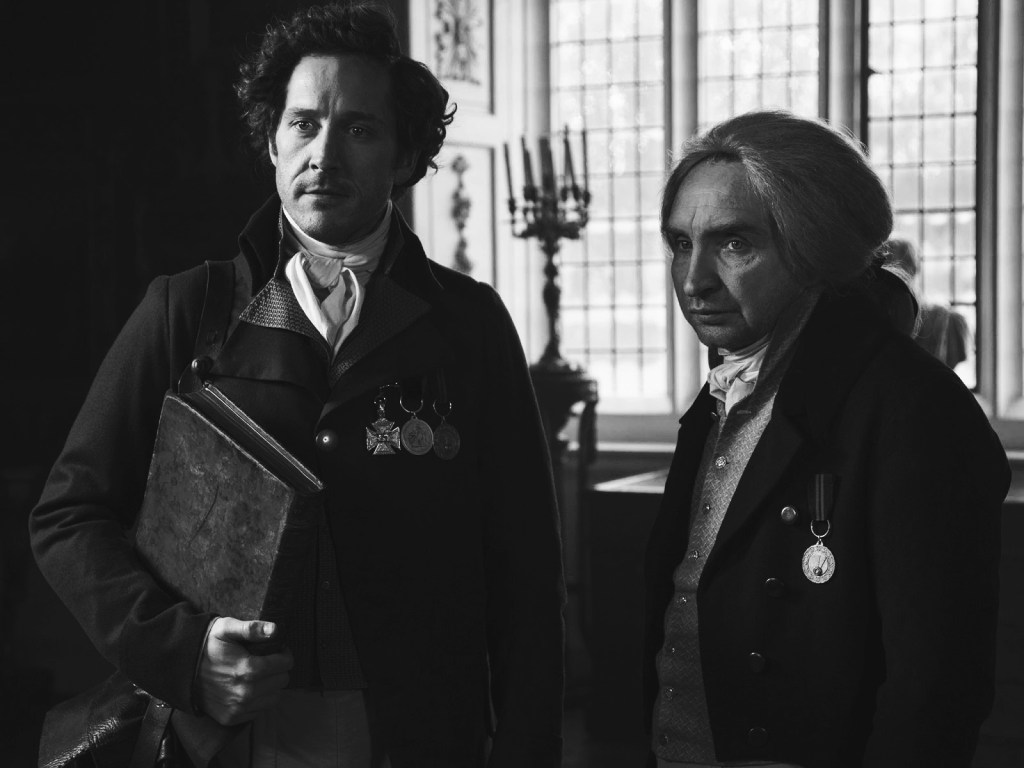
English Magic in Jonathan Strange and Mr. Norrell: If Occultism became Reputable
Jonathan Strange and Mr. Norrell takes place in an alternative timeline in the early nineteenth-century, where magic becomes demonstrated and reputable amongst society. It delves into issues and disputes within the history of Occultism to consider. Despite exaggerating Magic at times, it would still be of interest to those that study ancient, medieval and nineteenth-century occult philosophy…
-

William Quan Judge: “The Occultist is reverently and progressively Gnostic”
“The modern scientist is confessedly and boastfully agnostic. The occultist is reverently and progressively gnostic. Modern science recognizes matter as ‘living’ and ‘dead,’ ‘organic’ and ‘inorganic,’ and ‘Life’ as merely a phenomenon of matter. Occult science recognizes, ‘foremost of all, the postulate that there is no such thing in Nature as inorganic substances or bodies.”…
-

The Lamp of Diogenes: “A Worthy Goal for the Welfare of Mankind”
“In this time, when the games and abuses of secret societies were without end, I wanted to make use of this human weakness for a real and worthy goal, the welfare of mankind (…) I wanted what the heads of the ecclesiastical and secular powers should do and want by virtue of their offices.” JOHANN…
-

The Emanation Theory in Theosophy and its Three Aspects of Evolution
Darwinism only a One-Sided Theory of Evolution This view is taught to be complementary to evolution; but asserts that Darwinian Evolution theory holds to a “one-sided physical evolution.” It teaches, that Man is the product of a triple scheme of evolution: (1) spiritual (monadic);(2) intellectual or psychic;(3) physical. Emanationism and Evolution The Theosophical Glossary describes the…
-
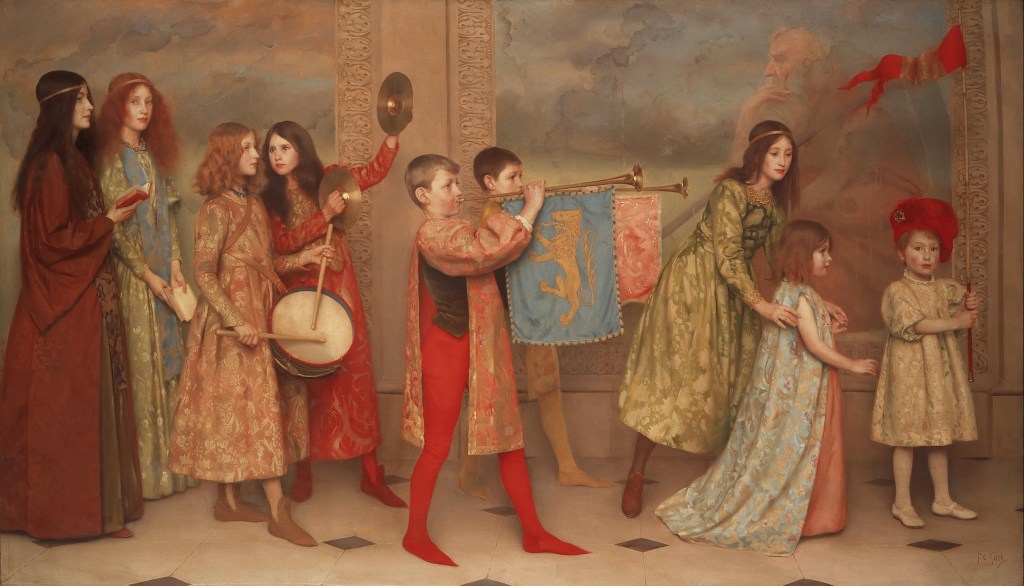
Jean-Louis Siemons: “Theosophy” in Neo-Platonic and Christian Literature
Dr. Jean-Louis Siémons article Theosofia in Neo-Platonic and Christian Literature (2nd to 6th Century A.D.), Theosophical History Centre, London, 1988, pp. 24-26. Dr. Siémons was an Associate of the United Lodge of Theosophists for over fifty years. This is to give us perspective on the 19th century Theosophical Movement’s place within the broader scope of theosophical…
-

Transactions of the Blavatsky Lodge: ‘Though They Are Gods, Still They Are Not To Be Worshiped’
“I say there are many gods, but one God of all these gods, incomprehensible and unknown to all (…) a Power of immeasurable and ineffable Light, whose greatness is held to be incomprehensible, a Tower which the maker of the world does not know.” (Simon Magus, Clemens Recognitiones from the Clementine Literature) “They boast ethereal vigour and…
-

The Secret Doctrine Commentaries on Gods and the Seven Planetary Regents
COMMENTARY ON BLAVATSKY LODGE MEETING, 1888 (EDITED 7/28/2020). I briefly introduced in the topic of sun-gods and fire-gods, the explanation of the ancient so-called “fire” and “sun-worshipers” held by our many and various ancestors; and that in truth, they did not die entirely in vain believing wholly in superstitions. Now, much of the purpose of The…
-

Shepherd of Men: Gem from ‘Poemandres’ and ‘Corinthians’
A man says in the Poemandres: “Upon a time while my mind was meditating on the things that are, my thought was raised to a great height, while the physical senses of my body were held back—just as are the senses of men who are heavy with sleep after a large meal, or from fatigue…
 The American Minervan