Category: Theosophy
-
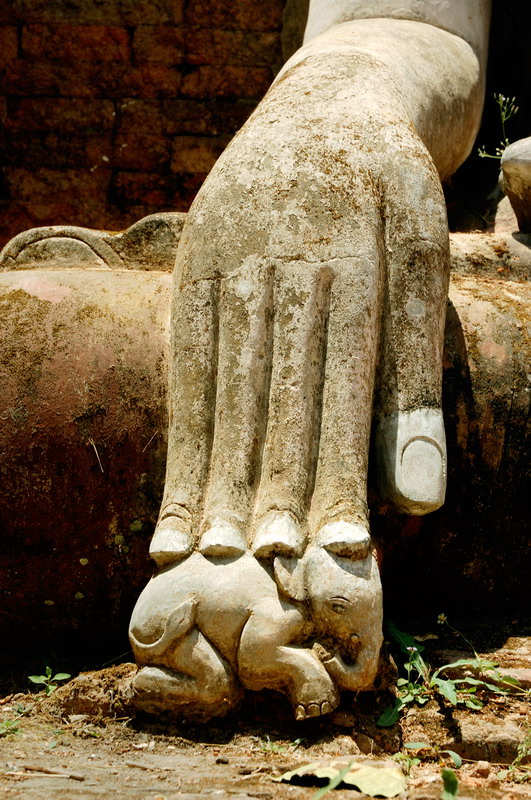
Tirthankaras: Growth in the Wisdom of all Beings
A doctrine (Buddha-nature) in Buddhism teaches that all man possesses the germ of wisdom (Buddha) in them, which is the non-conceptual nature of space (dhātu) and the purity of the nature of mind. The idea, that mankind could become a whole race of Buddhas, or Tīrthaṅkaras (world-conquerors of Illusion), is nothing new in the Wisdom-tradition. It is not the glorification, and crowning…
-

Voltaire on The First Philosophers
“How precise and true is Plato’s expression, how profound and philosophical his remark on the (human) soul or Ego, when he defined it as “a compound of the same and the other.” And yet how little this hint has been understood, since the world took it to mean that the soul was the breath of…
-
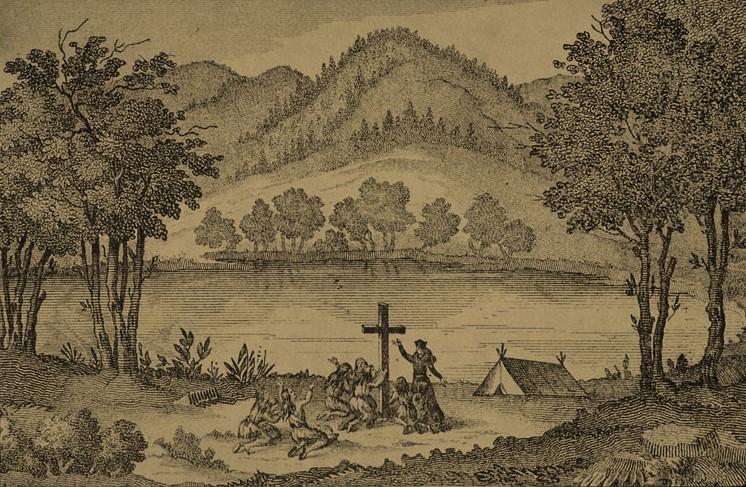
Theosophists on the Society of Jesuits and the Roman Catholic Church
There’s a collation of H.P.B.’s writings on Jesuitry and Masonry in The Christian Scheme: Jesuitry and Masonry in Parts I, II, III, IV, V, VI (via web archive). H.P.B. defends in her writings the ethics and morality in systems ancient, misunderstood, and demonized arguing, that as one theosophist stated — “The Occultists . . . believe the time has come to…
-

The Practical Basis of Spiritual Illumination
“To fully define Theosophy, we must consider it under all its aspects. The interior world has not been hidden from all by impenetrable darkness. By that higher intuition acquired by Theosophia — or God-knowledge, which carried the mind from the world of form into that of formless spirit, man has been sometimes enabled in every age…
-
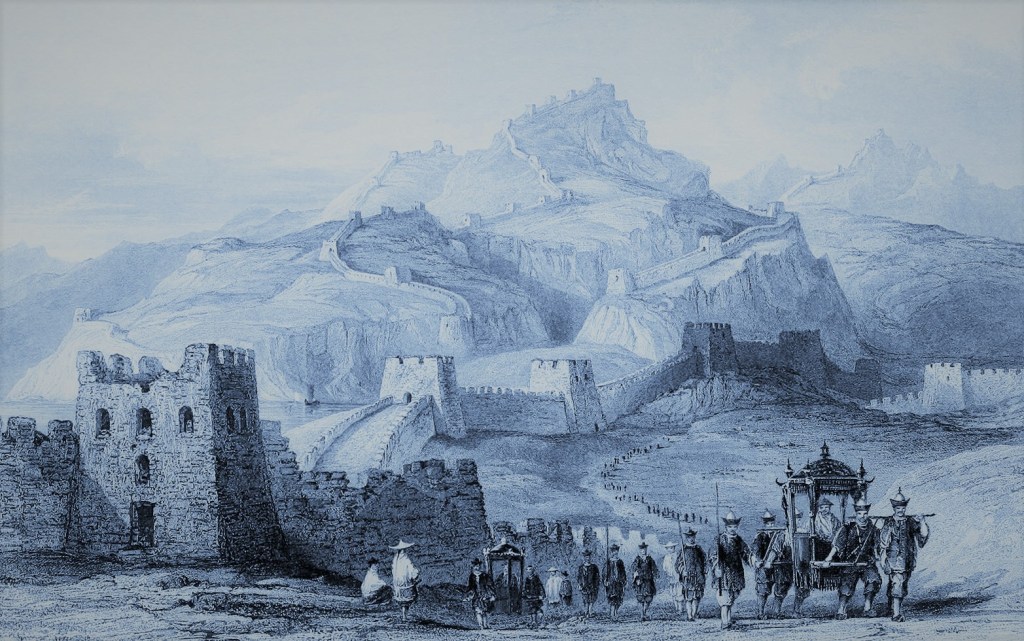
Shénzhìlún, or Zhèngdàoxué: Theosophy in China and How to Translate it in Mandarin?
What would be the translation of Theosophy in Mandarin and what is Xīn Yin? The closest term phonetically to Dzyan is in Ancient (Middle) Chinese dʑjen, the ʑ sounding like zya, but it is also merely from the Sanskrit jñāna. The pronunciation of dʑjen is where we get the word Zen 禪, and Zen comes from Chan 禅, originating…
-
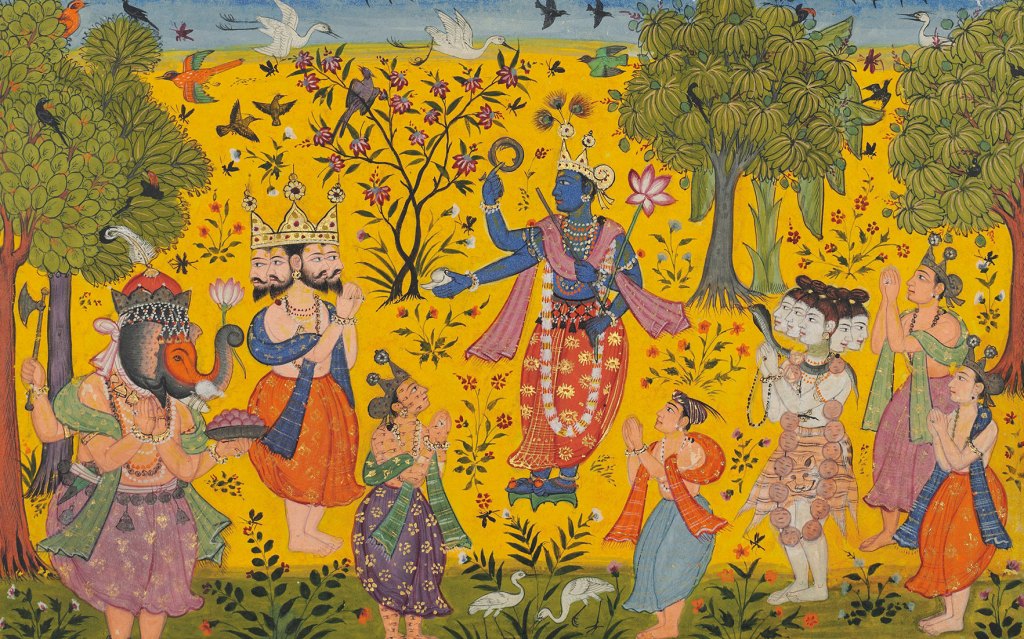
B.P. Wadia on “Theosophy” as a Definite System and Science
What should be made of B.P. Wadia’s statement about Theosophy and in light of other clear statements made in The Mahatma Letters on Theosophy as a definite system, and its modern expression deriving from a real lineage and school; or the fact that, an expositor of the ideas from this school, is responsible with not defiling…
-

Interpretations of Serpents and Dragons in Theosophy and Ancient Mythology
Part I. ON “Human Serpents” and Immortal Sages: ANCIENT INITIATES CALLED SERPENTS MEANING “Behold, I send you forth as sheep in the midst of wolves: be ye therefore wise as serpents, and harmless as doves.” (Matthew x: xvi) ⊕ “(…) the “Serpent” and “Dragon” were the names given to the “Wise Ones,” the initiated adepts…
-
Edith Starr Miller’s “Occult Theocrasy” on Theosophy and the Illuminati
Known as Lady Queensborough, her real name was Edith Starr Miller (1887-1933). Edith Starr Miller, an active member of Fascist leagues, sought it her utmost duty as an anti-Mormon Christian to find every religion other than her Christianity conduits in a ‘Satanic and Luciferian plot’ to overthrow “Judeo-Christian civilization.” Like the conspiracists of today, various groups…
-
Jean-Louis Siemons: “Theosophy” in Neo-Platonic and Christian Literature
Dr. Jean-Louis Siémons article Theosofia in Neo-Platonic and Christian Literature (2nd to 6th Century A.D.), Theosophical History Centre, London, 1988, pp. 24-26. Dr. Siémons was an Associate of the United Lodge of Theosophists for over fifty years. This is to give us perspective on the 19th century Theosophical Movement’s place within the broader scope of theosophical…
-
Blavatsky’s Interpretation of the Tree of Life and Tree of Knowledge of Good and Evil
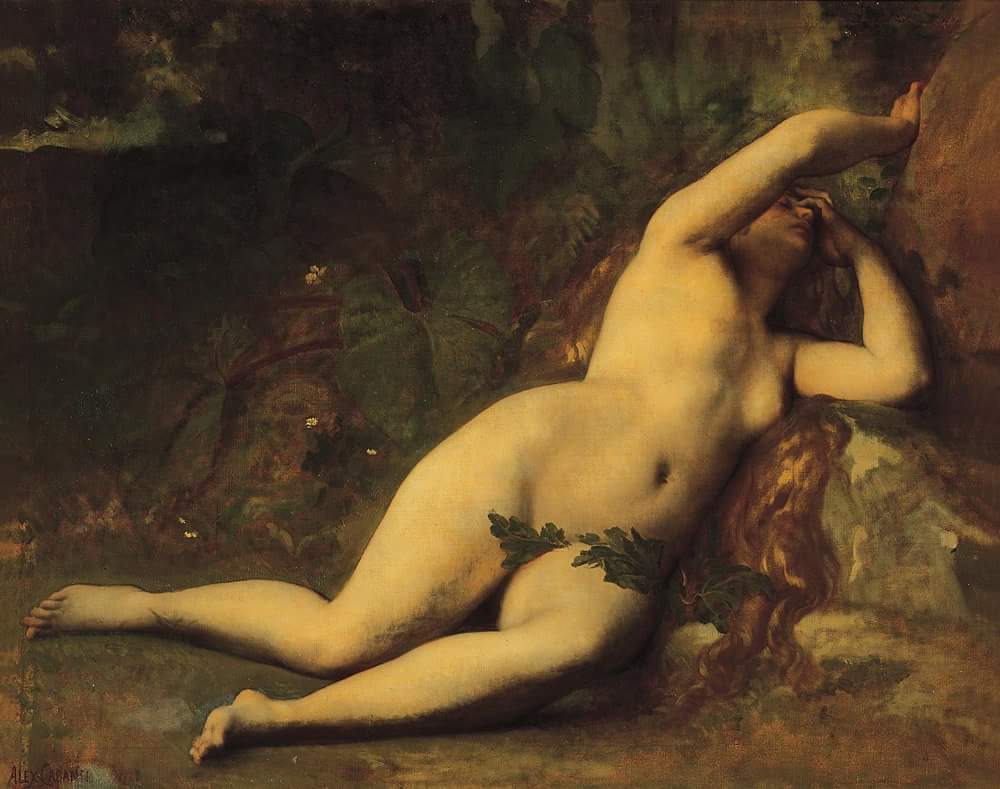
“Were it light alone, inactive and absolute, the human mind could not appreciate nor even realise it (…) According to the views of the Gnostics, these two principles are immutable Light and Shadow, Good and Evil being virtually one and having existed through all eternity, as they will ever continue to exist so long as…
-

Transactions of the Blavatsky Lodge: ‘Though They Are Gods, Still They Are Not To Be Worshiped’
“I say there are many gods, but one God of all these gods, incomprehensible and unknown to all (…) a Power of immeasurable and ineffable Light, whose greatness is held to be incomprehensible, a Tower which the maker of the world does not know.” (Simon Magus, Clemens Recognitiones from the Clementine Literature) “They boast ethereal vigour and…
-

Hermetic Undertone of the Theosophical Society’s Foundations
K.H., The Mahatma Letters, Letter no. 85, December 7, 1883 “(…) As the lady has rightly observed, the Western public should understand the Theosophical Society to be “a Philosophical School constituted on the ancient Hermetic basis” — that public having never heard of the Tibetan, and entertaining very perverted notions of the Esoteric Buddhist System.…
 The American Minervan