Tag: Helena Blavatsky
-
“Your History is Entirely at Sea”: The Legend and Classical Reference to Atlantis
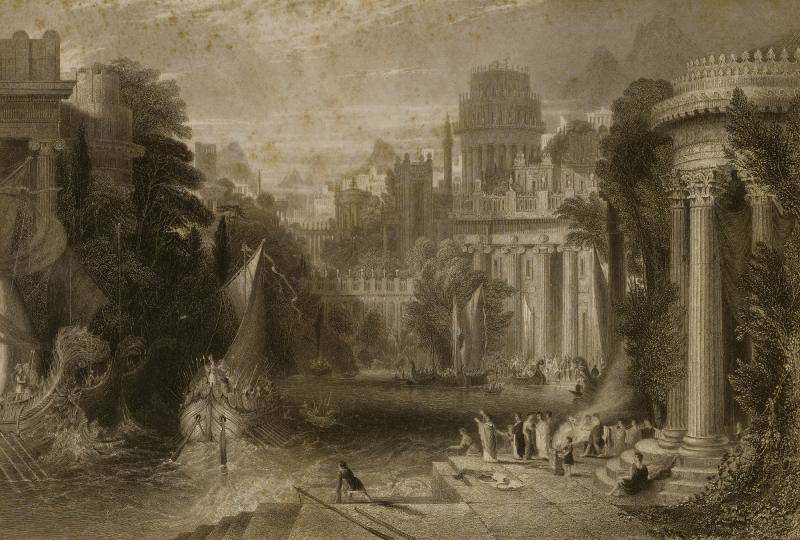
ATLANTIS THE CLASSICAL REFERENCE TO THE MYTH OF ATLANTIS One vital classical source for the Atlantis legendand its remembrance, is from two dialogues writtenby Plato, in Timaeus and Critias.It is described as an island in the Atlantic Ocean.In Timaeus and Critias, Solon, an Athenian andprominent statesman c. 6th c. BCE, described theisland as a country bigger…
-

Adolf Hitler’s Religion and Ideological Influences in National Socialism
National Socialism in Germany arose partially out of a folk movement in Germany connected to Romanticism and politically existed nearly two decades prior to Hitler. In its manifestation as a matured aesthetic and political force under Hitler, we find that by 1934, economists reported that the Germans look on Hitlerism as a Religion with “no…
-

Adepts in America in 1776: William Q. Judge’s Speculations prompt Blavatsky to Question “Illuminati” Theory
ADEPTS IN AMERICA IN 1776 CONTROVERSY William Q. Judge article in the Theosophist (1883) was his own theories. A respondent puts forth the claims of Adepts in America in 1776 to Helena Blavatsky who explains the European and American Revolution was an independent effort, though not from the men she is associated with. First Published…
-

The Construction of Monotheism: Dever, Stavrakopoulou, LePage, Blavatsky and Others
Prof. William G. Dever (Archaeologist, Anthropologist,University of Arizona) says the Torah is a “Minority Report” “To understand Paul, we have to realize that in antiquity, all monotheists were polytheists by our modern definition. Everyone (…) acknowledged the existence of everybody else’s gods. Back then, not only were you born into cultic obligations to the gods of…
-

The Connection of Theosophy to Tibet, Iran and Chaldea
The Connection of the Theosophy of the Trans-Himalayan Adepts to Tibetan Buddhism, Kabbalism, Ancient Iran and Chaldea “No comparison between our real Brahmanical and the Tibetan esoteric doctrines will be possible unless one ascertains the teachings of that so-called “Aryan doctrine,” . . . and fully comprehends the whole range of the ancient Aryan philosophy.” — T.…
-

The Hodgson-Coulomb Case and Other Charges Against Helena Blavatsky
Helena Blavatsky, THE Hodgson-Coulomb Case & OTHER CHARGES: MIRACLES, Plagiarism and Inventing the Adepts What was the Hodgson Report The Obituary: the “Hodgson Report” on Madame Blavatsky 1885-1960 was published in 1963 by Walter A. Carrithers, Jr., which contained numerous documents from the Cambridge-based Society for Psychical Research Library in London. Within the documents, there…
-

The Irony of Apoliticism in the Theosophical Movement
INTRODUCTION: APOLITICISM AND MODERN STATE OF MONARCHISM With the reintroduction of theosophical research in the mainstream comes opportunity to combat misconceptions about the relation between the Theosophical Movement and Politics as explained in Herman de Tollenaere on Influence of Theosophy on Indonesian and South Asian Nationalisms. I am not of the belief, that Theosophists had…
-

Pope Leo XIII’s Encyclical Humanum Genus on Freemasonry
Pope Leo XIII on Freemasonry and the Sacred Congregation on Catholics becoming Masons. Concerning their attitude toward the Freemasons, we may turn to a summation in Pope Leo XIII’s Encyclical on Freemasonry (Humanum Genus). Below is the 1981 document on the Status of Catholics becoming Freemasons in the Church from the Office of the Sacred…
-
Russian Philosopher Vladimir Solovyov and Charles J. Ryan: ‘H.P.B. did not invent the Tibetan Brotherhood and Chelas’
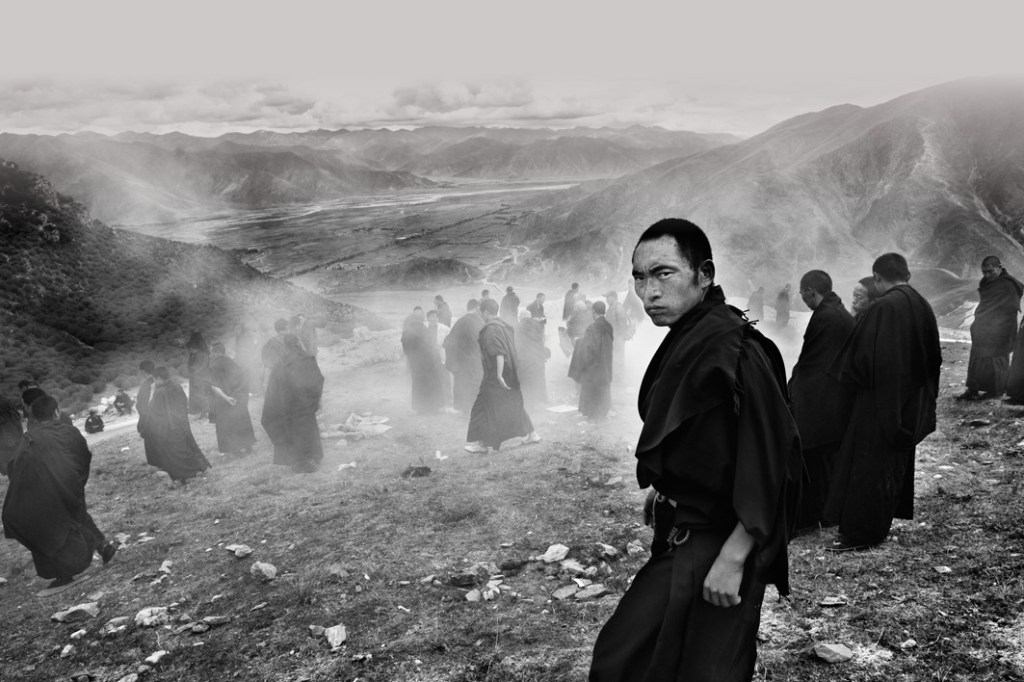
RUSSIAN PHILOSOPHER Vladimir Solovyov and THEOSOPHIST Charles J. Ryan say ‘H.P.B. did not invent the Tibetan Brotherhood and Disciples’ Besides Dr. Wernekke of Germany, the casebook of encounters with the theosophical mahatmas, and Ramalingam Pillai’s insight, Charles J. Ryan defends the existence of Blavatsky’s chiefs, associates, and the brotherhood. One of the greatest Russian philosophers,…
-

Herman de Tollenaere on Influence of Theosophy on Indonesian and South Asian Nationalisms
Herman de Tollenaere on Theosophical History and Politics As Theosophy and Freemasonry: Esoteric Schools within the Theosophical Society shows, there is more to the history of the Theosophical Society than is thought, despite the fact researchers have provided a great detail of Theosophical history. This article is about Herman A.O. de Tollenaere’s diligent research: The Politics of Divine…
-
Blavatsky’s Russian Travel Writings on Racism and Colonialism in India, 3 of 3
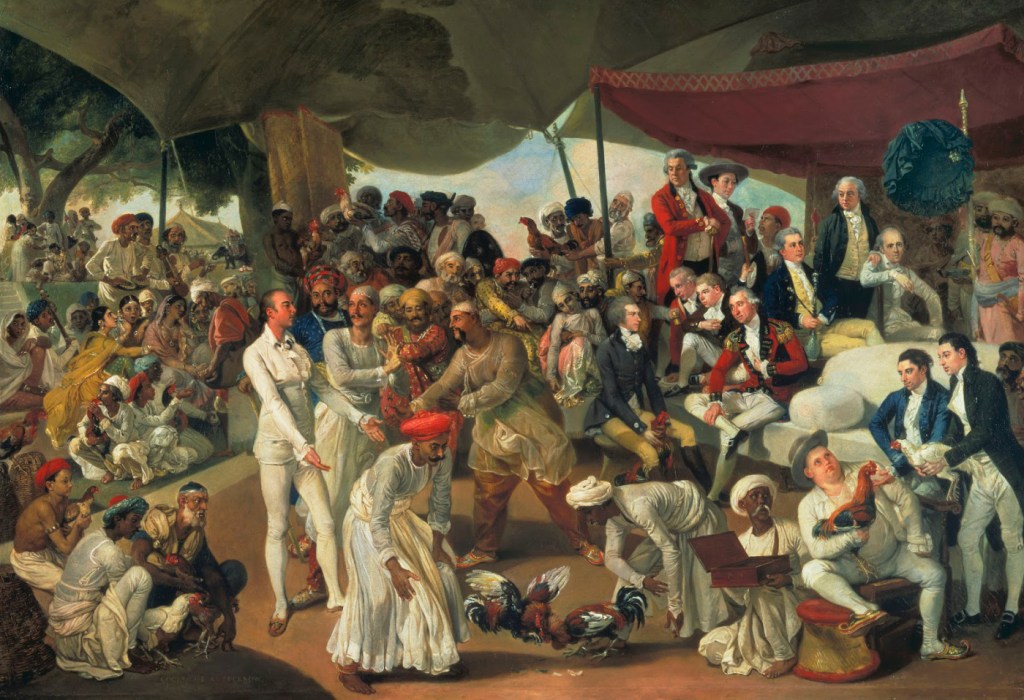
FROM THE DURBAR IN LAHORE, CHAPTER III Having described the English and the characteristics they have developed here, let us look at the natives and see how far they have deserved their harsh fate. Let me here express a thought which may seem paradoxical, though it is supported by irrefutable facts. The Hindus lack and are incapable of…
-
Blavatsky’s Russian Travel Writings on Racism and Colonialism in India, 2 of 3
FROM THE DURBAR IN LAHORE, CHAPTER II H.P. Blavatsky calls the attitudes between the English and Indians, that of two blind men. “In India, wherever two Englishmen meet, complaints about the “fiendish ingratitude of the black devils” are soon heard and wherever two natives encounter each other, complaints about the “dark intentions of the white oppressors” will…
 The American Minervan