Tag: Helena Blavatsky
-
The Characteristics of a True Theosophist | Vincente Hao Chin, Jr.
Vicente Hao Chin, Jr. says, Helena P. Blavatsky, the principal co-founder of the Theosophical Society, distinguished between a member of the Theosophical Society and a true theosophist. “True Theosophists, as true Christians are very, very few” (CW VIII:159). Scattered throughout her writings, she mentions certain characteristics of a true theosophist: a. An understanding of the…
-
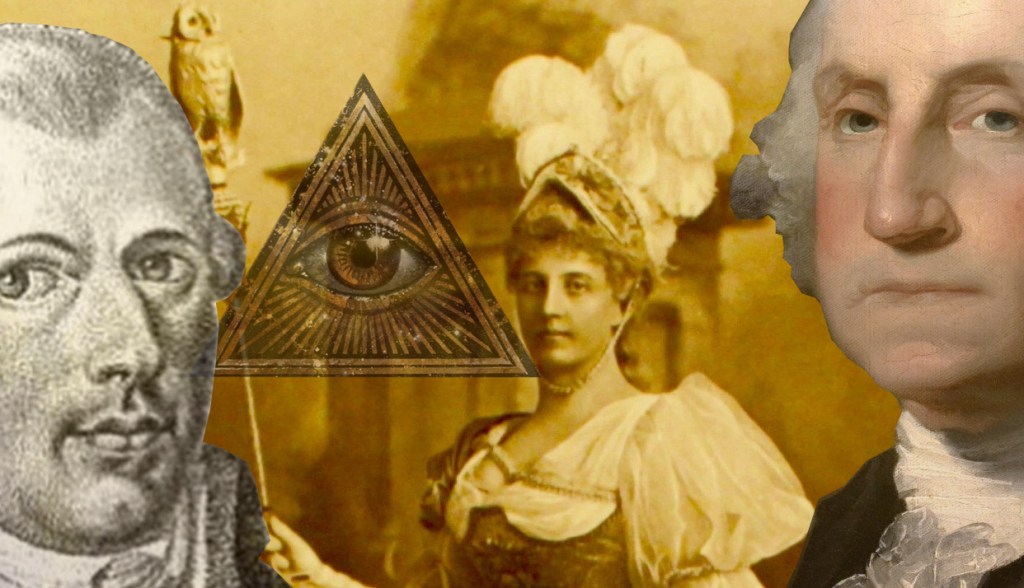
Illuminati History of the Secret School of Wisdom | Josef Wages
Josef Wäges gives the death-blow to Illuminati conspiracies as strings of repeated hearsay devoid of historical fact. He goes into the references made by George Washington, a Freemason, who equated the Illuminati with the Jacobinism of the French Revolution. “Wishaupt seems to be an enthusiastic Philanthropist. He is among those (…) who believe in the indefinite…
-

Theosophy and Freemasonry: Esoteric Schools within the Theosophical Society
HISTORY OF ESOTERIC SCHOOLS WITHIN THE THEOSOPHICAL SOCIETY The Theosophical Society did not become a secret, or occult fraternity, but it is true that the ideal for the Society was not to be a mere intellectual or literary society. The current condition of the Theosophical Society and its divided branches survive, though like a shell.…
-

John Adams on Religion in the United States, Quakers, Jesuitism, and Machiavellianism
The words of John Adams, second President of the United States (1797–1801) and the first Vice President (1789–97) on Religion in the United States, Quakers, Jesuitism, and Machiavellianism. “The substance and essence of Christianity, as I understand it, is eternal and unchangeable, and will bear examination forever, but it has been mixed with extraneous ingredients,…
-
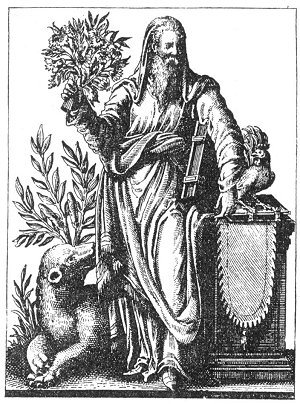
Cosmological Notes on Pythagorean Number Theory, the Vedas and Kabbalah
COSMOLOGICAL NOTES ON THE MATRIX AND THE FIGURE OF THE DECADE The Rig Veda teaches that the one animating principle of all the gods and man is a UNITY. IT is the eternally self-existent one, that lies behind Hiraṇyagarbha (the Womb) and brings forth a Universe. It is from Hiraṇyagarbha that the drama of creation, the first…
-
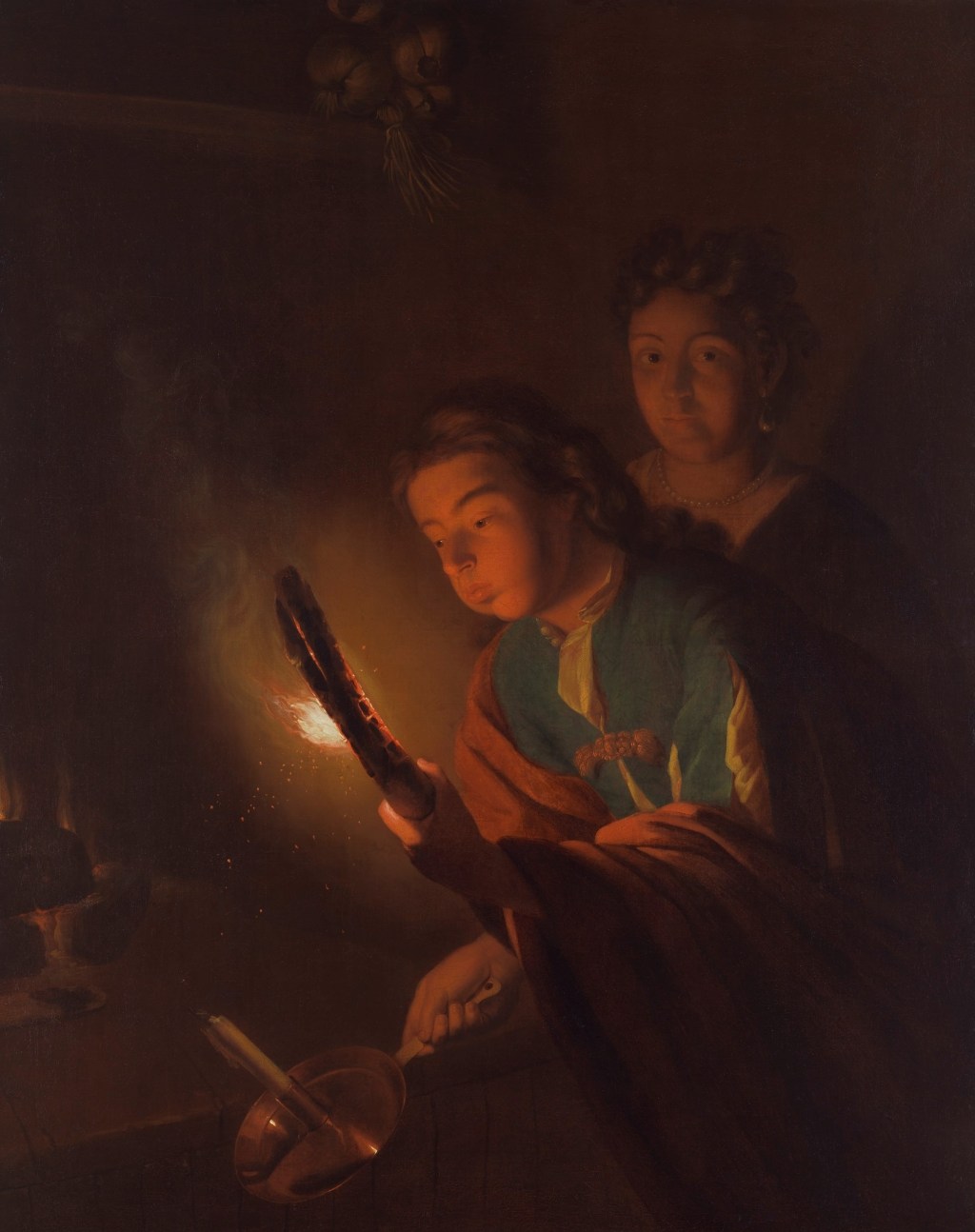
The Ancient Religion of the Sacred Fire: Sun-Gods and their Progeny
THE ANCIENT RELIGION OF FIRE-WORSHIP AND SUN-GODS THE ANCIENTS OF THE EAST ERECTED HIGHPLACES, from the pyramids of Giza through Ramah, Philistine, Shiloh, Beth Shemesh, Moab and to Babylon, sacred to Baal, Adon, Iao, or El, the Sun (a High-God). What is the mystery of the “Sun-God” worshiped by those who held fire as sacred?…
-

Short Lexicon of Titles and Terms used in Theosophical Literature
“THERE are persons whose minds would be incapable of appreciating the intellectual grandeur of the ancients, even in physical science, were they to receive the most complete demonstration of their profound learning and achievements.” (ISIS UNVEILED, 1877, Vol. 1, pg. 461.) “Lo, warrior! now the cross of RedPoints to the grave of the mighty dead;Within it…
-
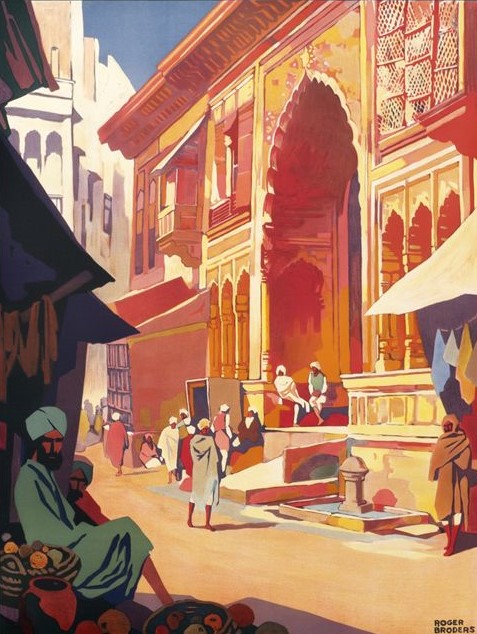
Talbot Mundy’s “The Nine Unknown” Men of Ashoka, the Maurya Clan, and its Connection to Theosophy
Talbot Mundy’s “The Nine Unknown” Secret Society of King Asoka In 1923, Talbot Mundy, of the British police wrote a fiction novel called The Nine Unknown, about a secret society founded by Mauryan Emperor Asoka (c. 268 to 232 BCE) after his conversion to Buddhism. The secret society preserved the ancient science of India. Koot Hoomi and Morya…
-

Before the Conversion: Helena Blavatsky on Shakyamuni Buddha and Buddhism
The nineteenth-century saw its first public Western converts to Buddhism, or this is how it is usually defined in books. Although Helena P. Blavatsky cannot be described as a “Western convert,” H.P.B. and Henry S. Olcott, an American lawyer who worked on U.S. President Lincoln’s assassination case, were the two leading movers of the Theosophical…
-

The Theosophical Movement: A ‘Hijacked Organization’ | Michael Tsarion
While I cannot endorse all of Michael Tsarion’s opinions, like secret ‘Illuminati’-Draconian bloodlines, this talk explains what happened to the Theosophical Movement. As of today, we actually have sufficient information to understand what led to the demise of the Theosophical Society.
-

Rebuttal of Rene Guenon’s Critique of Modern Theosophy
The objective of this article on René Guénon’s critique of Modern Theosophy, which he terms Theosophism is to outline his analysis in Le théosophisme: Histoire d’une pseudo-religion, and not to react to it defensively. Guénon calls the theosophy of the Theosophical Society generally ‘pseudo-Theosophy’ (Theosophism) and ‘pseudo-Christianity.’ He specifically terms Mrs. Annie Besant’s theosophy, ‘pseudo-Christianity’ and ‘neo-Christianity.’ The…
-
Occultism and the Source of Magical Knowledge
INTRODUCTION OCCULTISM AND THEOLOGY I had explained in Six Points on “Magic”: Theosophy rejects Supernaturalism and Miracle the source of Magic in Occult Philosophy. Theology attributes miracles simply to God, Angels and Saints, through the power of God. The occultist is the explorer intent on discovering the real cause of various hidden phenomena and the…
 The American Minervan