Tag: Philosophy
-

The Limitations of Csoma de Koros and Western Tibetan Buddhist Scholars
The limitations of Alexander Csoma de Koros (also see The Hungarian Bodhisattva) and scholars in the nineteenth and twentieth-century. To be complementary to a piece on the sources of the Book of Dzyan and Kiu-te. Does Dr. Alexander Berzin know of “A Few Misconceptions Corrected” — “One of the greatest, and, withal, the most serious objection…
-

What Are Polemicists: In Defense of the Polemicist – Lecture by Jersey Flight
What is a Polemicist? The act of polemics is that of the contrarian, and derives from the Greek. In the Greek it has the meaning of being war-like, or hostile. The act of polemics is a militant reply in the form of reasoned arguments against a proposition regarded as worthy of defense. The polemicist is a man or woman of…
-

John Adams Letter to the Officers of the First Brigade: Constitution, Morality and Religion
John Adams states, ‘the American Constitution is meant for a religious and moral people,’ which is distinctly different from the claim that ‘America is a Christian nation.’ The full context of the oft quoted passage makes this abundantly clear. John Adams abhorred slavery. The conception of a race-based U.S. republic — built on the slavish…
-
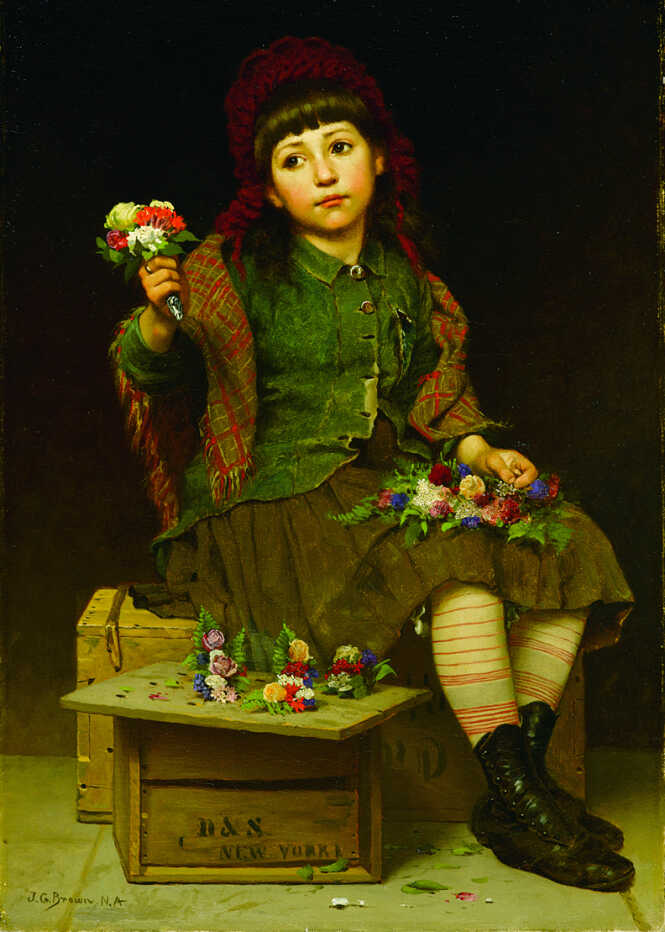
“The Great Master’s Letter”: Theosophy and the Future of Religion
The Maha-chohan letter, or “The Great Master’s Letter” is about the ‘Truth’ of Divine Enlightenment and the real mission and cause of Theosophy. The letter explains the view on the role of Theosophy in aiding a revival or revolution. Chohan means “lord,” “chief,” or “master.” It comes from the word chos (doctrine, law, teaching) and khan (abbot).‘’…
-

Sophia and the Alchemical Wedding in the Rosicrucian Vision
“You are my mind, bring me forth.You are my treasure-house, open for me.You are my fullness, take me to you.” THE PRAYER OF APOSTLE PAUL, NAG HAMMADI LIBRARY
-

Julius Evola on ‘Modern Occultism’ and Theosophists
Evola explains his early influences, and later preference for traditionalism. “On the whole, however, I always preserved my independence, frequently even voicing my lack of regard for modern ‘occultism’. Modern occultist currents certainly played a useful, if limited, role in my case, the role they generally play in the contemporary world: that of providing an…
-
Why You Can Change the World | The School of Life
You’ll absolutely love “Why You Can Change the World.”
-

“Time destroys the speculations of man” – William James, 1907
“I fully expect to see the pragmatist view of truth run through the classic stages of a theory’s career. First, you know, a new theory is attacked as absurd; then it is admitted to be true, but obvious and insignificant; finally it is seen to be so important that its adversaries claim that they themselves…
-

American Founders inspired by Classical Greece and Rome
A number of the American founders were classicists, and were trained in the classics in their colonial education, and American Romanità demonstrates how Classicism was integral to education in the U.S., and not simply an “elite education.” It should also be kept in mind, that the first U.S. president, George Washington was honored on Masonic…
-

Helena P. Blavatsky’s “Bird’s Eye View” Predicted the Fate of Theosophists
“Night before last I was shown a bird’s eye view of the theosophical societies. I saw a few earnest reliable theosophists in a death struggle with the world in general and with other – nominal and ambitious – theosophists. The former are greater in number than you may think, and they prevailed – as you…
-
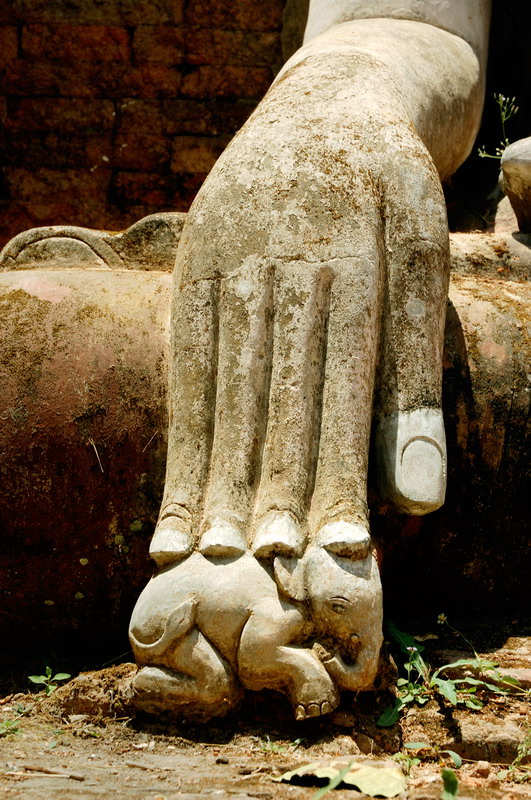
Tirthankaras: Growth in the Wisdom of all Beings
A doctrine (Buddha-nature) in Buddhism teaches that all man possesses the germ of wisdom (Buddha) in them, which is the non-conceptual nature of space (dhātu) and the purity of the nature of mind. The idea, that mankind could become a whole race of Buddhas, or Tīrthaṅkaras (world-conquerors of Illusion), is nothing new in the Wisdom-tradition. It is not the glorification, and crowning…
 The American Minervan