Skip to content
The American Minervan
Search
About
Religion Approach
Contact
Log in
Archives
Select Month
March 2026
February 2026
January 2026
December 2025
November 2025
October 2025
September 2025
August 2025
July 2025
June 2025
May 2025
April 2025
March 2025
February 2025
January 2025
December 2024
November 2024
August 2024
May 2024
March 2024
December 2023
November 2023
October 2023
November 2022
August 2022
June 2022
February 2022
August 2021
July 2021
June 2021
May 2021
April 2021
March 2021
January 2021
December 2020
October 2020
September 2020
August 2020
July 2020
June 2020
April 2020
February 2020
January 2020
December 2019
November 2019
October 2019
September 2019
August 2019
July 2019
May 2019
April 2019
March 2019
February 2019
January 2019
December 2018
November 2018
October 2018
September 2018
August 2018
July 2018
June 2018
May 2018
April 2018
March 2018
February 2018
January 2018
December 2017
November 2017
October 2017
September 2017
August 2017
July 2017
June 2017
May 2017
April 2017
March 2017
February 2017
January 2017
December 2016
November 2016
October 2016
September 2016
August 2016
July 2016
June 2016
May 2016
April 2016
March 2016
February 2016
January 2016
December 2015
October 2015
August 2015
June 2015
Tag:
Theosophical Movement
POPULAR POSTS
Theosophy versus Evola's “Ultra-Fascism” on Race: Julius Evola's view of Black People in “Negrified America”
The Hammer of Creation in the Mysteries: Thor, Swastika, and Fohat
Blavatsky on Masonry, Myths of Political Conspiracy, Socialism and her Social Teachings, Part II
Carl Orff: Circa Mea Pectora
The Lies in Jiang Xueqin’s Illuminati Theory on Breaking Points
The Irony of Apoliticism in the Theosophical Movement
Witnesses of Morya, the Identity of Koot Hoomi and Connections to Tibet and the Panchen Lama
Georges Méautis: “Theosophy and Theosophism” Dissects Rene Guenon’s Critique, 1922
H.P. Blavatsky involvement in Italian Politics with Garibaldi and Mazzini, and the Carbonari’s Role in the Republican Revolutions
Adepts in America in 1776: William Q. Judge’s Speculations prompt Blavatsky to Question “Illuminati” Theory
March 12, 2026
Rule of Secrecy, and the Formation of Federations of Adepts in the Nineteenth-Century and After: Kayvan, Theosophy and Ilme Kṣnum
January 15, 2026
Six Topics: Apoliticism, Russian-Ukraine War, Artificial Intelligence and Rebellious Writing Styles
December 5, 2025
William Q. Judge on the Decline of Modern India
November 29, 2025
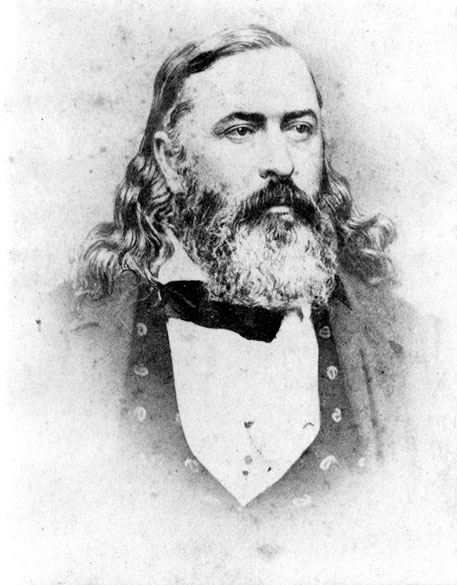
The Conflicted Albert Pike, and a Wounded Union: Early Years 1830s to 1880s
October 21, 2025
Blavatsky and Mazzini’s Vision of Progress
September 17, 2025
Guenon, Theosophy and Perennialism: Decline of Guidance and Wisdom
September 15, 2025
Memorial Service and Prayer Vigil for Charlie Kirk turn into Political Attacks and War Calls
November 28, 2023
The Mahatma Letters on Plato, Revolution and Ideas ruling the World
September 1, 2020
Case of the Masters, their Disciples and Sponsors behind the Theosophical Movement
June 19, 2018
‘The snub-nosed Saxons’ [Borderland Magazine, 1894]
May 18, 2018
Adepts in America in 1776: William Q. Judge’s Speculations prompt Blavatsky to Question “Illuminati” Theory
May 4, 2018
Matt Dillahunty to Jordan Peterson: “Science can’t confirm the supernatural”
Subscribe
Subscribed
The American Minervan
Join 96 other subscribers
Sign me up
Already have a WordPress.com account?
Log in now.
The American Minervan
Subscribe
Subscribed
Sign up
Log in
Report this content
View site in Reader
Manage subscriptions
Collapse this bar



![‘The snub-nosed Saxons’ [Borderland Magazine, 1894]](https://theamericanminvra.com/wp-content/uploads/2018/06/franz-xaver-winterhalter-princess.jpg)

 The American Minervan