CONSERVATIVE CATHOLIC REBUTTAL AGAINST RISORGIMENTO AND REPUBLICAN REVOLUTIONS
Catholic intransigents (opposed to unification and loss of Papal States) constructed the “Judeo-Masonic” narrative in the nineteenth-century. Nazis and late Fascists revived it after 1938 to justify persecution and align with Hitler, ignoring decades of Jewish loyalty. (continued from Jewish contribution to the Birth of Italy (1815-1870), Pre-Herzl Jewish Nationalism and Fascist Betrayal).
The Judeo-Masonic conspiracy claims are not history. They allege a secret Jewish-led cabal (often through Freemasonry) orchestrated the Risorgimento (Italian unification) and early Fascism to destroy Christian monarchies, the Papacy, and traditional order for global Jewish domination. I explained in my Guide to Italian Republicanism in Risorgimento Era, Part 7, how Fascism betrayed Italy’s Risorgimento Republican legacy based on this very belief, leading Mussolini to betray many groups and aid the National Socialists in persecuting and policing occultists and revolutionaries, even assassinating the Mazzinian heirs that could expose or oppose him, while co-opting their rhetoric.
“My antipathy for that disgusting form of secret association goes back to my youth. Long before, at the Socialist congress of Ancona in 1914, I had presented to my comrades the dilemma: Socialists or Masons?”
BENITO MUSSOLINI
Right. . . .
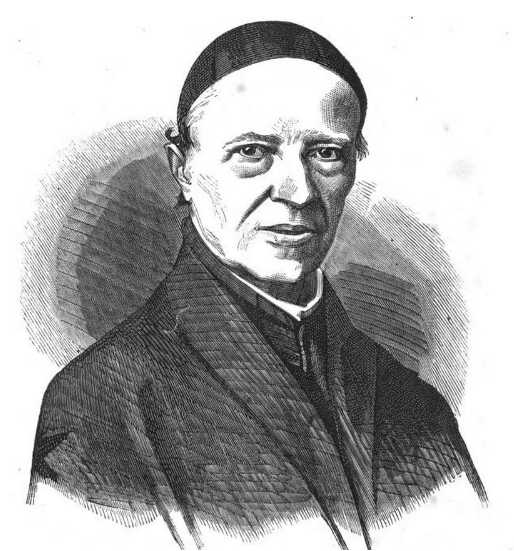
These theories as presented before, originated in post-French Revolution Catholic reaction (e.g., Augustin Barruel’s writings, the forged Protocols of the Elders of Zion), and were amplified by nineteenth-century Jesuit polemicists like Antonio Bresciani.
Bresciani depicted the Risorgimento as a “satanic” Masonic-Jewish plot and was later adopted and adapted by Nazis and late Fascists. The historical Jewish involvement in both the movements of Italian Unification and Fascism, documented through memoirs, military records, parliamentary debates, and contemporary newspapers is real, but proves exactly the opposite of conspiracy.
This is the history of patriotic assimilation by a tiny, long-oppressed minority of an extremely small fraction of the population of Italian Jews in the nineteenth to twentieth centuries seeking civil equality in a secular nation-state. Mazzini understood this in his defense of universal civil rights and opposition to religious discrimination. In this Italy as a secular republic, the state should not impose religious identity or restrict rights based on faith. Interests aligned, because unification promised equal citizenship, the Papal States imposed legal disabilities on Jews and liberal nationalism offered social mobility.
Jewish role in the Risorgimento was open patriotism, as Italian Jews lived under varying restrictions (ghettos, badges, forced sermons) especially in the Papal States and absolutist regimes. Emancipation was explicitly tied to liberal-nationalist unification. They supported Mazzini’s Young Italy, Garibaldi’s Redshirts, and Piedmontese forces because this promised full citizenship, not because of a “Judeo-Masonic” master plan.
Taking the examples of funding and participation Sam Aronow provides, we learn that Sara Levi Nathan (Jewish widow) hosted Mazzini in London and funded the Expedition of the Thousand, which was Garibaldi’s 1860 campaign that overthrew the Bourbons. Jewish families like the Todros of Turin financed Mazzinian incursions. Hundreds of Jews fought in Garibaldi’s militias and 1848-49 revolutions, and Jewish officers like Giacomo Segre gave the order to shell papal forces in 1870. Isacco Artom, who was Cavour’s secretary, and others held public roles.
Freemasonry’s actual role in the Risorgimento was limited as some Masons, including non-Jews like Garibaldi and Mazzini, supported unification as a liberal, anticlerical network. However, unification succeeded through broad forces such as through Piedmontese diplomacy (Cavour), popular revolts, and international realpolitik, not a purely “Jewish-Masonic cabal.” Conservative Catholic historiography as noted from Bresciani’s novels (L’Ebreo di Verona, Della Repubblica Romana, Lionello) as a retort to the Risorgimento, construct a very specific kind of conspiratorial narrative structure to explain what he and other intransigent Catholics saw as the Church’s defeat by modernity.
He was basically trying to construct conspiratorial plots to explain the Church’s loss of cultural dominance.
Bresciani’s view was that secret societies, Freemasons, Illuminati, Giovine Italia, various “satanic forces” were involved in a coordinated assault on Catholic civilization (see Professor John Dickie’s paper, Antonio Bresciani and the Sects: Conspiracy Myths in an Intransigent Catholic Response to the Risorgimento).
People who are not even Catholic adopt these conspiracy plot narratives. Mussolini and the Fascists adopted and adapted a conspiratorial narrative that had been building since the eighteenth-century. A tiny group’s visible, enthusiastic support for national liberation, after centuries of exclusion, is evidence of integration, not domination. No documents show Jews directing Freemasons or Mazzini and Garibaldi as puppets. The conspiracy and those who adopt these theories ignore that most Risorgimento leaders were Catholic or secular Italians pursuing Italian interests.
Conspiracies are the weapons of despotic tyrants and have been wielded well by them, and they do not spread without consequence or effects upon the world. Now, the people wield the weapons of the despots and tyrants and confound themselves.
The so‑called Judeo‑Masonic‑Illuminati conspiracy unravels under close examination because it conflicts with well‑documented evidence of Jewish and Masonic integration into nineteenth‑century Italian political life. Rather than revealing a hidden cabal that engineered revolutions, the archival record shows a small, long‑oppressed minority seeking civic equality and joining broader liberal and republican movements. By insisting on a conspiratorial frame, these myths steer public opinion toward the worldview of conservative monarchists and reactionary traditionalists. If the public were better informed about esoteric practices and the historical use of symbols, they would recognize how occult imagery has been deliberately misused, mocked, and inverted by the originators and propagators of the myth to demonize anti‑absolutist revolutions and to justify a return to clerical and monarchical authority (Collaboration with devils: The Catholic Church and totalitarian regimes in the 1930s).
It will also demonstrate why so many of the people of the West are in conflict within themselves (Alan Watts on American Spiritual Settler Movements: ‘Why America is a Republic and not a Monarchy’), and what underlies the modern rise of the “Dissident Right” who manipulate this inner conflict, while also perpetuating the same tactics (story‑patterns, anxieties, and scapegoating mechanisms) developed and built upon (e.g., the revolutions allied with ‘satanic forces’) since the eighteen-century, though being deeply rooted in Medieval Christendom. Protestants in the United States operates upon the same polemics, building the sophistication of their theories through confirmation bias, and misusing sources in the most obvious misleading manner.
Such reactionary anti‑Masonic propaganda like that of Antonio Bresciani was produced by particular networks within the Church. For centuries popes condemned Freemasonry on theological grounds, treating it as a doctrinal incompatibility rather than a political conspiracy to be apologized for (see Vatican doctrine office reaffirms that Catholics cannot be Freemasons). That line of teaching has been repeatedly reaffirmed into the twenty-first century. Much anti‑Masonic and antisemitic propaganda came from intransigent Catholic journals, Jesuit writers, and local clergy in the nineteenth-century, and patterns persist among contemporary conservative Catholics. Some U.S. conservative Catholics seek a pope who will restore pre‑Vatican II emphases and resist perceived liberalizing trends; that impulse can revive older tropes about secret enemies and cultural decline. The reason the pattern continues, is because reactionary narratives recycle the nineteenth‑century motifs, because they are rhetorically effective in portraying modern reforms as existential threats.
The case of the Vatican’s Response to the Theosophical Society in the Documents of the Holy Office (1915-1919) by Francesco Baroni show how the Vatican interpreted Theosophy, Spiritualism and Occultism, and attempted to govern new forms of transnational religiosity that challenged established modes of ecclesiastical authority. It contributed to the development of the anti-modernist polemics of the early twentieth century.
When citizens accept the Judeo‑Masonic narrative, they are nudged toward conservative‑monarchist, authoritarian and clerical solutions that promise order and restoration. Fascist and late nineteenth‑century Catholic polemicists recycled these themes to delegitimize republicanism and to justify repression. Understanding the genealogy of these claims clarifies why such myths have been attractive to movements that seek to roll back liberal reforms. Education about this history requires a combination of primary historical sources, clear explanations of Freemasonry and esoteric traditions, and critical media literacy, which would allow people to distinguish between documented political alliances and manufactured conspiracies. Such an informed public would spot rhetorical inversion, demand evidence for extraordinary claims, and resist the pattern of scapegoating that masks political agendas.
 The American Minervan
Leave a comment